
Plans for a major international conference in New York aimed at securing the recognition of a Palestinian state have been scaled back, with diplomats confirming the event will now focus on outlining steps toward future recognition, rather than securing a joint declaration. The conference, co-hosted by France and Saudi Arabia, is set to take place between 17 and 20 June.
Initially envisioned as a breakthrough moment involving key Western powers, including the UK and France, the conference will instead aim to establish working groups on core issues such as a Gaza ceasefire, Palestinian Authority reform, economic reconstruction, and long-term peace. French officials have reassured Israel that the event will not serve as the platform for immediate state recognition.
Shift From Recognition to Roadmap
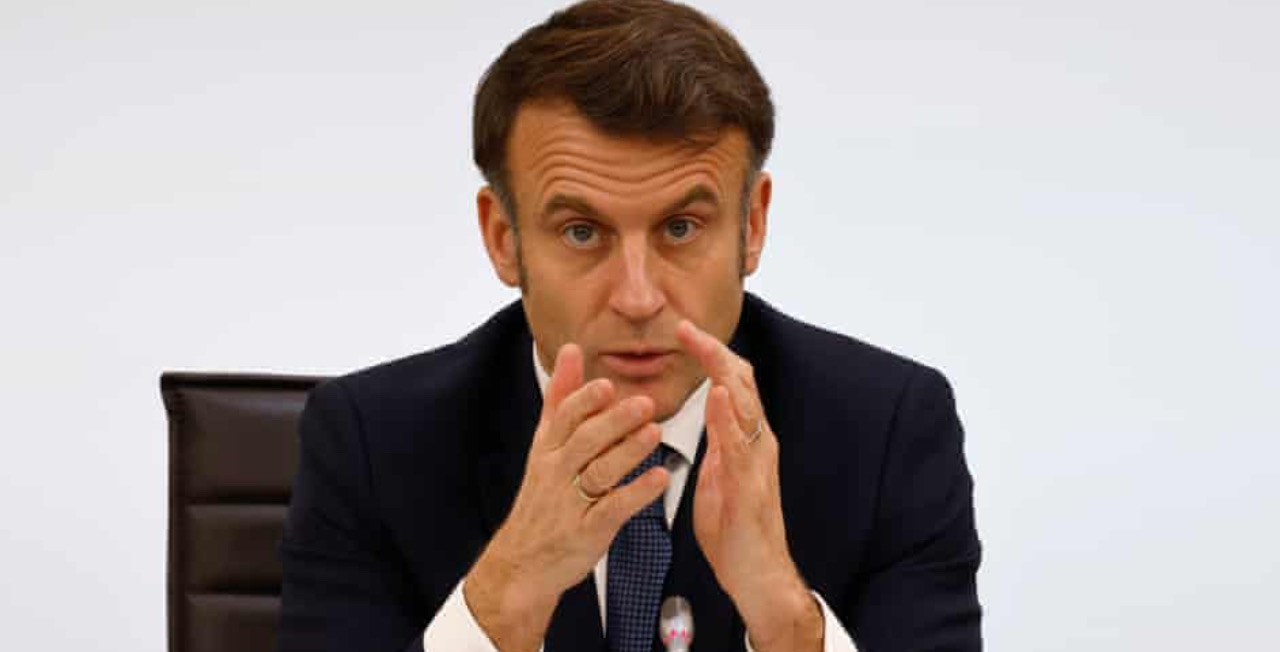
French President Emmanuel Macron, a key backer of the initiative, previously described Palestinian state recognition as a “moral duty and political requirement.” However, the recognition process is now expected to evolve gradually, depending on preconditions such as the exclusion of Hamas from Gaza’s future governance and the establishment of a credible Palestinian governing authority.
France and Saudi Arabia have created eight thematic working groups to prepare conditions for a viable two-state solution. These include discussions on international law, economic development, reconstruction, and “Peace Day” – a diplomatic narrative-building exercise highlighting mutual benefits for Israelis and Palestinians.
The UK is leading the humanitarian group and is also weighing the possibility of recognition, amid growing political pressure at home. Foreign Secretary David Lammy and Middle East Minister Hamish Falconer have both indicated a shift in UK policy thinking, citing hardening Israeli rhetoric against a two-state solution.
International Pressure Builds for a Two-State Path
While Israel and the United States have attended preliminary meetings, they have not actively participated, raising speculation about a possible boycott. Meanwhile, Israel continues to pursue settlement expansion in the West Bank, recently approving plans for 22 new settlements – the largest expansion in decades.
Israeli Defence Minister Yoav Gallant described the move as a “strategic step” to prevent Palestinian statehood. France’s efforts have been sharply criticised by Israeli officials, who argue that recognition could reward extremism. However, many European governments increasingly view recognition as a necessary lever to influence Israeli policy.
Countries such as Ireland, Spain, and Norway formally recognised Palestine in 2023, and pressure is growing on the UK to follow suit. Within Britain’s Conservative ranks, several senior MPs have publicly backed early recognition, diverging from the traditional stance of delaying such recognition until the conclusion of peace talks.
Macron’s Civil Society Push and Saudi Resistance
Ahead of the official conference, Macron will also host a civil society meeting in Paris under the Paris Peace Forum umbrella. The goal is to bolster support from non-state actors and highlight the benefits of a negotiated peace. Yet, deep divisions remain. Saudi Arabia, despite co-sponsoring the event, remains firmly opposed to normalising ties with Israel. Crown Prince Mohammed bin Salman continues to accuse Israel of genocide, a sentiment shared by much of Saudi public opinion.
Anne-Claire Legendre, Macron’s Middle East adviser, said the goal is for the conference to be a “transformative milestone” that shifts global efforts from symbolic statements to real action toward a two-state solution. “We must move from words to deeds,” she said following talks with Israeli and Palestinian officials.
While recognition of a Palestinian state is not expected to be a direct outcome of this month’s conference, diplomats emphasize it remains firmly “on the table” as a bilateral decision between states — one that could gain momentum if working group outcomes align in the coming months