
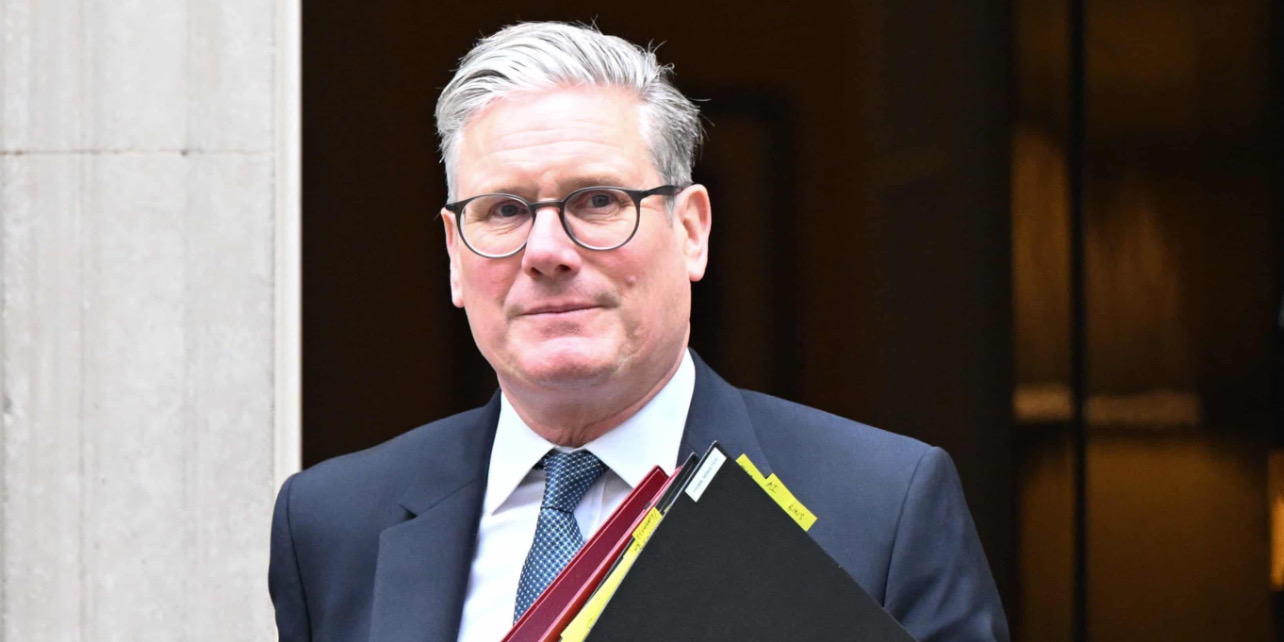
Labour is under increasing pressure from its own Muslim MPs, councillors and mayors as frustration deepens over Keir Starmer’s handling of the Gaza crisis, according to a new survey by the Labour Muslim Network (LMN).
The survey, the first of its kind, reveals overwhelming discontent among Labour’s Muslim representatives. Of those surveyed, 77% believe the UK government should halt all arms exports to Israel, while 84% support imposing sanctions on the Israeli government. A striking 97% also called for the immediate recognition of the state of Palestine.
Conducted online between 2 April and 16 May, the survey gathered responses from 221 out of 477 eligible Labour Muslim elected officials. The findings highlight the political challenges Labour faces as it attempts to manage its stance on the war in Gaza and the worsening humanitarian crisis in the region.
In Parliament this week, Starmer acknowledged the escalating crisis in Gaza and promised to consider further action. The government has already paused free trade negotiations with Israel and imposed sanctions on Israeli settlers in the West Bank. However, many Labour figures argue this does not go far enough.
There are also mounting calls for the UK to formally recognise Palestine alongside France, following similar moves by Spain, Ireland and Norway. Recognition from Britain, given its historical role in the region, would carry considerable diplomatic weight.
Although Labour’s manifesto supports recognising a Palestinian state as part of a two-state solution, Muslim members of the party remain unconvinced by current efforts. Ministers are also weighing further sanctions against far-right Israeli ministers Bezalel Smotrich and Itamar Ben-Gvir.
Another pressure point is arms exports to Israel. While the UK accounts for less than 1% of Israel’s defence imports, the government has suspended 30 out of 350 export licences. Legal challenges have been launched over whether it is lawful to continue supplying parts that might be used in Gaza, particularly in relation to F-35 components.
In the Commons, Labour’s own MPs have joined calls for more decisive action. Hamish Falconer, the minister for the Middle East, described Israel’s handling of aid access in Gaza as inhumane, saying it placed desperate civilians at risk and called for an independent investigation into repeated incidents involving civilian casualties.
Earlier this year, Foreign Secretary David Lammy stated that Israel had breached international law by blocking humanitarian aid—but this was quickly contradicted by Downing Street.
Labour’s electoral performance in areas with large Muslim populations was notably affected by the party’s Gaza stance. In the last general election, pro-Gaza independents unseated Labour candidates in constituencies such as Dewsbury and Batley, Blackburn, Birmingham Perry Barr and Leicester South. Several other Labour strongholds were also narrowly contested.
The LMN survey also revealed internal dissatisfaction within the party. A total of 66% of Muslim Labour representatives said they did not feel they were treated equally within the party. Over 50% believed Labour does not take Islamophobia seriously, and 33% reported direct experiences of Islamophobia.
LMN described the survey as a clear call to action. A spokesperson said the party must recommit to equality and Muslim representation if it hopes to remain a credible force for social justice and anti-racism.
In response, a Labour spokesperson highlighted the party’s diversity, noting the historic appointments of Shabana Mahmood as the UK’s first Muslim Lord Chancellor and Sadiq Khan as London’s first Muslim mayor. They added that all discrimination complaints, including those relating to Islamophobia, are handled through Labour’s independent complaints process.