
Top media leaders at the BBC and Sky have warned the UK government that proposed AI copyright exemptions could devastate the £125 billion creative industry, as ministers face growing backlash over artificial intelligence legislation.
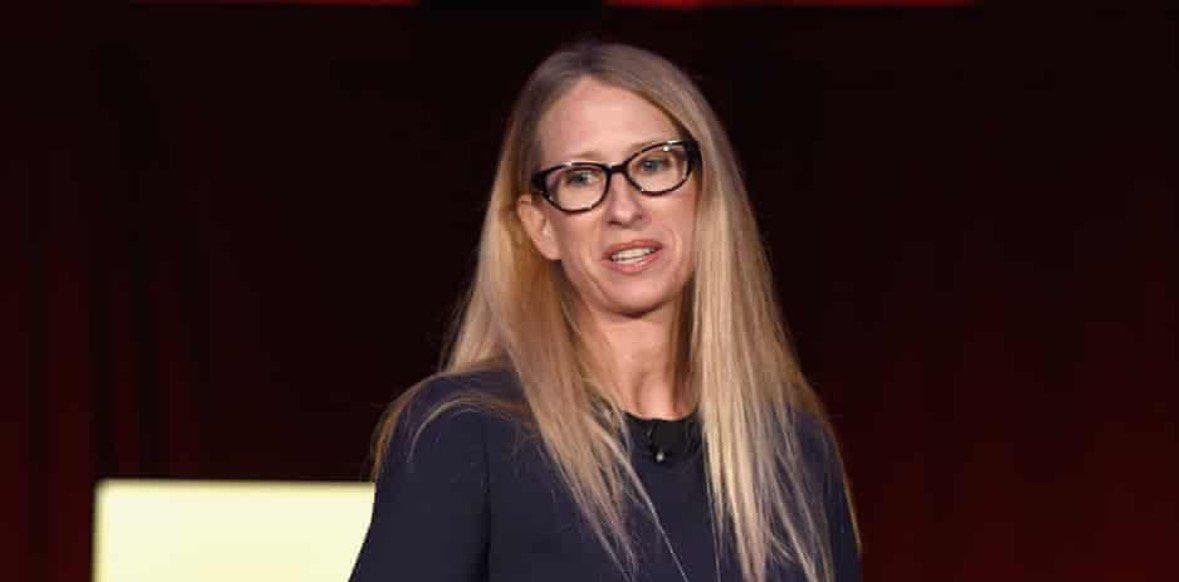
Speaking at the Deloitte and Enders Media and Telecoms conference, BBC director general Tim Davie and Sky CEO Dana Strong strongly criticised a government proposal allowing AI companies to use copyright-protected work without permission—unless creators explicitly opt out. The creative sector says this model threatens to “scrape the value” out of the industry.
Industry Leaders Demand Stronger Intellectual Property Protection
Dana Strong compared the AI opt-out model to Sky’s long-standing fight against digital piracy. She warned that individuals and small businesses would be unable to defend their intellectual property in the face of tech giants scraping content. “If we as a large organisation spend the resource we do fighting for IP rights, I can’t fathom how small producers keep up… It is impossible to head in that direction,” Strong said.
Tim Davie: Industry ‘Will Be in Crisis’ Without IP Action
Tim Davie echoed these concerns, stating the government must act swiftly to protect UK content creators. “If we currently drift the way we are doing now, we will be in crisis,” Davie said. “What do I need? IP protection; come on, let’s get on with it.”
The media sector is urging for an opt-in regime, which would require AI developers to obtain consent and negotiate licenses before using copyrighted materials to train models.
Government Responds Amid Growing Pressure
Culture Secretary Lisa Nandy sought to reassure the industry, announcing plans for roundtable talks with creators and technologists. “We have heard you loud and clear,” she told conference attendees. “We are determined to find a way forward that works for the creative industries as well as the tech sector.”
She confirmed the government will not push forward legislation that damages the creative economy and promised a collaborative approach to drafting enforceable AI and copyright laws.
Criticism of Tech Lobbying and Copyright Opt-Out Plan
The government recently faced criticism for being too close to big tech, after analysis revealed that Technology Secretary Peter Kyle’s department held 28 meetings with tech companies or lobbyists over six months. Industry figures have demanded more transparency and better balance in policymaking.
Following backlash from high-profile figures such as Paul McCartney and Elton John, the government has agreed to carry out an economic impact assessment of any proposed copyright changes and to publish reports on data access, licensing, and transparency for AI developers.
Nandy added: “We are a Labour government, and the principle that people must be paid for their work is foundational. If it doesn’t work for the creative industries, it will not work for us.”
