
UK ministers have offered a set of concessions on copyright protections related to artificial intelligence in a bid to prevent the collapse of the Data Protection and Digital Information Bill.
The move comes amid growing tension in the House of Lords, where peers have repeatedly challenged the government’s plans to allow AI companies to train models using copyrighted material without prior permission.
To avoid a fifth defeat in the Lords, ministers promised to accelerate the publication of technical reports on AI and copyright regulation. These reports will now be made available within nine months instead of the previously planned 12 months.
The amendments were introduced just ahead of a crucial vote, as the government seeks to keep the bill on track.
The bill, expected to unlock £10 billion in economic growth, aims to modernise the UK’s data protection laws while enhancing online safety. Among other measures, it includes strengthened powers for authorities to preserve social media data in the case of a child’s death.
A key figure behind the resistance in the Lords is Beeban Kidron, an independent peer and film director, who has used the bill as a platform to challenge the government’s approach to AI and copyright.
Kidron’s latest amendment is expected to be reintroduced, potentially pushing Parliament into a rare “double insistence” scenario—where the Commons and Lords reach an impasse. If no agreement is made, the entire bill could be scrapped.
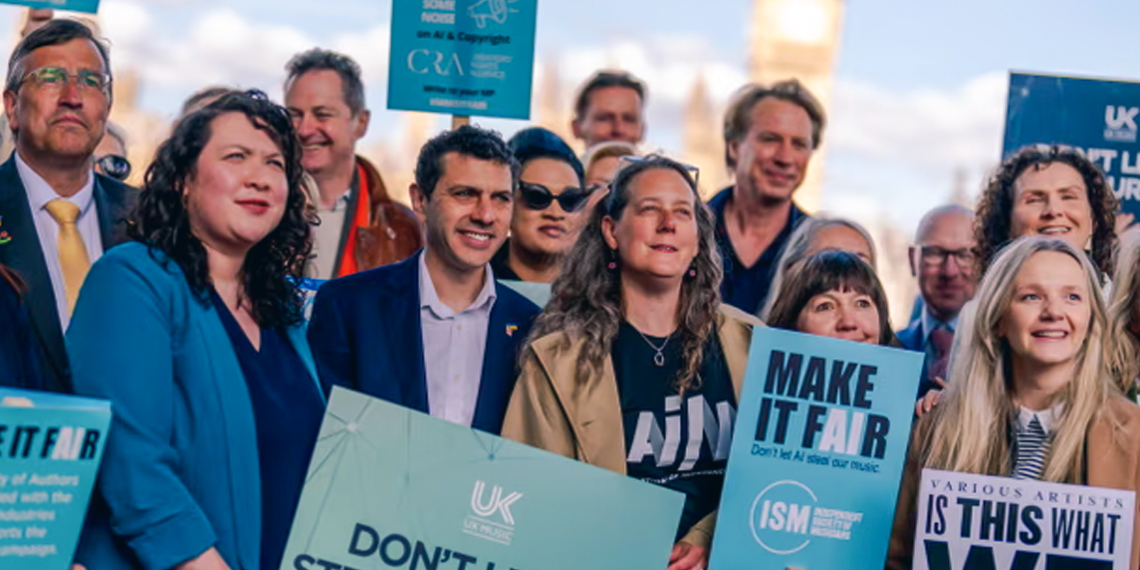
Kidron and other campaigners argue that the current proposal allows AI developers to exploit copyrighted content unless creators explicitly opt out. Critics warn this would significantly harm the UK’s creative industries, with artists, authors, and publishers voicing strong objections.
Ministers have faced pressure not only from the Lords but also from their own backbench MPs and leading figures in the creative sector. The government’s earlier consultation on implementing an opt-out model for copyrighted work has also faced backlash.
Despite the latest concessions, concerns remain over the lack of clear regulatory safeguards to prevent the unauthorised use of copyrighted material by AI companies. Industry leaders are calling for greater transparency and accountability, including mandatory disclosures from developers on how data is used to train their models.
As negotiations continue, the government faces growing pressure to balance innovation in AI with the protection of intellectual property rights. The outcome of this legislative battle will shape the future of AI regulation and digital copyright in the UK.