
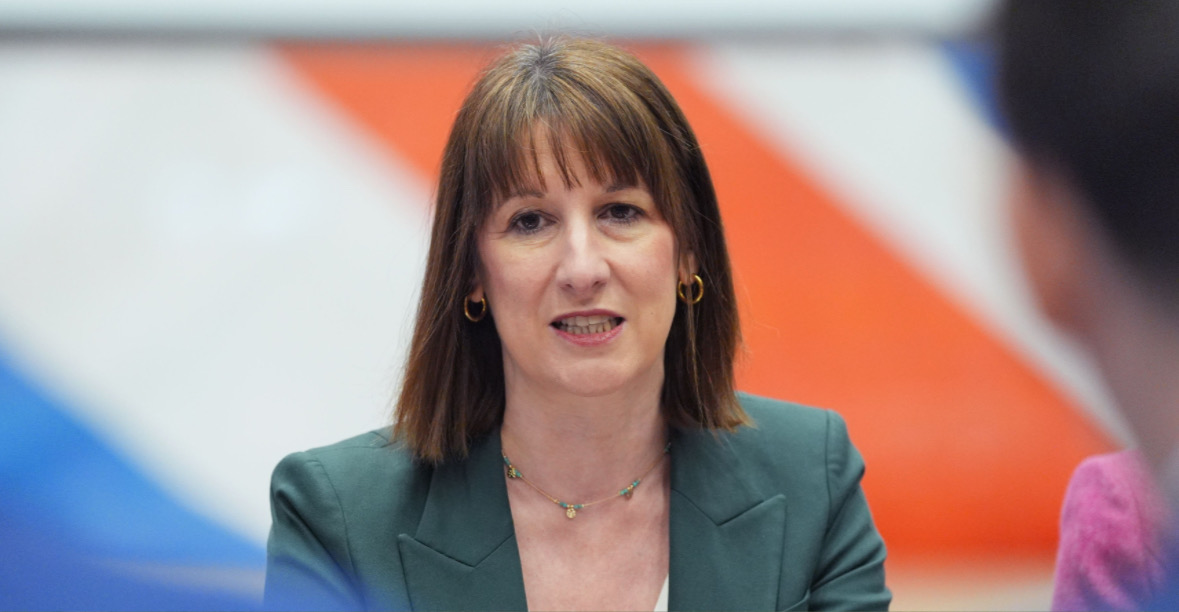
Chancellor Rachel Reeves is facing mounting pressure to increase taxes and reduce public spending as the UK’s economic growth forecast is revised downward, largely due to rising inflation and the global fallout from Donald Trump’s renewed trade war.
The Organisation for Economic Co-operation and Development (OECD) has warned that the UK must urgently strengthen its financial resilience. The call comes as ministers prepare for next week’s crucial Spending Review, which will outline public expenditure plans for the years ahead.
The OECD has reduced its GDP growth projection for the UK to 1.3% for 2025, down from an earlier estimate of 1.4%, with further decline expected in 2026 to just 1%. This downward revision reflects growing uncertainty in global markets, particularly linked to escalating tariffs between the US and China, and fresh barriers on UK exports imposed by the US.
The international body has advised the UK Government to adopt a balanced fiscal strategy that includes targeted spending cuts, the closure of tax loopholes, and updated council tax valuations. The OECD also recommends revenue-generating reforms and accelerated changes to the welfare system, ensuring support remains focused on the most vulnerable.
The warnings come as Ms Reeves faces increasing demands to allocate billions in additional funding. These include up to £5 billion for pensioners’ fuel support following a policy reversal on the Winter Fuel Allowance, as well as pressure to abolish the two-child benefit cap.
The Chancellor is also under scrutiny after the Defence Secretary signalled that tax increases may be necessary to fund the government’s plans to elevate defence spending to 3% of GDP—a key pledge in the UK’s strategic shift towards enhanced military readiness.
Compounding matters, Bank of England Governor Andrew Bailey has cautioned that future interest rate cuts may proceed more slowly than anticipated due to heightened global uncertainty, making UK economic planning even more complex.
Meanwhile, Business Secretary Jonathan Reynolds is expected to hold talks with US officials following a high-level OECD summit in Paris, urging Washington to commit to implementing a previously announced UK-US trade deal. While that agreement was initially celebrated by both governments, key elements—particularly tariff reductions on steel and aluminium—remain unfulfilled.
In a significant setback, President Trump has announced plans to double tariffs on steel imports to 50%, triggering alarm across British manufacturing and raising concerns about the future competitiveness of the UK’s critical steel industry.
As the economic landscape grows more turbulent, Labour ministers are racing to finalise a deal to shield vital sectors from escalating US tariffs, amid fears that further disruption could jeopardise industrial stability and consumer prices.
With Britain’s fiscal buffers deemed thin and economic risks mounting, the OECD’s intervention is likely to intensify calls for decisive action from the Chancellor to safeguard growth and restore public confidence.
