
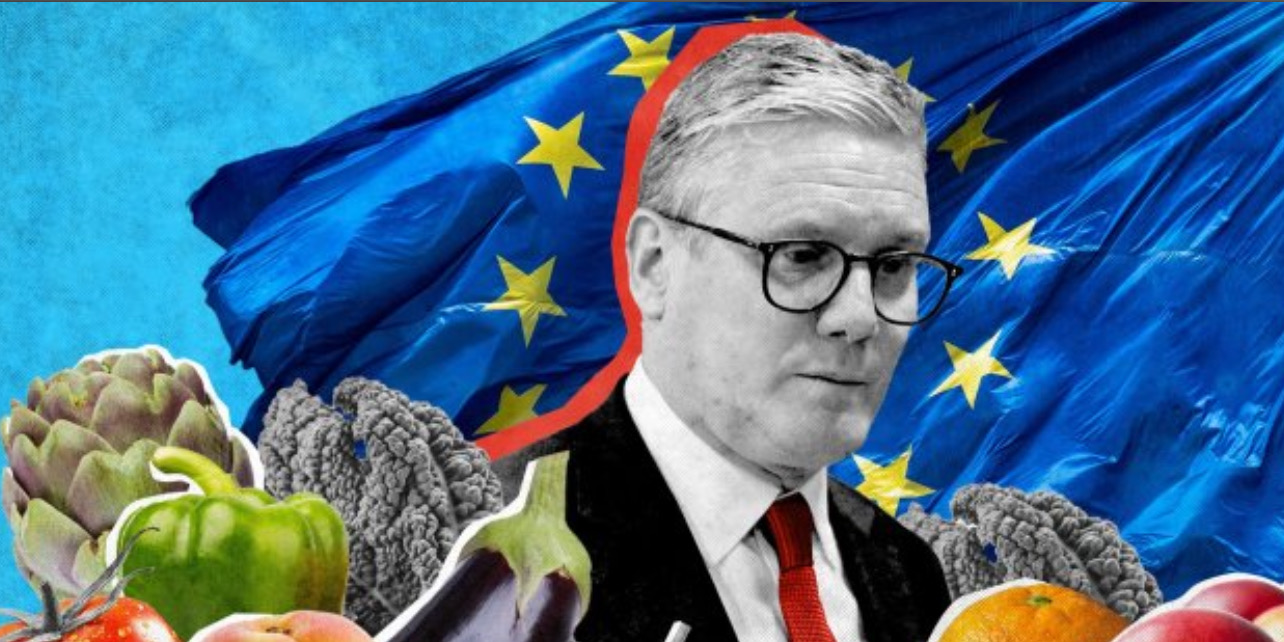
Fruit and vegetable prices in the UK are expected to fall after the Government confirmed it will scrap planned border checks on EU imports.
The decision follows a major shift in post-Brexit trade policy under Prime Minister Keir Starmer’s new EU partnership approach.
The controls, originally set to take effect from 1 July, had faced repeated delays due to concerns they would increase inflation, strain supply chains and threaten small businesses. The UK imports more than half of its fruit and vegetables, with nearly 80% coming from EU nations.
Under a new in-principle agreement reached in May, the UK and EU are progressing toward a sanitary and phytosanitary (SPS) deal aimed at easing trade in agri-food products. As part of this move, the Government will now cancel import checks on so-called medium-risk produce such as tomatoes, grapes, peaches, plums, peppers, and cherries.
Industry experts had warned the proposed checks would add around £200 million in costs annually, driving up prices for consumers. The decision to scrap the controls is seen as a significant win for businesses and shoppers alike, helping to improve affordability across supermarkets nationwide.
The UK had already introduced SPS checks on EU meat, fish and dairy from April 2024, following years of delay. However, the fruit and vegetable sector had remained in limbo, with implementation postponed multiple times. The latest update confirms these controls will not be introduced at all.
Further changes are expected once the final SPS agreement is in place. The deal aims to eliminate most red tape on food and drink trade, with the exception of live animal exports, which remain subject to biosecurity regulations due to concerns about animal diseases in Europe.
The new arrangement is expected to restore smooth trade in a range of products, including dairy, eggs, fish, red meat and potatoes. It will also allow the UK to resume exports of previously restricted items such as seed potatoes, sausages and certain shellfish varieties.
However, the agreement has not come without criticism. Some have expressed concern over the UK granting the EU continued access to British fishing waters for another 12 years, and over the alignment with EU agri-food regulations under European Court of Justice oversight.
Despite these concerns, government ministers have defended the deal, highlighting its benefits for food prices, trade efficiency and consumer choice. Major retailers including Asda and Lidl have responded positively, anticipating better supply chain conditions and reduced costs.
While negotiations on the final SPS framework continue, UK officials are expected to resist any EU pressure to align on regulatory matters related to the country’s gene editing industry. Britain’s growing gene-edited crop sector, known for innovations in drought and disease-resistant produce, remains a key area of national interest.
This shift in policy signals a significant step towards practical post-Brexit trade management, designed to reduce costs, support businesses and offer consumers more affordable options on fresh produce imported from the EU.
