
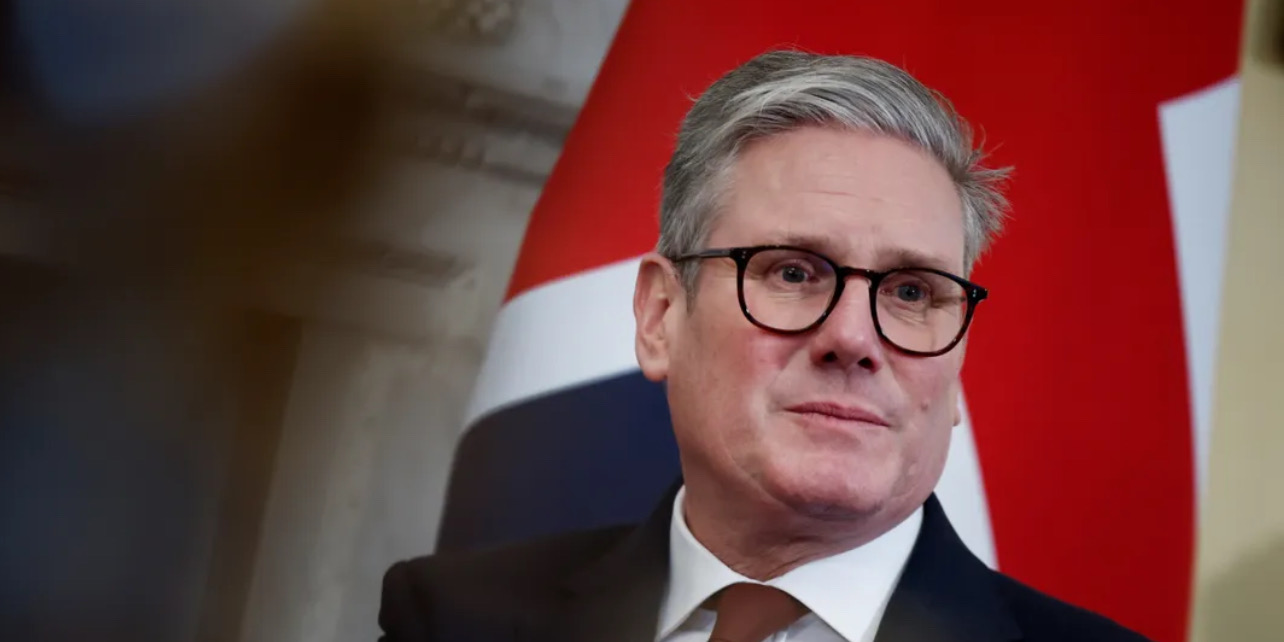
British security services are investigating possible Russian involvement in arson attacks targeting properties linked to Prime Minister Keir Starmer, amid rising concerns over coordinated sabotage operations across Europe. According to a Financial Times report published on May 23, senior UK government sources confirmed that counter-terrorism units are probing whether Russian actors recruited suspects charged in connection with the incidents.
Three separate arson attacks occurred earlier this month, including an attempt to set fire to Starmer’s family home in Kentish Town, north London, a vehicle, and a former residence. Prosecutors have charged Roman Lavrynovych and Petro Pochynok, both Ukrainian nationals, and Stanislav Carpiuc, a Romanian national, with conspiracy to commit arson with intent to endanger life.
Suspects Linked to Wider Network
Authorities allege the three acted alongside unknown accomplices and remain in custody ahead of a court appearance on June 6. Investigators are assessing whether there is a direct connection to Russian intelligence or affiliated groups.
A senior official told the Financial Times that British agencies are “actively evaluating potential retaliatory steps” should evidence confirm that Russian operatives were behind the recruitment or orchestration of the attacks.
Russian Sabotage Concerns Growing Across Europe
The UK inquiry comes amid heightened European fears of Russian-sponsored sabotage plots aimed at destabilising countries supporting Ukraine. Intelligence agencies across the continent have recently reported similar attacks, pointing to a possible coordinated Russian campaign.
In Germany, three Ukrainian nationals were arrested over a Russia-linked plot involving arson and bomb attacks. Similarly, in Poland, authorities accused two Ukrainian nationals of carrying out suspected arson at a shopping centre in Warsaw and an IKEA store in Vilnius, Lithuania — both allegedly backed by Russian operatives.
UK counter-terrorism police say the motive behind the Starmer-related attacks remains unclear, but the pattern echoes tactics previously employed in state-sponsored disruption campaigns.