
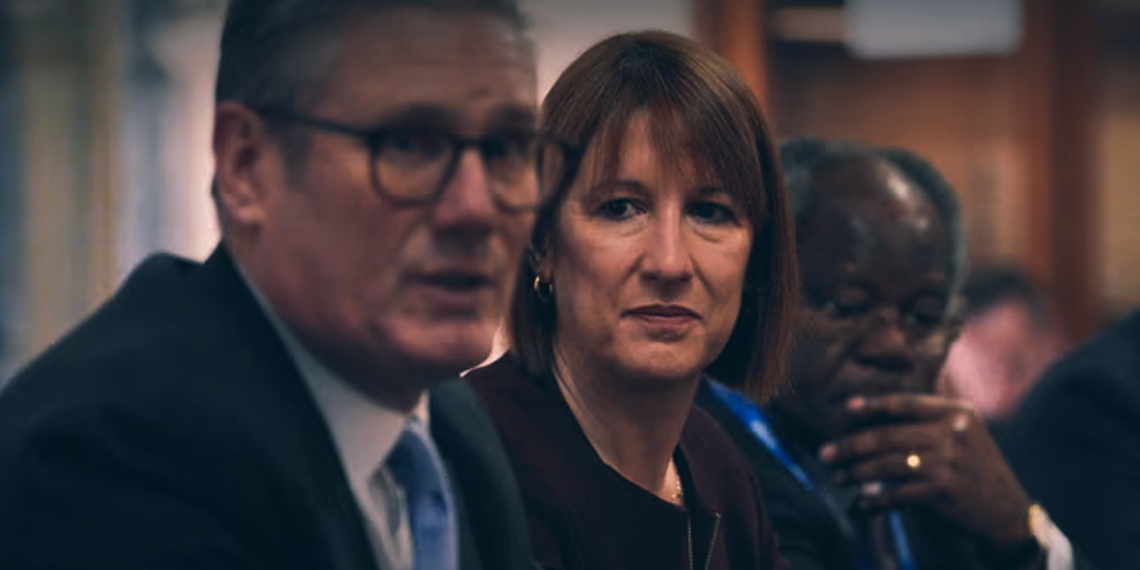
Labour’s long-awaited child poverty strategy has been postponed until at least the autumn, as internal divisions emerge over the financial burden of key proposals — most notably, the potential removal of the controversial two-child benefit cap.
Originally set for release this spring, the strategy is jointly led by Work and Pensions Secretary Liz Kendall and Education Secretary Bridget Phillipson.
It had been widely anticipated to recommend scrapping the cap on child benefits, a measure seen by campaigners as crucial to tackling child poverty across the UK.
However, sources close to The Guardian reveal that Chancellor Rachel Reeves and Keir Starmer’s chief of staff, Morgan McSweeney, have intervened to delay the strategy’s launch.
Reeves is said to be wary of the financial implications, estimated at £2.5 billion, while McSweeney reportedly questioned whether the political gains justify the cost.
Prime Minister Keir Starmer is believed to support scrapping the cap as a demonstration of Labour’s commitment to reducing child poverty and uniting backbench MPs ahead of a contentious welfare vote next month.
Yet, insiders claim McSweeney has argued the policy may not resonate with the wider public, framing it instead as a matter of fairness rather than a vote-winner.
Downing Street denied any split between Starmer and McSweeney, stating that the policy remains under consideration and no final decision has been reached.
A No 10 spokesperson insisted, “The government is determined to reduce child poverty. We’re not standing still,” highlighting actions already taken — including expanding free breakfast clubs, limiting school uniform costs, and raising the national minimum wage.
Experts warn that delays to the strategy will have real-world consequences. Approximately 100 children are pushed into poverty each day due to the two-child limit, with up to 20,000 expected to be affected by the six-month postponement.
The cap is also linked to forcing 30,000 children into deep poverty, especially where parents are unable to work.
Further delays beyond the autumn budget could mean the effects of removing the cap would not be felt before the next general election — undermining the policy’s political value.
The Treasury is understood to be holding back from committing to the estimated cost of scrapping the cap until September’s inflation data clarifies the financial outlook for other benefits reforms due next April.
Meanwhile, the government is preparing a £750 million child poverty package for the June spending review, focusing on addressing root causes such as employment, housing, and education. However, sources suggest this could largely rebrand existing spending under a new child poverty narrative.
Chancellor Reeves recently hinted at more announcements, stating: “I want to lift people out of poverty — especially children — and we’ll set out more plans to achieve that.”
Tensions within Labour have intensified following cuts to disability benefits outlined in the spring statement.
More than 100 MPs are believed to have signed a private letter opposing the measure, with a significant rebellion expected in the coming welfare vote.
Notably, seven Labour MPs were suspended for defying the party whip over the two-child cap during last July’s King’s Speech vote.
