
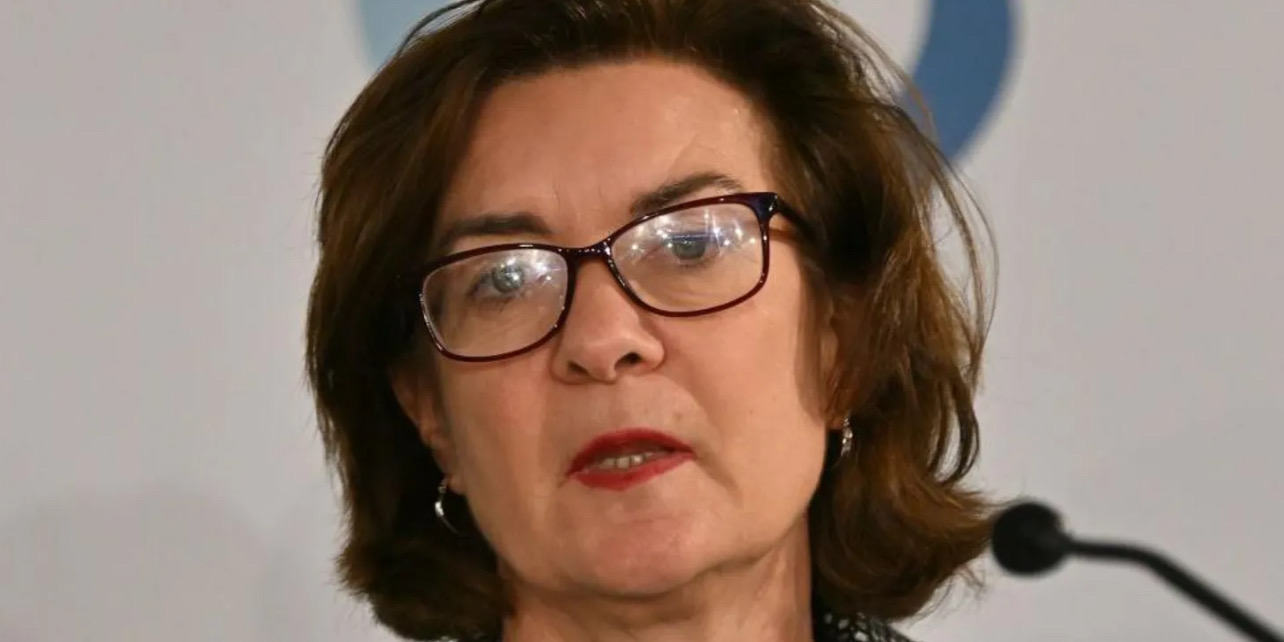
The Welsh Government has fallen short of its promise to reduce NHS waiting lists, as the latest data shows 8,389 patients in Wales are still waiting more than two years for treatment. This figure narrowly misses the target of reducing two-year waits to around 8,000 by spring 2024, a pledge made by former Health Minister and now First Minister Eluned Morgan.
Despite this, the number of long-wait patients is now at its lowest since April 2021, down from 24,000 in December, thanks in part to a £50 million NHS recovery fund. The majority of remaining long waits — 5,747 — are concentrated in the Betsi Cadwaladr University Health Board in North Wales.
Opposition: Labour Missed Its Own Benchmark
Opposition parties criticised the government for failing to meet its own goal. Plaid Cymru’s health spokesman Mabon ap Gwynfor accused the Welsh Government of “moving the goalposts and still missing,” while the Conservatives highlighted ongoing failures in cancer treatment targets and emergency care delays.
The Welsh Liberal Democrats described two-year-long waiting times as “unacceptable” and criticised the Labour-run government’s performance compared to England, where such waits have been virtually eliminated.
Health Secretary: ‘We Came Close’ But Work Remains
Health Secretary Jeremy Miles defended the outcome, stating that the system “came close” to the target and praised progress in some areas. Health boards such as Swansea Bay, Hywel Dda, and Powys now have zero patients waiting over two years.
He also outlined a new goal to cut the overall NHS waiting list by 200,000 this year and restore the eight-week target for diagnostic tests by March 2026. Around 65,000 additional treatments were delivered using the emergency funding, alongside thousands of diagnostic tests and outpatient appointments.
Real-Life Impact: Patient Pays £8,000 Abroad to Escape Pain
The delay in treatment led some patients to seek alternatives abroad. Sarah Thyer, a 60-year-old from Swansea, paid £8,000 for hip surgery in Lithuania after enduring a two-year wait in the Welsh NHS.
“I had to give up my job, my mobility was gone. The pain was unbearable,” she said. Following her private surgery in March, Thyer was walking within hours and has resumed an active lifestyle. While she feels “angry” at having to pay for care, she blames the system, not NHS staff, and feels lucky to afford private treatment — a choice many others can’t make.
Experts: Progress Positive but Not Fast Enough
The Royal College of Surgeons (RCS) in Wales welcomed the government’s efforts but warned that change is too slow. RCS Director Jon Barry called for more long-term investment and the creation of surgical hubs to reduce dependency on A&E and private sector outsourcing.
Barry added: “Instead of using end-of-year funds to clear backlogs, we need year-round investment to build lasting capacity in the NHS.”
With more than 600,000 people still on NHS waiting lists and the 2026 Senedd election approaching, healthcare remains a politically sensitive issue that will test the First Minister’s leadership and Labour’s ability to restore public trust.
