
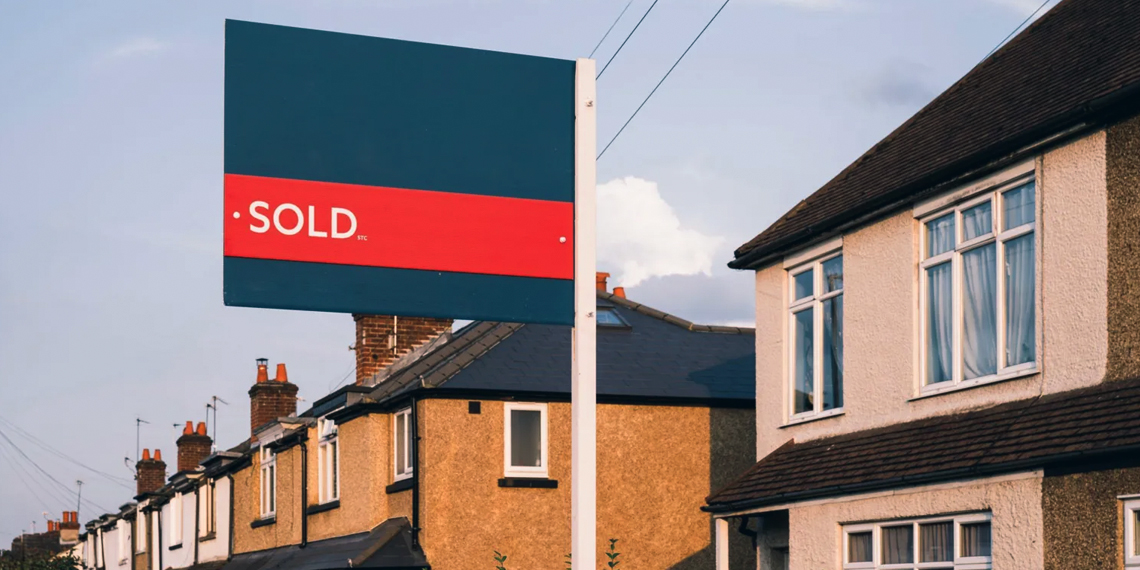
House prices in Northern Ireland increased by nearly 10% year-on-year in the first quarter of 2025, according to official data. The average price of a home rose to just over £185,000, up from £169,000 during the same period in 2024.
Quarter-on-quarter, property prices edged up by 1%, rising from £183,000 in Q4 of 2024. Analysts suggest this early-year boost was likely driven by a rush to complete sales before changes to stamp duty came into effect in April.
Stamp Duty Changes Fuel Market Activity
Stamp duty, a tax applied to property transactions, previously did not apply to homes valued under £250,000. However, as of April 2025, the threshold has been reduced to £125,000, prompting many buyers to fast-track purchases in the first quarter to avoid higher taxes.
In addition, recent interest rate cuts may have supported the market by making borrowing more affordable for potential homebuyers, boosting overall demand.
Regional House Price Trends Across Northern Ireland
All council areas in Northern Ireland recorded annual house price increases. The largest rise was in Causeway Coast and Glens, where prices jumped by more than 15%, pushing the average property value above £200,000 for the first time since the housing peak in 2007.
Other notable figures include:
• Lisburn and Castlereagh: Highest average price at £221,000
• Mid and East Antrim: Lowest average at £165,000
• Mid Ulster: Modest annual growth at 5.2%
Growth was seen across all property types, with terraced houses leading at nearly 11% annual growth, and detached homes following at 8%.
House Prices Continue Rising in the Republic of Ireland
Across the border, property prices in the Republic of Ireland also continued their upward trend, increasing by 7.5% in the year to March 2025. The median house price reached €362,500 (£306,500), which is now 17% above the peak levels seen in the 2007 housing boom.
Nationally, property prices in the Republic have soared by 162% since their post-crash low in early 2013, with prices in Dublin up by 158% and the rest of the country seeing a 174% rise since bottoming out in 2013.
