
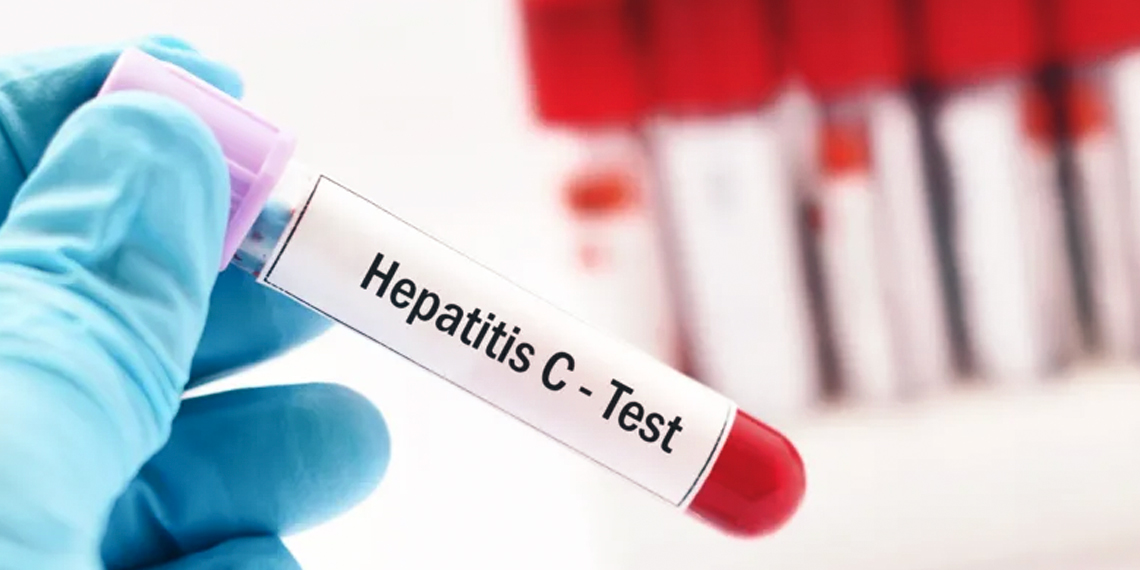
Thousands more people across England could be living with undiagnosed hepatitis C after receiving contaminated blood transfusions decades ago — and NHS England is urging GPs and patients to help trace those affected.
Starting in June, individuals registering with a GP in England will be asked whether they received a blood transfusion prior to 1996.
If so, they will be offered a free hepatitis C test in a bid to uncover long-hidden infections linked to one of the worst medical scandals in British history.
The contaminated blood scandal has already affected over 30,000 people across the UK, many of whom were infected with hepatitis C and HIV through blood products used in the 1970s, 80s and early 90s. It’s believed many thousands more remain undiagnosed — putting them at risk of severe liver damage.
Silent but Deadly Virus
Hepatitis C is a blood-borne virus that, if left untreated, can silently damage the liver over years or decades. While modern antiviral treatments can cure most patients, early detection is vital. In many cases, symptoms may not appear until the liver is already severely damaged.
The human cost of delayed diagnosis was tragically highlighted by the case of Maureen Arkley, who received multiple transfusions during surgery in the 1970s. She was only diagnosed with hepatitis C and cirrhosis in 2023 — more than 40 years later — and died just five months after her diagnosis.
Despite the transfusions being documented in her medical records, Maureen was never informed of the possible risk. Her case, among many others, reflects a systemic failure to identify and inform patients potentially exposed to the virus.
New Testing Push Follows Inquiry Findings
In line with recommendations from the Infected Blood Inquiry report published in May 2024, NHS England will now prompt those born before 1996 to disclose any past transfusions via online GP registration forms.
If a transfusion is confirmed, individuals will be offered a simple finger-prick blood test kit, which can be sent to a lab from home. Alternatively, testing will be available through GP practices, sexual health clinics, and other healthcare settings.
Professor Stephen Powis, Medical Director at NHS England, called the move “a vital step forward” to ensure no one exposed to contaminated blood remains “undiagnosed and unsupported.” He added, “The failures of the contaminated blood scandal have had a horrifying impact for decades, and we extend our deepest apologies to those affected.”
Charities Push for Wider Awareness
The Hepatitis C Trust is encouraging all individuals who had transfusions before 1996 — whether newly registering with a GP or not — to come forward for testing.
“Every fortnight, we hear from someone who is only now discovering they’ve lived with hepatitis C for over 30 years,” said Chief Executive Rachel Halford. “Many are seriously unwell. A more proactive approach is crucial to reaching those still unaware.”
Devolved Nations Also Expanding Testing
In Wales and Northern Ireland, GPs are already offering testing to eligible patients. Meanwhile, the Scottish Government has instructed all GP surgeries and NHS Boards to test patients with a history of pre-1996 transfusions who haven’t yet been screened.
Health officials emphasise that the risk of contracting hepatitis C or HIV from transfusions today is extremely low, as all blood donations have been routinely screened for these viruses since 1991.
Opt-out testing for HIV, hepatitis C, and hepatitis B will also begin rolling out in A&E departments across the UK as part of broader public health measures.