
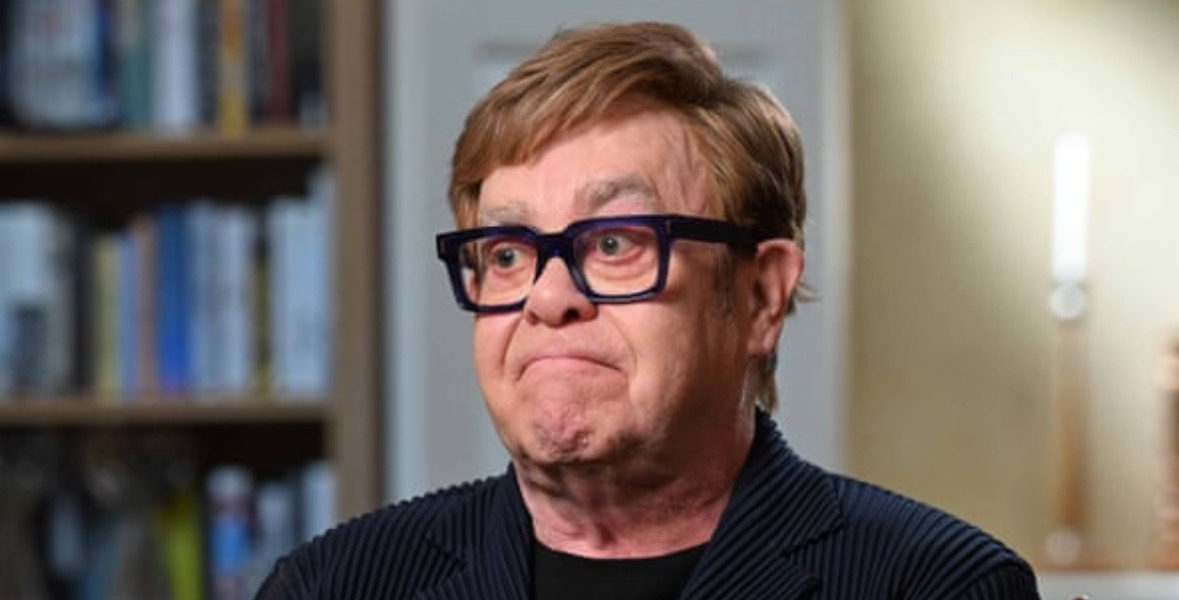
Sir Elton John has launched a scathing attack on the UK government’s approach to copyright law in the age of artificial intelligence, branding ministers “absolute losers” and warning that their proposals could devastate the livelihoods of future generations of creatives.
Speaking on BBC One’s Sunday with Laura Kuenssberg, the legendary singer-songwriter accused the government of attempting to rewrite copyright legislation in favour of big tech companies, allowing artificial intelligence firms to exploit protected content without securing permission or offering compensation.
“It’s a criminal offence, I think,” said John. “The government are just being absolute losers, and I’m very angry about it. They’re about to rob young people of their legacy and their income.”
Sir Elton saved particular ire for the technology secretary, Peter Kyle, calling him “a bit of a moron” and threatening legal action should the government proceed with the controversial policy.
His comments follow fresh scrutiny of Kyle’s department, after reports revealed a surge in meetings with tech giants including Google, Apple, Amazon, and Meta since Labour came to power.
John’s intervention comes just ahead of a crucial House of Lords vote on an amendment tabled by crossbench peer Baroness Beeban Kidron.
The proposal would require AI developers to disclose when they use copyrighted material in their models—giving artists and rights holders a legal pathway to demand licensing agreements and protect their intellectual property.
He criticised the government’s handling of a similar Lords-backed amendment which was recently stripped from the legislation during its passage through the Commons, describing the process as “a betrayal”.
“The House of Lords voted more than two to one in our favour,” John said. “And the government just brushed it aside. They think, ‘Well, the old people like me can afford it,’ but it’s not about us—it’s about the next generation.”
At the centre of the controversy is the government’s ongoing consultation on how AI companies should be allowed to use copyrighted content.
One option still under consideration would permit AI training on protected material by default—unless rights holders explicitly opt out.
Sources close to Peter Kyle have indicated this “opt-out” approach is no longer the preferred option, but it has not been taken off the table. Alternatives include keeping the law unchanged, mandating licences for use of protected works, or granting AI firms unconditional access—removing any ability for creators to object.
In response, a government spokesperson said: “No changes to copyright law will be made unless we are fully confident that they support creators.”
The spokesperson also confirmed an economic impact assessment is being prepared to evaluate the potential consequences of any proposed changes.
Creative professionals and artists have expressed deep concern that weakening copyright protection could lead to widespread misuse of their work by AI developers, threatening both artistic control and long-term financial viability.
As the government faces mounting pressure from musicians, writers and campaigners, Monday’s Lords vote could prove pivotal in shaping the future balance between technological innovation and creators’ rights in post-Brexit Britain.
