
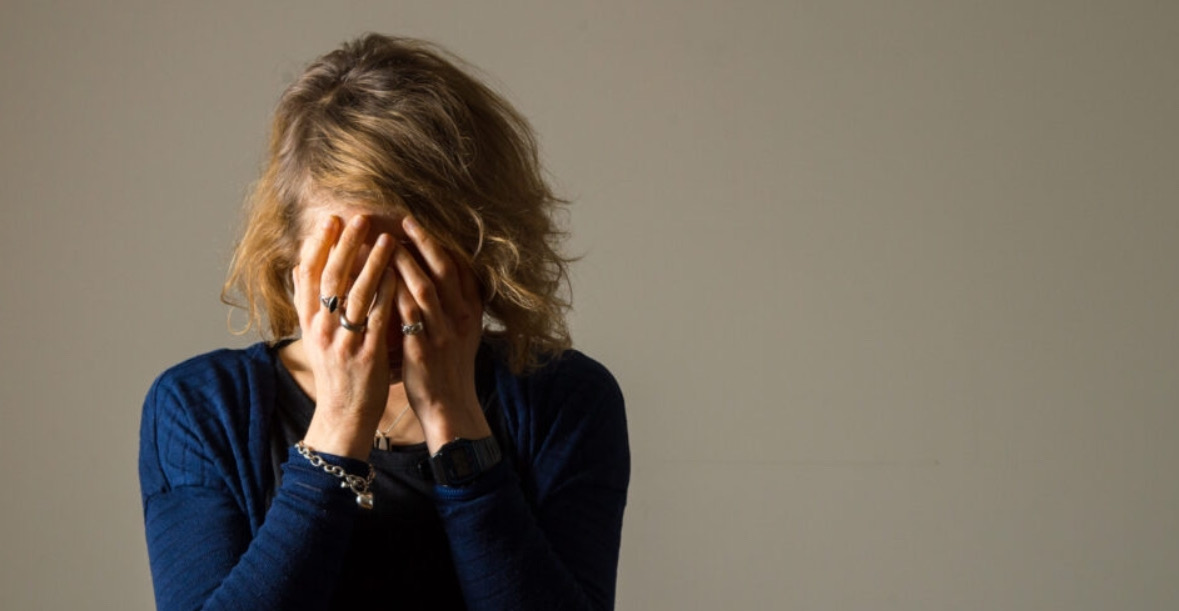
The UK Government is falling behind in its response to the growing crisis of violence against women and girls, with MPs stating it appears unaware of the true extent of the problem.
A recent report by the cross-party Public Accounts Committee reveals critical shortcomings in the Government’s strategy, coordination, and funding efforts.
According to the committee, Whitehall departments lack a clear understanding of the volume of local support being provided. This disconnect is leaving grassroots organisations under-funded and overwhelmed, with refuges reportedly turning away 65% of support requests due to limited capacity. Community-based services are also stretched thin, managing to assist only half of those who reach out.
The committee highlighted alarming statistics showing that at least one in 12 women in the UK are affected by violence annually. Moreover, one in five police-recorded crimes relate to violence against women and girls. However, the Home Office’s current monitoring system fails to capture all relevant offences, leading to an incomplete picture of the crisis.
One major concern raised by MPs is the exclusion of under-16s from data collection, despite clear evidence that individuals aged 11 to 20 are most at risk of becoming victims or perpetrators of sexual violence. This oversight raises doubts about the effectiveness of current preventative measures.
When Home Secretary Yvette Cooper launched the Government’s commitment to halving violence against women and girls within a decade, she called for a united effort across departments, organisations, and communities. Yet, the committee’s findings suggest that this coordinated mission is not being realised.
Committee member Anna Dixon warned that although recent attempts at cross-departmental collaboration were promising, there is still insufficient evidence of what is actually working at a local level. She urged the Home Office to take decisive leadership and ensure that victims receive the support they need while addressing the wider cultural rise in misogyny.
The report also criticises the lack of emphasis on prevention. MPs stressed the importance of targeted work with boys and young men to challenge and change harmful attitudes. They also called for more action to protect young people online, where misogynistic content continues to spread.
The committee specifically urged the Department for Education to play a more active role in tackling the influence of online platforms, pointing to the explosion in cases reported to the revenge porn helpline — from 521 to over 22,000 in just nine years — as evidence of the changing landscape of abuse.
MPs expressed concern that multiple departments are underestimating the scale of the challenge, particularly in light of additional pressures such as the housing crisis and delays in the justice system, which further limit access to support services.
To address these issues, the committee made a number of key recommendations. It called on the Home Office to clearly define how it will lead a coordinated, mission-led approach, ensuring all departments are held accountable for their roles in tackling violence against women and girls. It also urged the department to gain a more accurate understanding of the needs of survivors and the services supporting them.
In view of the upcoming spending review, MPs have demanded that the Home Office confirm within one month how it plans to manage spending related to this issue and provide long-term funding certainty to vital services.
The Government has been approached for comment.
