
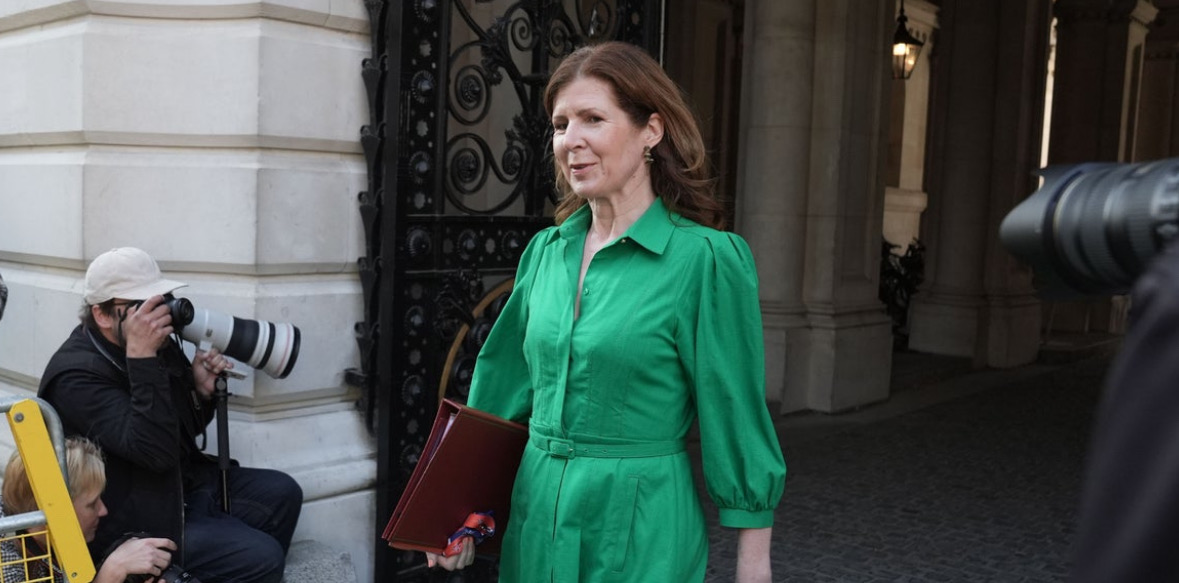
The UK’s newly appointed development minister has warned that significant cuts to Britain’s foreign aid budget will have “huge consequences”, but insisted the era of the UK acting as a “global charity” is over.
Baroness Jenny Chapman, who took over the role in February following Anneliese Dodds’ resignation, made the remarks during an appearance before the International Development Committee.
Dodds stepped down in protest over Prime Minister Keir Starmer’s decision to reduce aid spending from 0.5% to 0.3% of Gross National Income (GNI)—a cut amounting to nearly £6 billion from a current £15.4 billion budget.
Chapman told MPs the UK must “sharpen its focus” on global health, climate change, and emergency aid for crises such as those in Gaza, Ukraine and Sudan.
However, she acknowledged that the shift would likely mean reduced support for education programmes for women and girls.
“There will be a huge impact—I’m not pretending otherwise,” she said. “I can’t promise to protect every good programme.”
Public Support for Aid at a ‘Crisis Point’
Baroness Chapman highlighted what she described as a “crisis” in public support for international aid, suggesting that partner nations themselves also wish to move away from traditional donor-recipient models. She argued that future UK development efforts should prioritise technical expertise and investment over financial handouts.
“We need to be investors, not just donors. It’s about partnership, not paternalism,” she told the committee.
Liberal Democrat MP Monica Harding countered that polling suggests the public does back aid spending—when it’s seen to support national interests, particularly in areas such as defence, soft power, and security.
Distancing from US-Led Ideological Cuts
Chapman firmly rejected suggestions that Labour’s plans mirror the approach of former US President Donald Trump, who has slashed aid funding related to gender and diversity.
While acknowledging that aid for gender equality may be deprioritised under the new spending strategy, she insisted the UK’s direction was driven by necessity, not ideology.
“We’re not following the US,” she stressed. “This is about a strategic shift in spending towards defence and pressing priorities. We are still committed to returning to the 0.7% target when circumstances allow.”
Save the Children Warns of Devastating Global Impact
Humanitarian organisations have expressed alarm. Save the Children estimates the cuts could leave over 55 million of the world’s most vulnerable without basic aid.
The One Campaign warned of potentially 600,000 preventable deaths and 38 million unvaccinated children as a result.
Chair of the committee, Sarah Champion, noted the long-term risks of undermining development funding: “This is how you prevent future conflicts and terrorism.”
More specific details on which programmes will be affected are expected after the 11 June spending review deadline, with full clarity anticipated over the summer. Chapman said decisions are still under consideration and final figures have yet to be confirmed.
