
NHS nurses across the UK may go on strike again if the government does not significantly improve its latest pay offer.
The Royal College of Nursing (RCN) is demanding a 25% pay rise to restore earnings lost since 2010, warning that the current offer of 2.8% is not acceptable.
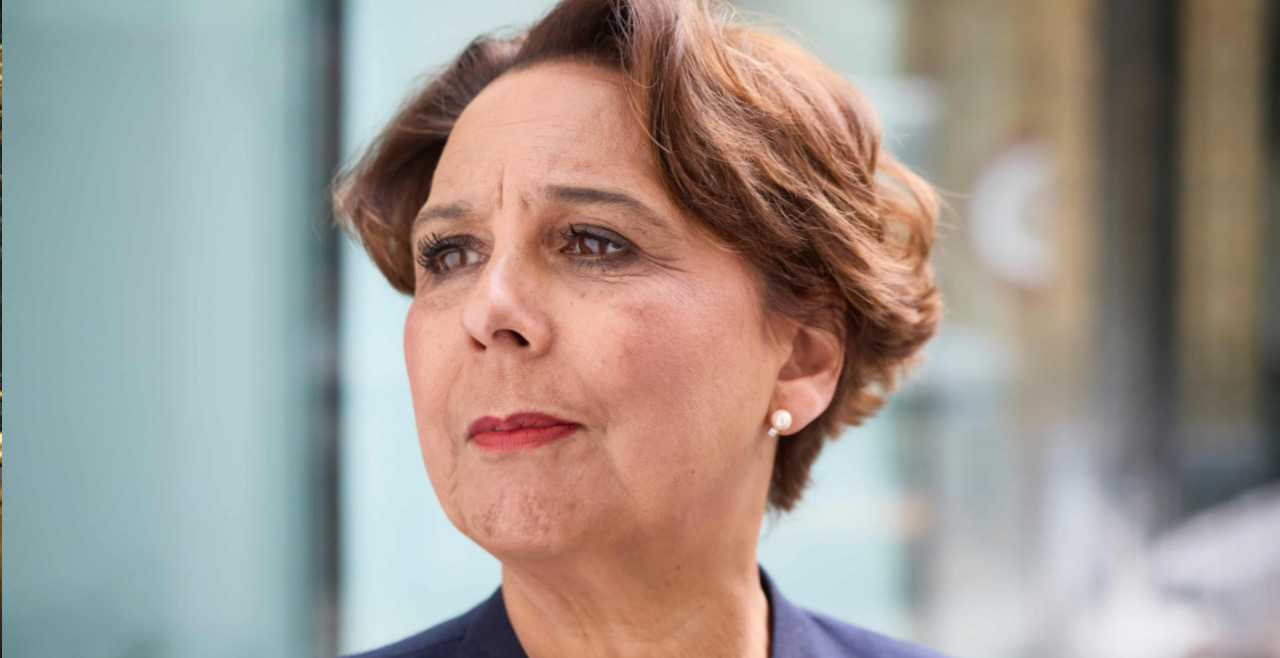
The warning comes from RCN General Secretary Nicola Ranger, who has emphasised that the nursing profession is underpaid, undervalued, and increasingly strained.
Her comments, made ahead of the RCN’s annual congress in Liverpool, reflect growing unrest among frontline NHS staff.
Since 2010, nurse salaries have fallen by around 25% in real terms due to inflation and below-inflation pay increases. The RCN is calling for full pay restoration, arguing that nurses have borne the brunt of over a decade of austerity and now face rising living costs.
Recent pay deals have failed to address this long-term decline. After striking eight times between December 2022 and May 2023, NHS nurses received a one-off payment and a 5% rise for 2023–24. Many within the profession feel this response was insufficient given the scale of the workforce crisis.
The situation mirrors that of junior doctors in England, who recently concluded 11 rounds of industrial action. Their campaign led to a 22% pay uplift over two years. Their union, the British Medical Association, is now calling for an additional 10% increase in 2025–26 to bring salaries closer to 2008 levels.
The RCN is adopting a similar approach, pointing to the success of the junior doctors’ strikes and highlighting the essential nature of nursing across all NHS services. The union believes that if every nurse were to stop work even briefly, the consequences would be catastrophic for patient care.
NHS Employers, which represents health service management, has responded with concern, urging the government to act carefully while also calling on unions to seek constructive dialogue. With NHS trusts across England facing deep budget cuts under a financial reset led by NHS England, some officials worry that large pay awards may be unsustainable.
In Scotland, ministers have already offered an 8% increase for NHS staff over two years, a move that contrasts sharply with England’s current stance. The NHS Pay Review Body has recommended a 3% rise for Agenda for Change staff across the UK, which would still be higher than what is presently on the table.
Unison, another major union representing tens of thousands of NHS workers, is also consulting its members in England and Wales about strike action if pay does not keep pace with inflation in 2025–26.
The government has acknowledged that the NHS is under pressure and has said it is committed to valuing healthcare staff. One of its early actions this year was to implement an above-inflation pay increase for nurses, but discussions around the next round of pay awards are ongoing.
NHS leaders, unions, and frontline staff all agree on the urgent need to resolve the issue, but the growing gap between government offers and union expectations suggests that further disruption to NHS services remains a serious possibility.
