
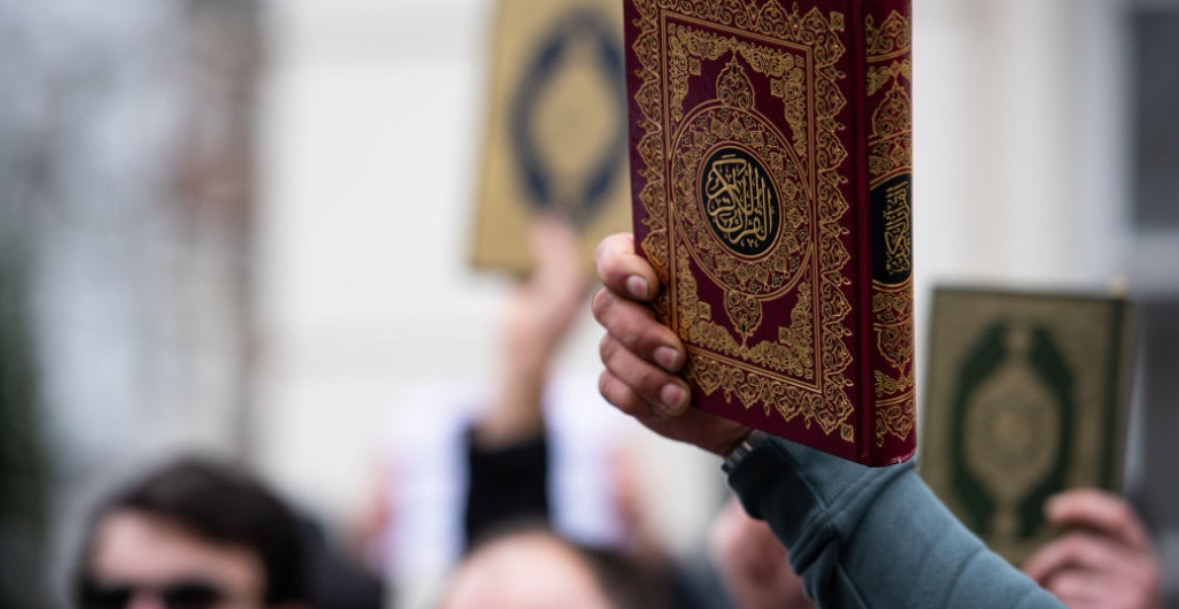
A 50-year-old man from London has been charged after setting fire to a copy of the Quran outside the Turkish consulate, an act that has ignited controversy over accusations of blasphemy and disorderly behaviour.
The incident occurred during a demonstration meant to show solidarity with an Iraqi asylum seeker who was fatally shot in Sweden after burning multiple copies of the Quran, and was also aimed at protesting Turkey’s Islamist-leaning leadership under Recep Tayyip Erdogan.
The UK Crown Prosecution Service has formally charged the man with disorderly behaviour committed within the hearing or sight of a person likely to experience harassment, alarm or distress.
Authorities allege that during the incident he not only burnt the Quran but also shouted offensive remarks targeting Islam, displaying a clear hostility towards the religious group.
In response to a right-wing backlash, the CPS revised the charges to better reflect the intended offence, basing the new charge on the perpetrator’s intent to cause harassment, alarm or distress against members of the Islamic community. This development has sparked a broader debate in Britain over the potential re-emergence of ‘blasphemy laws’—a legal concept that was abolished in England and Wales in 2008.
The case has drawn criticism from both secular groups and Muslim organisations. Secular activists argue that any attempt to charge individuals on grounds of blasphemy undermines the freedom of speech protections established when those laws were repealed.
Meanwhile, representatives from the Muslim community condemn the burning of the Quran as deeply offensive and a deliberate attempt to incite hatred, urging the public not to give extremists further attention.
This incident has also reignited discussions about the balance between safeguarding free expression and preventing hate speech under current UK legislation.
The controversy comes at a time when the government faces pressure from various quarters to maintain robust legal measures that protect both free speech and community harmony.
Authorities continue their investigation, with further details yet to be released regarding the man’s background or his immigration status.
The case remains a highly sensitive issue amid ongoing debates about extremism and the appropriate limits of protest in the modern legal framework.
