
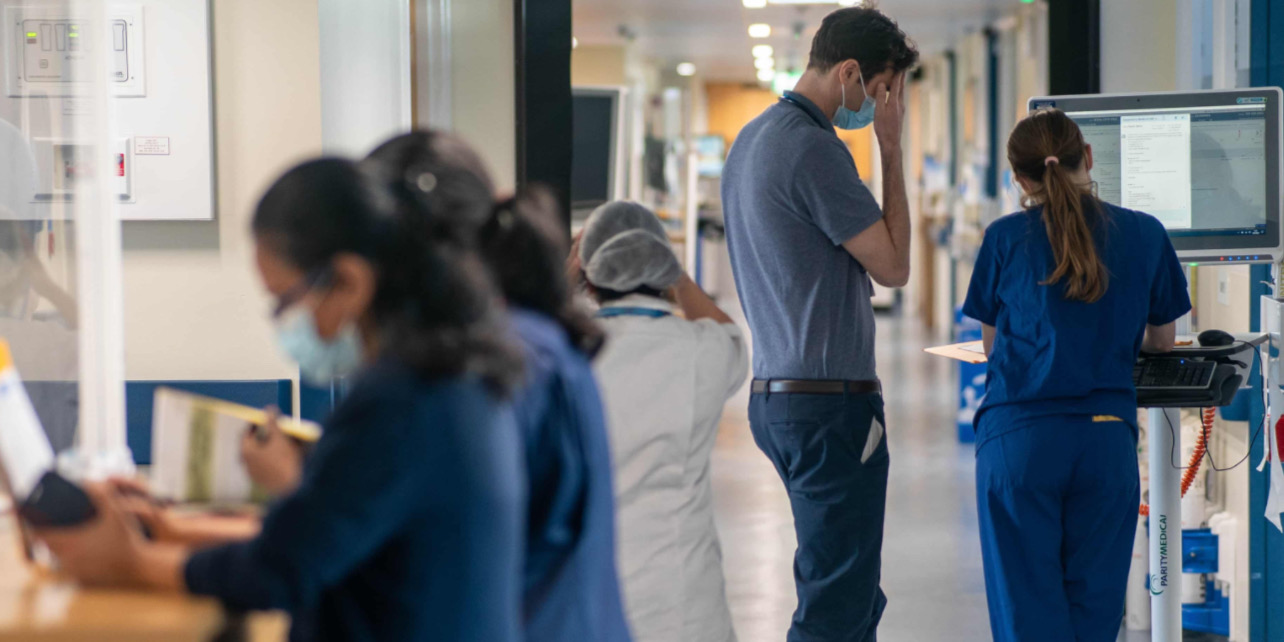
Hospitals across England are reducing staff numbers, closing services, and preparing to limit patient care as part of a drastic NHS financial reset aimed at preventing a projected £6.6 billion deficit.
Under the direction of NHS England’s chief executive Sir Jim Mackey, all 215 NHS trusts have been ordered to implement unprecedented savings during the 2025–26 financial year. Trust leaders warn that cuts of up to 12% of their budgets could seriously impact patient care and waiting times.
Rehabilitation centres, talking therapy services, and end-of-life care beds are among the areas facing reductions. Additionally, trusts are planning to eliminate up to 1,500 staff posts each, including clinical roles, to meet cost-saving targets.
According to Saffron Cordery, interim chief executive of NHS Providers, the savings targets are “eye-wateringly high” and will prove extremely challenging to deliver without consequences for patients.
Despite the government injecting an additional £22 billion into the NHS over the past two years, hospitals are being forced to scale back services due to continued financial pressures. A recent survey of 160 senior NHS leaders from 114 trusts found that nearly half are already cutting services, with more than a third reducing clinical posts.
Some of the most affected areas include diabetes services for children and virtual ward programmes, which allow patients to receive hospital-level care at home.
In east London, Barking, Havering and Redbridge University Hospitals NHS Trust is attempting to save £61 million this year—double the amount it cut last year. The trust is reducing 115 corporate service roles and slashing agency and temporary staff shifts by over a third, potentially affecting patient safety.
Chief executive Matthew Trainer admitted that fewer staff on duty could have “adverse effects on patients”, though he assured that steps would be taken to mitigate risks and maintain quality care.
Elsewhere, trust leaders have voiced serious concerns over how such deep savings can be achieved without compromising essential services. One chief executive stated plainly: “I don’t know how I’m going to do it.”
Cordery added that cuts of this scale could undermine the government’s own commitments to reduce waiting times and transform NHS services over the next decade.
The Department of Health and Social Care responded by emphasising its investment of an extra £26 billion into the health and care system, saying it is focused on cutting bureaucracy, improving productivity, and protecting frontline services.
However, NHS leaders warn that without clear political support and public understanding, these changes—however necessary—could erode trust and harm the standard of patient care across England.