
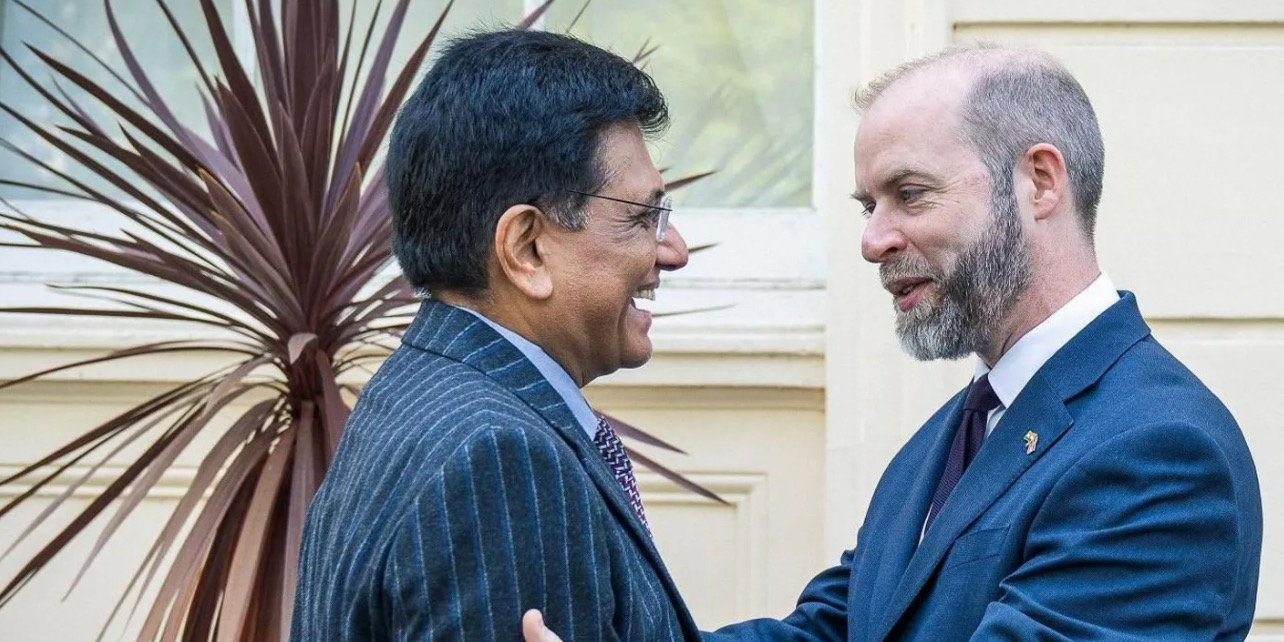
The UK government has strongly defended its new trade agreement with India, rejecting claims that the deal could put British workers at a disadvantage. Business Secretary Jonathan Reynolds said there was “no situation” in which British employees would be undercut, despite opposition concerns about tax exemptions for Indian workers on short-term visas.
At the heart of the controversy is a provision extending exemptions from National Insurance contributions (NICs) for workers on short-term assignments — from one to three years. Critics argue this could make Indian workers cheaper to hire, especially after recent increases in UK employer NICs.
However, Reynolds argued the move mirrors existing double-taxation agreements the UK holds with more than 50 countries, including the US, EU, and South Korea. “This does not undercut British workers,” he said, adding that similar deals were signed by previous Conservative governments.
Opposition Parties Slam the Agreement
Conservative MP Kemi Badenoch, a former business secretary, said she had rejected a similar proposal due to the “two-tier tax system” it creates, warning it could cost the UK “hundreds of millions.” Reform UK leader Nigel Farage called the deal “appalling,” while Liberal Democrat deputy leader Daisy Cooper said it risks undercutting UK workers already hit by global economic strains.
Despite this backlash, Reynolds insisted Indian workers would still pay the NHS surcharge and would not access UK social benefits.
Major Boost for UK Exports and Job Creation
The agreement, which took three years to finalise, is expected to significantly increase bilateral trade, which already reached £42.6 billion last year. The UK government projects an additional £25.5 billion in annual trade by 2040. The deal will lower tariffs on British exports like whisky and cars while cutting import taxes on Indian goods such as clothing and jewellery.
For the Scotch whisky industry, the reduction in tariffs from 150% to 75% — and eventually 40% over ten years — is being hailed as a “gamechanger.” Jean-Etienne Gourgues, chair of the Scotch Whisky Association and CEO of Chivas Brothers, said the agreement will make Scotch affordable for 10 million new consumers in India and is expected to generate 1,200 UK jobs over the next five years.
Unprecedented Access to Indian Public Contracts
Another major win is UK access to India’s public procurement market, valued at over £38 billion annually. For the first time, British firms will be eligible to bid on approximately 40,000 Indian government tenders.
Reynolds called the deal the largest since Brexit and a “huge economic win,” especially for regions like Scotland, the North, and the Midlands, where many of the affected industries are based.
