
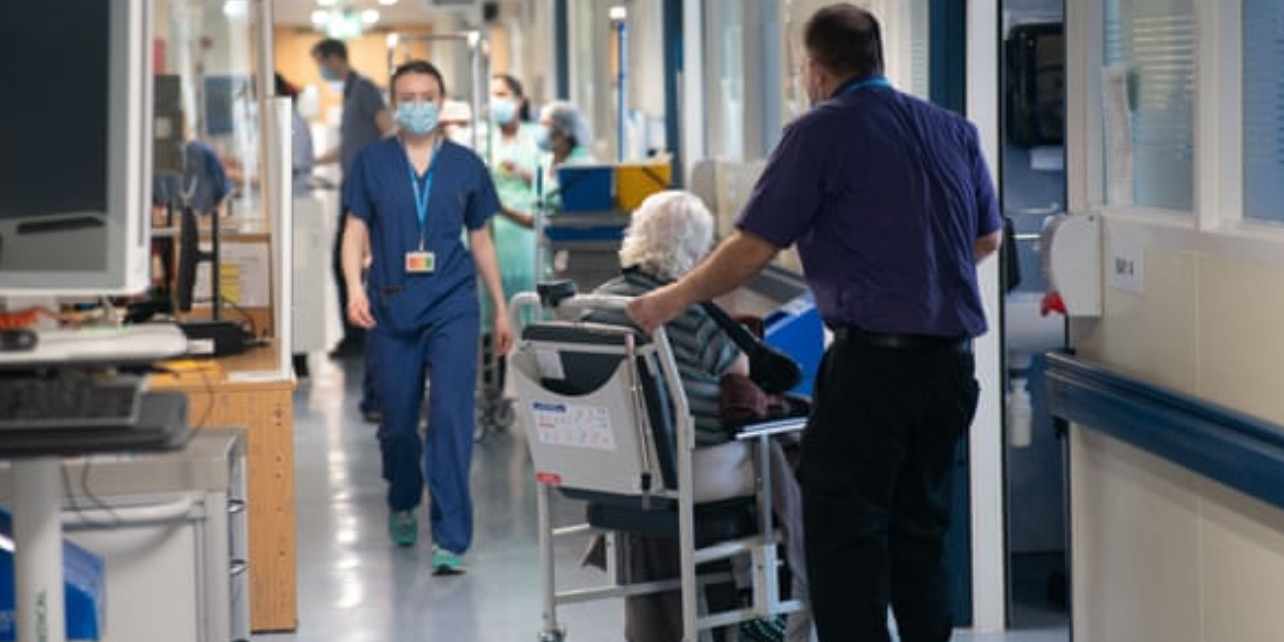
More than one million elderly people in England were left waiting over 12 hours in A&E departments in 2024, as pressure on emergency services reached critical levels.
Many of these individuals, aged 60 and over, were subjected to prolonged waits in corridors on trolleys—conditions described as degrading and undignified by healthcare leaders.
According to data released by the Royal College of Emergency Medicine (RCEM) through freedom of information requests, 1.15 million older people faced extended waits last year, a sharp rise from 991,068 in 2023 and more than triple the figure recorded in 2019.
The report highlights a worrying trend: the older the patient, the more likely they are to experience long delays.
Those aged between 60 and 69 faced a 15% chance of waiting more than 12 hours, while the risk rose to 33% for people aged 90 and above.
The RCEM’s findings reveal not only dangerous delays but also significant gaps in clinical care for older patients.
Only 16% of patients over 75 were screened for delirium—a common yet reversible condition linked to increased mortality.
Less than half were assessed for their risk of falls, despite this being a key concern for elderly patients in emergency settings.
Healthcare professionals have raised alarm over what they describe as a systemic failure to provide timely and dignified care. Dr Adrian Boyle, President of the RCEM, said the situation reflects a healthcare system failing its most vulnerable.
He warned that long waits in emergency departments are particularly hazardous for older adults, putting their health and lives at serious risk.
Dr Nick Murch, President of the Society for Acute Medicine, echoed these concerns, calling the prolonged waits in unsuitable environments such as corridors “a matter of grave concern”.
He said the dedication of healthcare staff is being undermined by a system that normalises delays which should be rare exceptions.
In response, the RCEM is calling for urgent reforms, including the implementation of ‘front door frailty screening’ in all emergency departments—a policy already being rolled out in Scotland. The college stressed that without meaningful government intervention, the crisis in A&E will continue to disproportionately impact older people.
A spokesperson for the Department of Health and Social Care described the long waits as “unacceptable” and outlined the government’s plans to address the issue.
These include a £26 billion investment in the NHS and social care over the next two years, measures to reduce waiting times, and initiatives under a 10-year health plan aimed at improving emergency care access and increasing GP availability.
Key SEO phrases: elderly patients A&E England, 12-hour hospital wait times, emergency department crisis UK, NHS delays older people, frailty screening A&E, Royal College of Emergency Medicine report, corridor waits hospital UK.
