
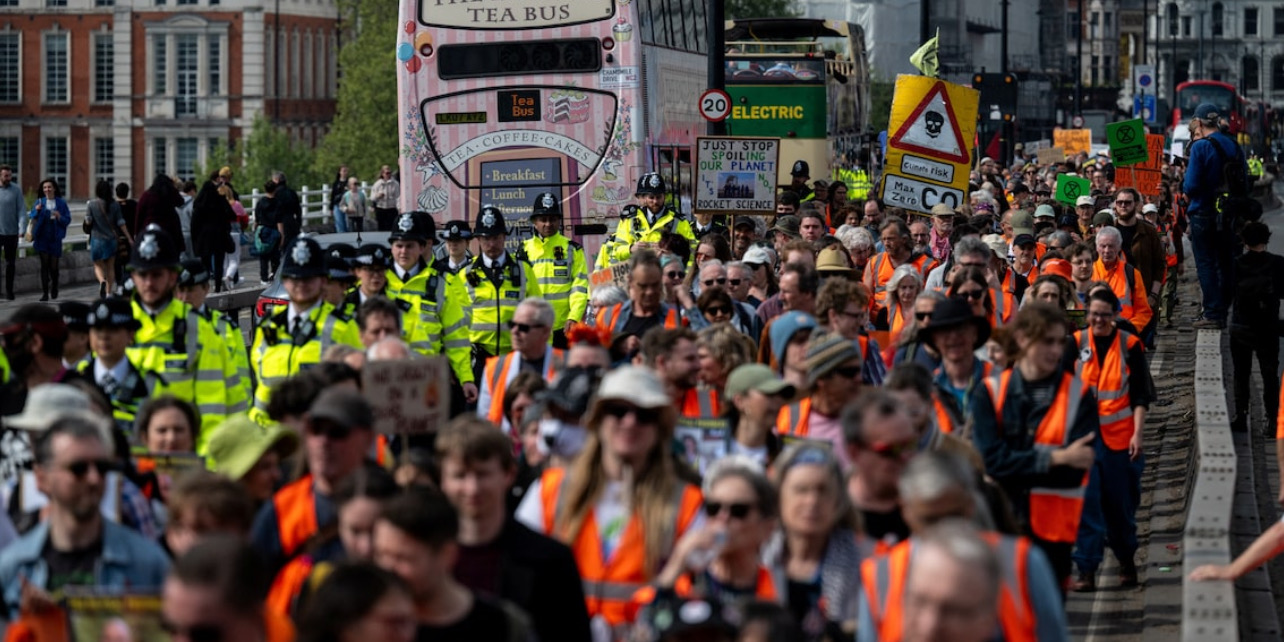
In a major legal setback for the UK government, the Court of Appeal has rejected expanded police powers on protests, ruling that attempts to lower the threshold for imposing conditions on demonstrations were unlawful. The ruling upholds a legal challenge by civil rights group Liberty, which hailed the decision as a “huge victory for democracy.”
The appeal stemmed from changes made to the Public Order Act by the previous Conservative government, which sought to give police greater authority to restrict protests likely to cause “more than minor disruption.” Liberty successfully argued that this move gave law enforcement near-unlimited powers to curtail protests and exceeded the government’s legislative authority.
The Home Office—Britain’s interior ministry—contended that ministers had the power to make such changes without introducing new legislation. However, the Court of Appeal firmly disagreed, affirming the High Court’s 2024 decision that the government’s amendments to protest law were unlawful.
Liberty Calls for Full Repeal of Protest Restrictions
Liberty’s director, Akiko Hart, urged the government to “accept this ruling and agree to scrap this unlawful legislation once and for all.” The group had pointed to high-profile incidents, including the arrest of climate activist Greta Thunberg, to highlight the overreach of the law—though Thunberg was later acquitted.
The amended Public Order Act allowed police to impose conditions on protests if they were likely to cause anything more than a minor disruption to community life. Liberty argued this vague threshold could be used to stifle legitimate protest and suppress freedom of expression.
Uncertain Next Steps for Protest Law
The Court of Appeal did not immediately issue a final decision on whether the legislation will be formally quashed. That judgment is expected in the coming weeks. Meanwhile, the Home Office has not issued a response to the latest ruling.
The ruling represents a pivotal moment in the ongoing debate over balancing public order and the right to protest in Britain—particularly in the wake of climate demonstrations and other direct action campaigns.