
Campaigners have sharply criticised Scottish ministers for failing to deliver on their promise to improve access to later-term abortion services, leaving vulnerable women with no choice but to travel hundreds of miles to clinics in England.
The warning comes as new figures reveal a steady rise in Scottish women undergoing abortions after 20 weeks outside the country due to the absence of adequate provision north of the border.
Currently, none of Scotland’s 14 regional health boards offer abortion care beyond 20 weeks gestation, except in cases involving severe foetal abnormality or a threat to the woman’s life—despite abortion being legal on broad grounds up to 24 weeks across the UK.
Campaigners argue this constitutes a breach of both legal and ethical obligations, pointing to a systemic stigma surrounding later abortions within the Scottish NHS.
Instead, women in need of later-term care are being referred to the British Pregnancy Advisory Service (BPAS), a charity that arranges treatment in England. The journey is often emotionally and financially draining for women already in crisis.
Lucy Grieve, co-founder of Back Off Scotland, described the majority of women seeking abortions after 20 weeks as “extremely vulnerable”, citing cases involving domestic abuse, addiction, or young women fearful of disclosing their pregnancy.
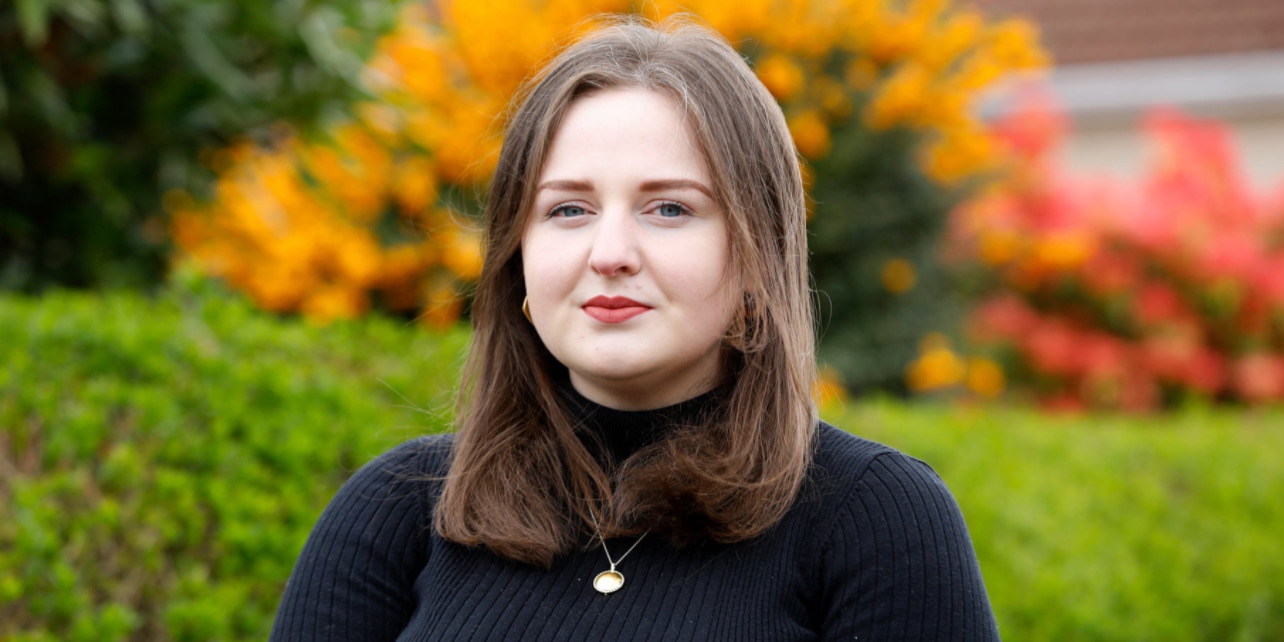
Ashley, a 23-year-old from Scotland, found herself 19 weeks pregnant despite using contraception. She said she was “mentally and financially unprepared” to have a child. At her scan, she was told: “There’s nothing we can do for you in Scotland.” She was subsequently referred to BPAS in Middlesex.
While praising the care received at the clinic, Ashley said the entire ordeal was traumatic. “We had to spend hundreds of pounds on the journey, and were met by anti-abortion protesters at the door. It all added to the trauma,” she said. “No woman should have to go through that. If I’d had access to care in Scotland, it would have been a completely different experience.”
In 2024, BPAS treated 88 women from Scotland—up from 67 the previous year. An internal NHS Scotland admission, uncovered by STV News through a freedom of information request, acknowledged this situation amounts to “an explicit inequality in service provision”.
Grieve argues that a deep-rooted stigma within the system is partly to blame. Currently, only two doctors in Scotland are qualified to carry out later-term abortions, but no health board is prepared to host them. “This is both unusual and dangerous,” she warned.
BPAS chief executive Heidi Stewart branded the current situation “unacceptable”, revealing that offers from BPAS to collaborate on establishing a Scottish-based service have been ignored.
“It is deeply unjust that women in Scotland cannot access care closer to home while others across the UK can,” she said.
Anti-abortion demonstrations have also intensified in recent months, with US-funded group 40 Days for Life staging protests across Scotland.
While newly introduced buffer zones around sexual health clinics have been largely observed, police arrested a protester in February for allegedly breaching the exclusion area outside a Glasgow hospital.
In a separate incident earlier this month, another activist was convicted for violating a buffer zone in Bournemouth. Their case has since been referenced by the US State Department in a report on freedom of expression.
