
The UK’s inflation rate rose unexpectedly in January, reaching 3%, according to the Office for National Statistics (ONS). This marks an increase from 2.5% in December, raising concerns about household expenses and reducing the likelihood of an interest rate cut next month.
Rising Food and Education Costs Drive Inflation Up
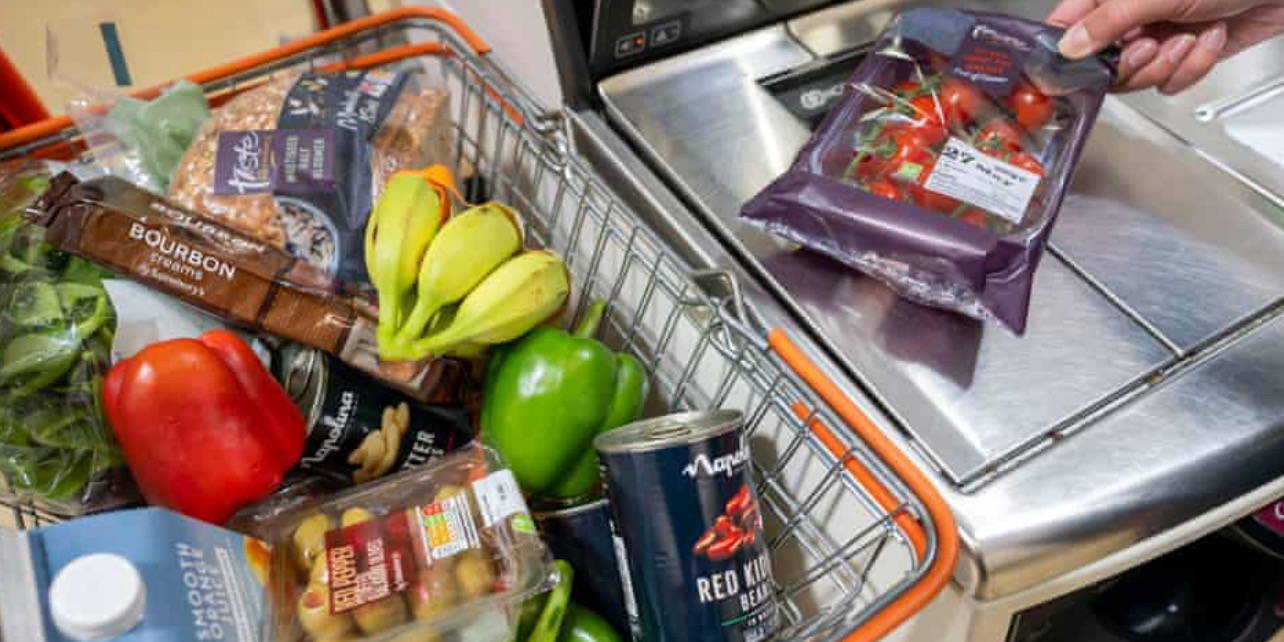
Economists had predicted a smaller increase, estimating 2.8% inflation for January. However, higher food prices, particularly for meat, bread, and cereals, contributed to the rise. Additionally, an increase in private school fees—following the removal of a VAT exemption—led to a sharp 7.5% rise in education costs, up from 5% in December.
Meanwhile, airline fares dropped in January but not as significantly as expected. This, along with rising fuel costs, pushed the transport inflation rate to its highest level since February 2023.
Bank of England Unlikely to Cut Interest Rates Soon
The unexpected rise in inflation has dampened expectations for interest rate cuts. City investors have now lowered the probability of a March interest rate cut to just 15%, down from 24% before the data was released. However, financial analysts still anticipate two rate cuts by the end of the year.
Dean Butler, director at Phoenix Group, stated that the rise in inflation suggests that the Bank of England may hold off on aggressive rate cuts, delaying relief for borrowers and mortgage holders.
Government and Economic Concerns Over Inflation
Chancellor Rachel Reeves acknowledged the ongoing challenges, despite improvements in real wage growth. She emphasized her commitment to increasing disposable income, noting that inflation-adjusted wages have grown at their fastest rate since the election, equating to an extra £1,000 per year for workers.
However, government officials remain concerned that rising inflation through spring and summer may lead to higher wage demands from public sector workers. The Treasury is closely watching the impact on government borrowing costs, which could increase beyond previous Office for Budget Responsibility (OBR) projections.
Future Inflation Outlook and Business Pressures
The Bank of England forecasts that inflation could rise to 3.7% later this year, driven by increasing energy and utility bills. Businesses are already facing higher costs, with national insurance and minimum wage hikes set to take effect soon.
Despite the current increase, some economic experts believe the inflation spike is temporary. The National Institute of Economic and Social Research expects inflation to decline in the coming months, citing base effects as the primary driver of the January surge.
Education Costs Soar Amid VAT Changes
The latest ONS data highlights a sharp rise in private school fees, which jumped by 12.7% in January. The removal of VAT exemptions for private education has significantly contributed to this increase. The education sector’s annual inflation rate is now 7.5%, up from 5% in December 2024.
With inflationary pressures persisting, households, businesses, and policymakers will be closely monitoring upcoming economic forecasts to assess whether relief is on the horizon.
