
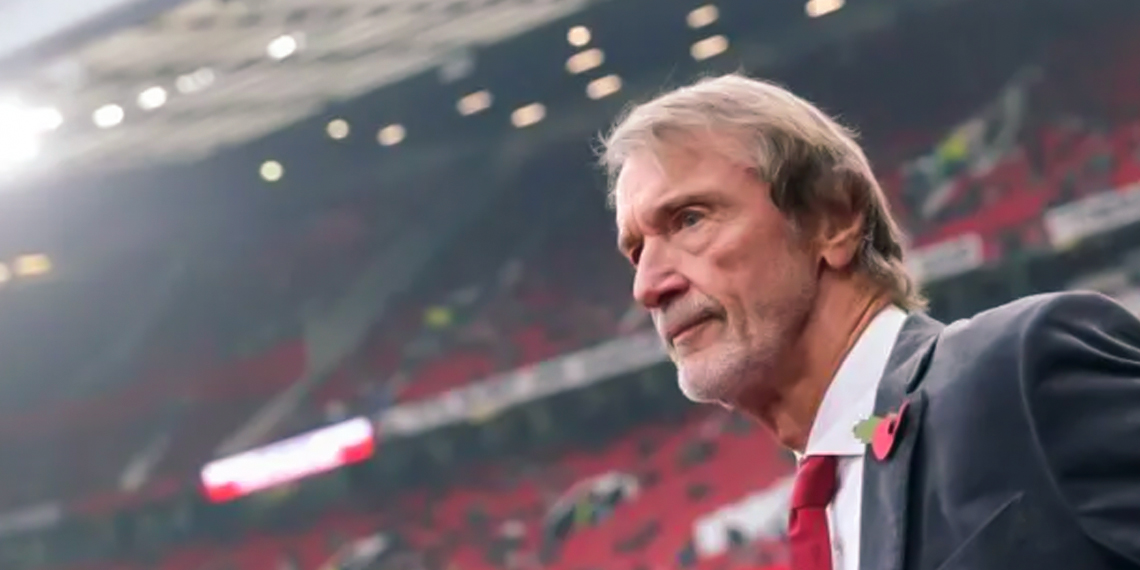
Manchester United is preparing for another round of job cuts as co-owner Sir Jim Ratcliffe and his company, Ineos, look for ways to reduce costs. With the club reporting nearly £300 million in losses over the past three years, sources describe the financial situation as “unsustainable.”
Reports suggest that Ineos is considering 100 to 200 redundancies, although final decisions on affected departments and timelines will be made in the next two weeks. The club is also reviewing the future of its London office in Kensington, though officials insist that Manchester United will maintain a presence in the capital for commercial operations.
Cost-Cutting to Prioritize First-Team Investment
This latest move follows previous redundancies of 250 staff under Ineos ownership, as well as the removal of Sir Alex Ferguson’s paid ambassador role and the end of free staff travel to finals. The savings from the previous cuts were estimated at £45 million annually, with Ineos arguing that these measures allow for greater investment in the first team.
Meanwhile, long-serving head of team operations Jackie Kay—who has been with the club for nearly 30 years—will be leaving.
Ratcliffe’s Vision: More “Difficult and Unpopular” Decisions
Since securing a £1.25 billion stake in Manchester United in February 2024, Ratcliffe has led a major restructuring at Old Trafford, including:
• Appointing Dan Ashworth as Sporting Director, Omar Berrada as CEO, and Jason Wilcox as Technical Director
• Sacking Erik ten Hag, despite initially keeping him as manager, costing the club £10.4 million in compensation
• Hiring Ruben Amorimfrom Sporting CP for £11 millionas his replacement
• Spending over £200 million on new player signingswhile offloading Scott McTominay (Napoli), Marcus Rashford (loan to Aston Villa), Jadon Sancho (loan), and Antony (loan)
Ratcliffe has also raised matchday ticket prices to £66 per game, eliminating concessions for children and pensioners, a move that has drawn criticism from fans.
Manchester United’s Financial Challenges Continue
The club’s latest financial reports show a £113.2 million net loss in the year ending June 30, 2024, following losses of £28.7 million in 2022-23 and £115.5 million in 2021-22. In total, the club has lost over £370 million in the past five years.
Although Manchester United’s commercial revenue has grown significantly—from £81.4 million in 2010 to £302.9 million in 2024—the club is struggling with the stalling growth of broadcasting revenues. This has forced United, like other top-flight clubs, to explore new revenue streams.
Stadium Plans Still Uncertain
Ratcliffe has invested £300 million into Carrington training ground upgrades and planning for a potential new stadium. However, the club is still weighing two costly options:
• Building a new stadium—estimated at over £2 billion
• Rebuilding Old Trafford—a project that could cost £1.5 billion
A decision on the future of Old Traffordis yet to be made.
Ineos Faces Wider Financial Challenges
Ineos’ cost-cutting strategy extends beyond Manchester United. The company recently ended its sponsorship of New Zealand Rugby, citing financial constraints and blaming high energy taxes and deindustrialization in Europe. This decision has led to legal action from New Zealand Rugby, which claims Ineos breached its contract by withdrawing three years early.
Additionally, Ineos recently ended its partnership with Olympic sailing champion Ben Ainslie, cutting ties with the Britannia America’s Cup team after six years of sponsorship.
Manchester United’s On-Pitch Struggles
Despite the financial shake-up, Manchester United remains in a difficult position on the field. The team currently sits 13th in the Premier League, trailing leaders Liverpool by 27 points and falling 14 points behind the top four. However, they have advanced to the FA Cup fifth round and the Europa League last 16.
With Ineos pushing for financial sustainability, United fans will be watching closely to see whether these cost-cutting measures deliver results on the pitch.
