
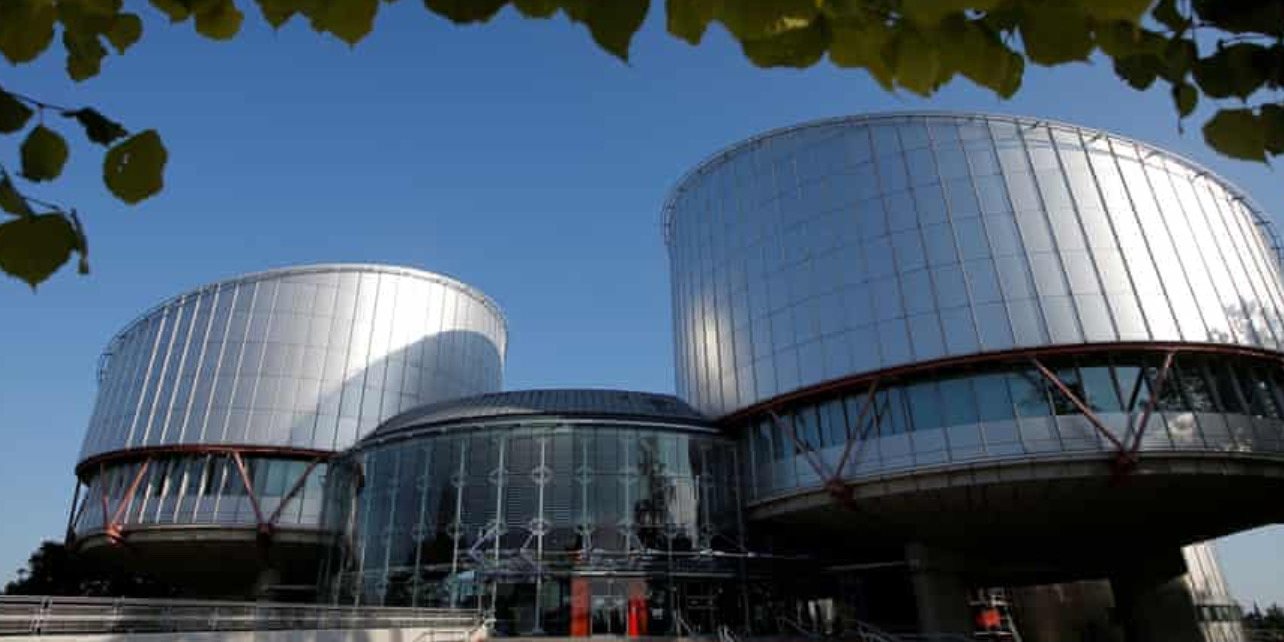
Two bereaved parents have filed a case at the European Court of Human Rights (ECHR), arguing that the UK government’s treatment of unmarried parents is discriminatory. Jyotee Gunnooa and Andrew Byles, who lost their partners, were denied financial support available to widowed parents because they were not married or in a civil partnership at the time of their loss.
Although legal changes in 2023 allowed them to make backdated claims, payments were only available from August 30, 2018, onwards. As a result, the families missed out on thousands of pounds, according to lawyers from Leigh Day, who are now fighting for equal treatment for all bereaved parents.
Legal Ruling Left Thousands Without Full Support
Previously, the Widowed Parent’s Allowance (WPA) was only available to those whose spouse or civil partner had died. In 2018, the UK Supreme Court ruled that excluding unmarried parents from receiving the benefit was illegal. However, it wasn’t until February 2023 that the new bereavement support payment system was extended to all parents, regardless of marital status.
While this change allowed thousands of families to make backdated claims, the government restricted payments to losses after August 30, 2018. This cut-off date has left many families without the full financial support they would have received had the law been applied fairly.
Families Missed Out on Thousands in Support
For Gunnooa, who lost her partner in October 2016, the restriction cost her family £16,000 in financial support. Left to raise their three-year-old son alone, she struggled financially while also caring for a child with special needs. She described the impact of this policy:
“My son has been a victim of discrimination simply because his parents weren’t married. This money would have helped us navigate the financial challenges after my partner’s death. Instead, I’ve faced years of stress trying to make ends meet, all while grieving and raising my son.”
Byles, whose partner passed away in 2017 after a decade-long battle with cancer, missed out on £14,000. He explained how financial hardship forced him back to work almost immediately after his loss:
“I had to return to work almost immediately but was only able to get part-time work, as I needed to be free for school runs and to support my children through that very hard time. I had to take on debt just to keep providing for my family, which was incredibly stressful.”
Legal Challenge Aims for Equal Treatment of Bereaved Families
The case, now before the European Court of Human Rights, challenges the government’s decision to limit backdated payments and seeks equal treatment for all bereaved children and parents.
Leigh Day lawyers argue that the cut-off date creates financial inequality, leaving many grieving families in unnecessary hardship. If the claim is accepted, the court will determine whether the UK’s approach violates human rights laws and whether families should receive full compensation for missed payments.
The ruling could have significant implications for thousands of bereaved families across the UK who were affected by the delayed expansion of bereavement benefits.
