
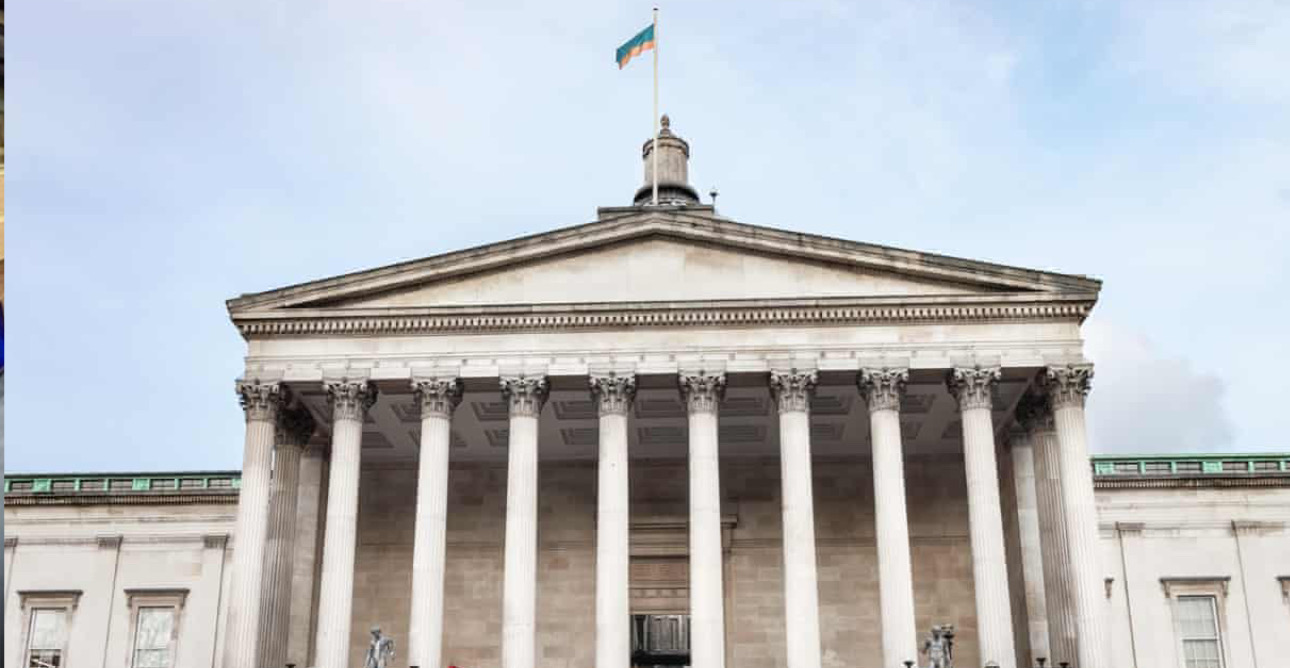
Ghanaian students studying at UK universities say they are at risk of deportation after being left without promised scholarship funding by their own government, triggering a growing crisis across campuses in Britain.
More than 100 Ghanaian doctoral students have petitioned Downing Street and Prime Minister Keir Starmer, urging the UK government to intervene and press Ghanaian authorities to settle millions of pounds in unpaid tuition fees and living allowances.
The funding shortfall has left some students facing eviction, mounting debt and the threat of removal from the UK after universities withdrew their registrations due to non-payment.
Prince Komla Bansah, president of the affected students’ group, said the situation has already led to deportations.
“For most of these students, I don’t know how they survive,” he said. “Some of them may be working part-time but it’s very hard to do that while studying for a PhD. From what I can gather from our meetings with the students, a lot of them are in debt and getting loans from back home.”
According to the petition sent to Downing Street, the crisis “is so severe that some colleagues are now facing court cases over unpaid rent. To survive, some have had to depend on food banks because they have no money to feed themselves.”
The students are enrolled at universities across the UK, including University College London, Robert Gordon University in Aberdeen, and the universities of Nottingham, Bradford, Warwick, Lincoln and Liverpool.
Several students say their fees have not been paid since 2024, preventing them from graduating, submitting academic work or accessing university facilities. Others report missing living allowance payments for more than three years.
Bansah also said the Ghanaian government has failed to renew official letters of support required for international students to remain in the UK.
“We all agree that the new government only came into power in January but the reality is that the government was already aware of the situation and it still hasn’t made the payments,” he said.
“Meanwhile, there is evidence that they have still awarded foreign scholarships, so why are they still awarding scholarships when they know there is still a major problem with the UK?”
Ghanaian officials have acknowledged a significant backlog. Authorities said President John Mahama’s new administration inherited unpaid scholarship debts to around 110 UK institutions, estimated at £32 million.
Alex Kwaku Asafo-Agyei, registrar of the Ghana Scholarship Secretariat, said an audit of scholarships awarded by the previous administration is ongoing and new UK scholarships have been paused.
After taking office in April, Asafo-Agyei said he travelled to the UK on a “fact-finding mission” and agreed instalment plans with some universities, though he acknowledged that some institutions later withdrew from the arrangements.
He said Ghana had made “significant payments to our partner institutions in the UK and we have agreed to amicably resolve these issues so that our students are not at a loss”, but declined to disclose how much of the debt has been settled.
The situation mirrors similar crises faced by international students elsewhere. Earlier this year, more than 180 Ghanaian students at the University of Memphis in the US raised concerns over missing payments. Nigerian students protested in London in 2020 after losing course places, while hundreds of South African students in Russia recently faced eviction due to delayed government funding.
For Ghanaian students in the UK, the uncertainty continues — with many warning that without urgent action, more could lose their studies, legal status and livelihoods.