
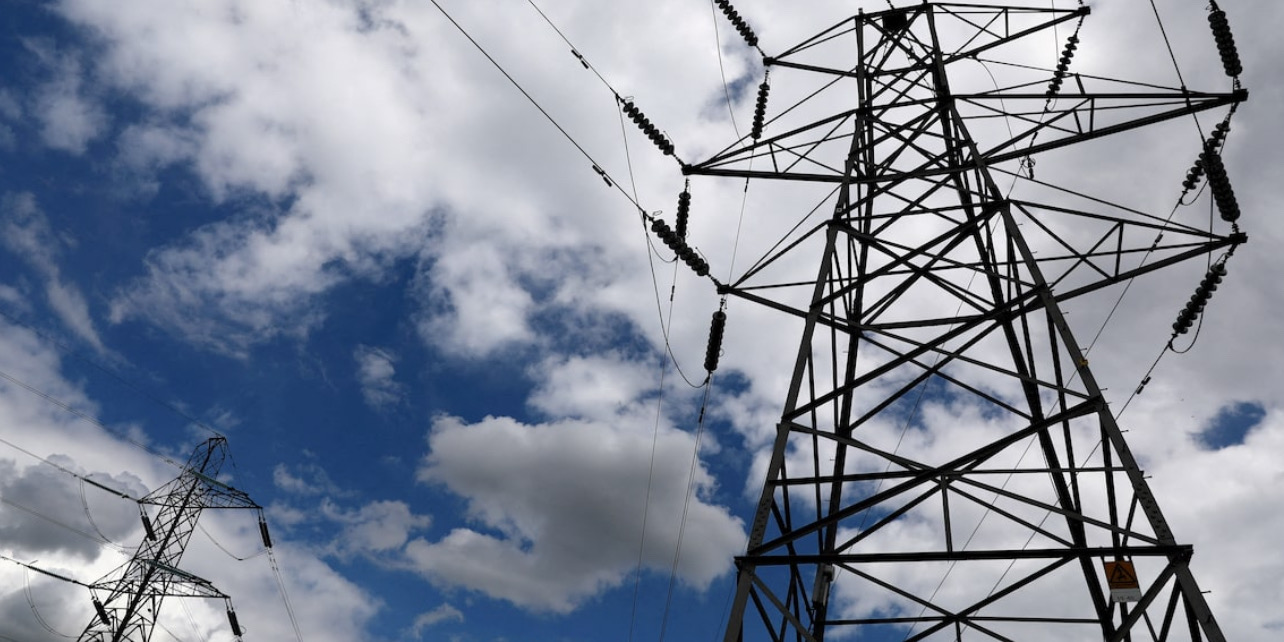
Britain’s energy regulator has approved a sweeping £28 billion investment plan to upgrade the UK’s power and gas networks over the next five years, in a move designed to secure long-term energy reliability but which will add an estimated £108 a year to household bills. The decision comes despite government pledges to reduce energy costs, placing renewed pressure on ministers to justify the balance between infrastructure upgrades and affordability.
Ofgem confirmed that the approved spending package exceeds its provisional July estimate of £24 billion, reflecting what it describes as urgent upgrades required to modernise the network. The regulator said the investment is critical to managing future demand, expanding low-carbon electricity capacity and protecting the UK from volatile global gas markets.
Jonathan Brearley, Ofgem’s CEO, stressed that the plan is essential for supporting the shift towards cleaner energy sources and enabling new industrial projects that will contribute to economic growth. He said the programme would “insulate the UK from the shocks of gas price volatility,” which has sharply impacted households in recent years.
How the Investment Will Be Funded
The upgrade will be financed through network charges applied to consumer energy bills. These charges already account for almost a quarter of the average household bill. Under the new plan, annual bills are expected to rise by £108, fuelling concerns among consumer groups during a period of wider cost-of-living pressures.
Ofgem reviews cost submissions and project designs from electricity and gas companies before issuing final approvals. The newly endorsed programme is one of the largest overhauls of the UK network in decades, aligning with national climate targets and long-term electrification goals.
Government: Upgrades Essential to “Keep the Lights On”
The Department for Energy Security and Net Zero said the investments are vital to ensuring uninterrupted supply and maintaining national energy security. The department argued that without major network reinforcement, the UK would struggle to accommodate rapidly growing electricity demand from electric vehicles, heat pumps and renewable generation.
Industry Reaction: Generally Positive but Cautious
SSE, owner of Scottish and Southern Electricity Networks Transmission, welcomed changes made to Ofgem’s original proposals and said it will review the full price-control package in the coming weeks.
National Grid also endorsed the decision, emphasising the need for substantial investment as electricity flows are expected to double in the years ahead. The company highlighted that an expanded and reliable network is necessary to support Britain’s green transition.
Campaigners at the End Fuel Poverty Coalition acknowledged the importance of improving energy reliability but warned that the approval must not be treated as “a blank cheque” for transmission companies. They stressed the need for strong regulatory oversight to ensure consumers are protected from unjustified cost increases.
UK Energy Costs and Transition Pressures
The announcement follows a turbulent two years for the UK energy market, marked by soaring wholesale gas prices, the collapse of dozens of suppliers and ongoing affordability challenges for households. Labour’s government has pledged to accelerate the shift to renewables and improve long-term energy stability, but faces criticism for rising costs during the transition period.
The new spending programme will shape the UK’s energy landscape through 2030, setting the foundation for expanded renewable generation, greater grid resilience and progress toward net-zero targets.
