
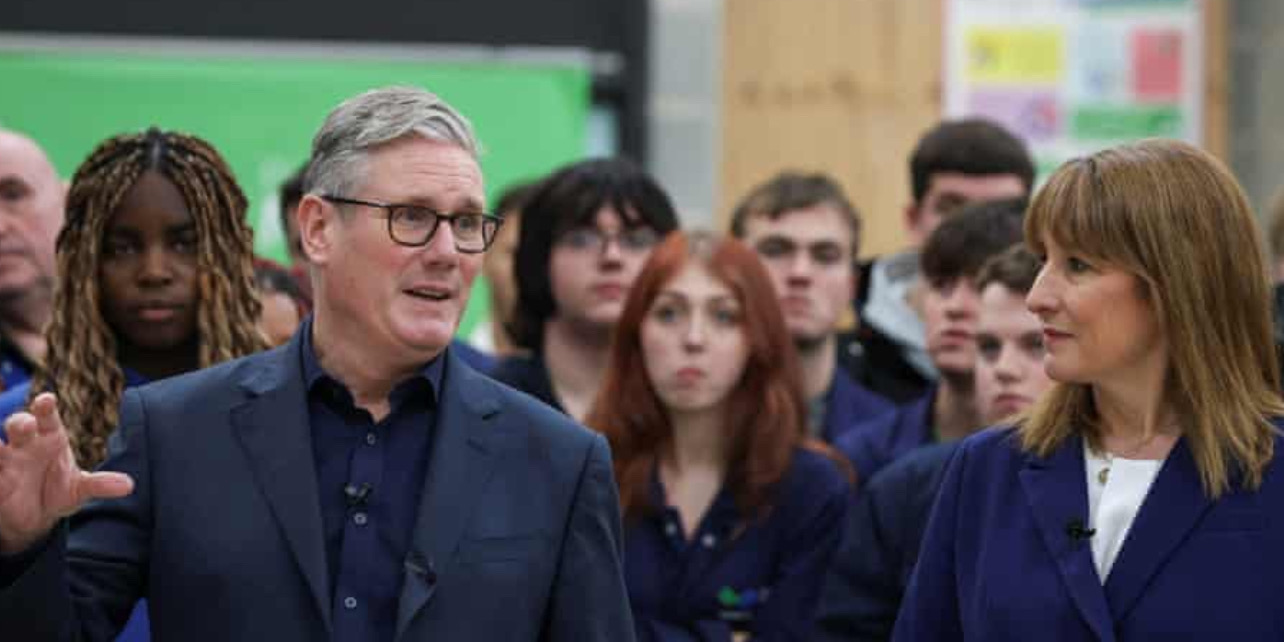
Prime Minister Keir Starmer has defended Labour’s long-term economic strategy, warning that the government’s overhaul will take years to deliver but will ultimately “renew Britain” and restore stability after what he described as a decade of decline. His comments come after a turbulent public reaction to last week’s budget and growing political attacks over Chancellor Rachel Reeves’s £26bn tax package.
In a lengthy article for the Guardian, Starmer hit back at criticism from both the Conservatives and Labour’s internal opponents, insisting Reeves was right to raise taxes to their highest level on record to safeguard the public finances and build headroom. He argued that the government should be judged not now, but at the end of the parliament, once the full multiyear plan has been implemented.
Starmer said the government is committed to delivering a clear mission focused on rebuilding the economy, strengthening communities and modernising the state, adding that long-term decisions will not be swayed by short-term political pressure. His intervention is part of a broader push to regain control of the narrative after days of criticism surrounding Reeves’s fiscal choices, accusations of misleading the public and renewed Conservative demands for her resignation.
Starmer Rejects Accusations of Misleading the Public
The Conservatives claim Reeves misrepresented the impact of downgraded forecasts by the Office for Budget Responsibility (OBR) to justify tax increases, despite later revisions showing improved wage growth and higher tax receipts. The Tory leader, Kemi Badenoch, said Reeves should resign, accusing her of alarming the public unnecessarily. Reeves has denied the claim, stressing that responsible budgeting required building fiscal space and addressing long-standing structural weaknesses. Senior Labour figures, including Chief Secretary to the Treasury Darren Jones, also rejected the accusation that ministers were misled, saying that OBR numbers shift repeatedly during the budget process.
Starmer described the attacks from both left and right as “politics of decline” and said Labour would resist calls for increased borrowing or austerity, arguing both approaches would destabilise the economy further. He emphasised that the government will take difficult decisions but will not return to the economic strategies of the past.
Government Plans Deregulation, Welfare Overhaul and Closer EU Ties
In a speech set for Monday, Starmer will outline a multiyear plan centred on deregulation to accelerate major infrastructure projects, welfare reform aimed at reducing long-term unemployment, and closer European cooperation in sectors that support growth. Business Secretary Peter Kyle has been tasked with identifying regulatory barriers to large construction and energy projects, while former health secretary Alan Milburn has been asked to examine how mental health and disability issues contribute to youth unemployment.
The prime minister also confirmed the government would push ahead with its welfare overhaul after earlier resistance from Labour backbenchers. Starmer said this work is essential to preventing vulnerable people being “written off”, highlighting that the welfare bill rose by £88bn under the Conservatives despite their tougher rhetoric.
Budget Fallout Continues Despite Market Approval
While financial markets responded positively to Reeves’s second budget—with UK borrowing costs falling to their lowest level this year—criticism continues inside Westminster. Some ministers privately complained they were not told earlier that OBR revisions had reduced the need for tax rises, arguing this allowed political attacks to escalate.
Opposition pressure escalated over the weekend, with Conservatives moving to summon Reeves to Parliament to give what they called a “full and honest account” of her decisions. Reeves said she stands by the budget, noting the government cannot rely on a £4bn perceived surplus when the country still faces deep structural challenges.
Meanwhile, pollsters at More in Common reported that the budget has not significantly shifted public opinion of Reeves. Before the budget, 61% of voters said she was performing poorly; afterwards, the figure was 60%, suggesting voters remain cautious but not dramatically swayed by the controversy.
UK Economy Under Intense Scrutiny
The debate comes after years of sluggish growth, repeated fiscal resets, and rising public debt. With inflation easing but pressures on services and households still high, Labour is under intense scrutiny to deliver credible long-term stability. Recent polling suggests voters support investment in infrastructure, NHS capacity, and skills development, but remain wary of tax increases. Starmer’s intervention signals Labour’s attempt to reset the conversation and assert that the government is following a structured long-term plan rather than short-term crisis management.
