
The number of refugees allowed to resettle in the UK through UN-facilitated schemes has fallen by more than a quarter in the past year, according to new Home Office statistics. In the year to September 2025, just 7,271 people were granted protection via official resettlement routes, down from 9,872 the previous year—a drop of 26%.
About half of those accepted were Afghans placed at risk after a major accidental data breach by a UK Ministry of Defence official. The breach exposed the personal information of nearly 19,000 Afghans applying for resettlement alongside their family members, prompting the government to launch an emergency Afghanistan Response Route.
Majority of Arrivals Linked to Afghan Schemes Triggered by UK Data Leak
Home Office figures show that 3,686 Afghans affected by the MoD data leak were admitted to the UK last year. A further 1,087 Afghan interpreters and aides to UK forces arrived under the Afghan Relocations and Assistance Policy (ARAP), while 1,658 others were accepted under the Afghan Citizens Resettlement Scheme (ACRS).
Another 830 people resettled through the UK Resettlement Scheme, which relies on the UNHCR to identify and refer the most vulnerable refugees. Under the smaller Mandate Scheme—designed for refugees with immediate family ties in the UK—just four people arrived, compared with 23 the year before.
Concerns as Family Reunion Route Suspended and New ‘Modest’ Pathways Proposed
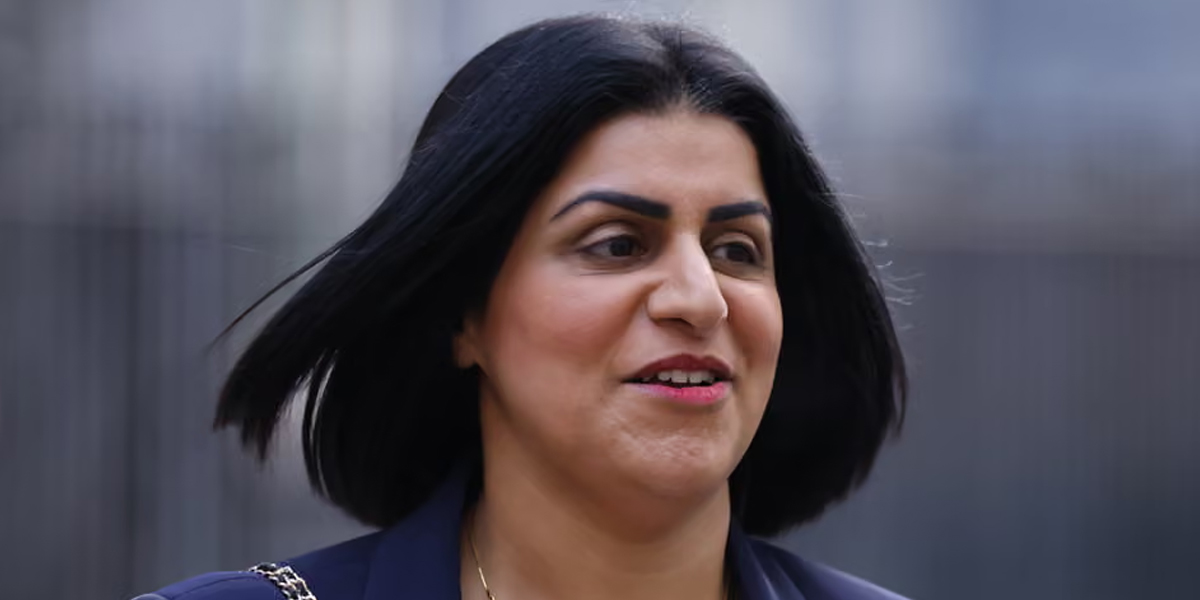
The data comes two weeks after home secretary Shabana Mahmood defended her tightening asylum strategy, promising three new “safe and legal” routes but warning they would admit only a “modest” number of people. The government suspended refugee family reunion in September, a route heavily used by women and children seeking to join relatives already in the UK.
Mahmood has also announced plans to end permanent protection for refugees, reassess claims every 30 months, accelerate removals of rejected applicants—including their children—and allow authorities to seize the assets of people who arrive via small boats.
The Home Office says the reforms are part of the most significant overhaul of the asylum system in modern times. Mahmood pledged that the new routes would prioritise people identified by the UNHCR, but the UN agency confirmed it is still awaiting details.
Refugee Council Says Fewer Legal Routes Will Drive People Toward Dangerous Journeys
Enver Solomon, chief executive of the Refugee Council, said the sharp fall in resettlement shows that the UK’s limited legal routes are “disappearing just when they’re most needed.” He warned that reducing safe pathways will push desperate people towards smugglers and irregular travel across the Channel.
He said family reunion—now suspended—had been a vital route for vulnerable women and children, and urged the government to publish annual resettlement targets.
“If the government wants to take on the gangs and stop Channel crossings, it must show how many people it intends to help each year and expand the safe routes available,” Solomon said.
Government Defends Approach Amid Channel Crossings and Asylum Backlog
The Home Office said the government remains committed to protecting “genuine refugees fleeing war and danger,” arguing that the new system will create clearer, more controlled legal pathways.
As part of its migration deal with France, the UK accepted 134 asylum seekers found to have valid claims and removed 153 individuals under the “one in, one out” arrangement, which swaps small-boat arrivals for refugees identified by French authorities.
Growing Political Pressure Over Channel Crossings
The resettlement decline comes at a time when the government is under intense pressure to reduce small-boat arrivals across the Channel. September saw renewed scrutiny of the UK’s asylum backlog, and ministers have faced criticism for failing to expand legal options while simultaneously increasing enforcement against irregular arrivals.
Charities and MPs have warned that without properly funded, robust resettlement pathways, the government’s deterrence strategy risks pushing more people into dangerous journeys rather than stopping them.
