
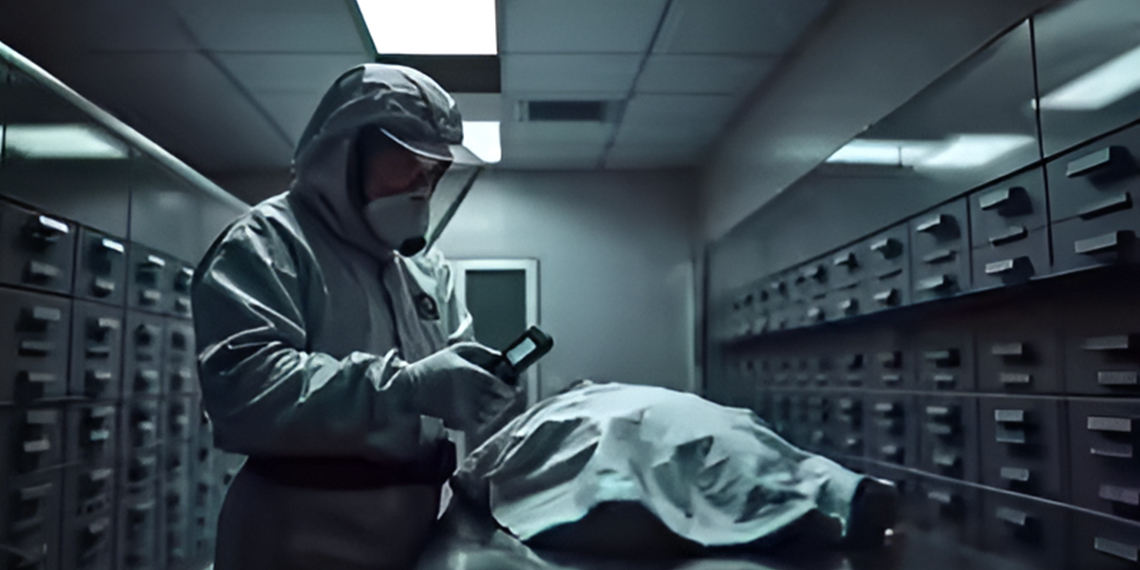
London morgue staff were exposed to highly dangerous gases after opening the coffins of British victims from the AI171 plane crash, a UK coroner has warned — raising urgent concerns about national safety standards for repatriated bodies.
A senior coroner has confirmed that workers at Westminster Public Mortuary were exposed to a cocktail of deadly gases when the remains of several British victims were returned from India. The bodies — among 53 UK nationals killed in the 12 June AI171 crash that claimed 241 lives — arrived wrapped and soaked in an extremely hazardous 40% concentration of formalin, far above safe handling limits.
Prof Fiona Wilcox, the senior coroner for Inner West London, said that once the coffins were opened it became immediately clear that mortuary staff were facing a significant chemical risk. Her findings were included in an official “Prevention of Future Deaths” report addressed to Housing Secretary Steve Reed and Health Secretary Wes Streeting.
Carbon monoxide and cyanide also found at dangerous levels
Alongside the excessive formalin, Wilcox reported that carbon monoxide and cyanide were detected inside the mortuary at levels considered dangerous to human health. These gases were found after the bodies were unwrapped, prompting an emergency response from police units trained in chemical, biological, radiological and nuclear (CBRN) incidents.
Emergency systems were activated, including environmental monitoring and the use of breathing apparatus. The coroner warned that many mortuary staff appeared unaware of the risks associated with high concentrations of formalin in repatriated remains and said most UK mortuaries are ill-equipped to handle bodies contaminated to this degree.
Formalin risks: carcinogenic and linked to leukaemia
In her report, Wilcox stressed that formalin contains formaldehyde, a substance classified as a carcinogen and linked to myeloid leukaemia. She urged ministers to introduce national guidelines to prevent future chemical exposure incidents, particularly when bodies are transported internationally.
The government now has 56 days to respond, outlining the actions they will take to improve safety for mortuary workers and strengthen chemical hazard protocols for repatriation cases.
The warning comes as UK authorities continue reviewing national aviation and disaster-response procedures following the AI171 crash, which raised broader concerns about international coordination during post-disaster repatriation. The coroner’s findings have intensified calls for updated training, better protective equipment, and clearer standards for handling chemically treated remains arriving from overseas.