
British wealth managers are reporting a sharp rise in savers withdrawing tax-free pension cash ahead of this month’s budget, amid growing concerns that the current favourable rules may be changed by the government.
Most UK savers can currently take up to 25% of their pension fund as a tax-free lump sum (subject to a limit of £268,275) under the existing rules.
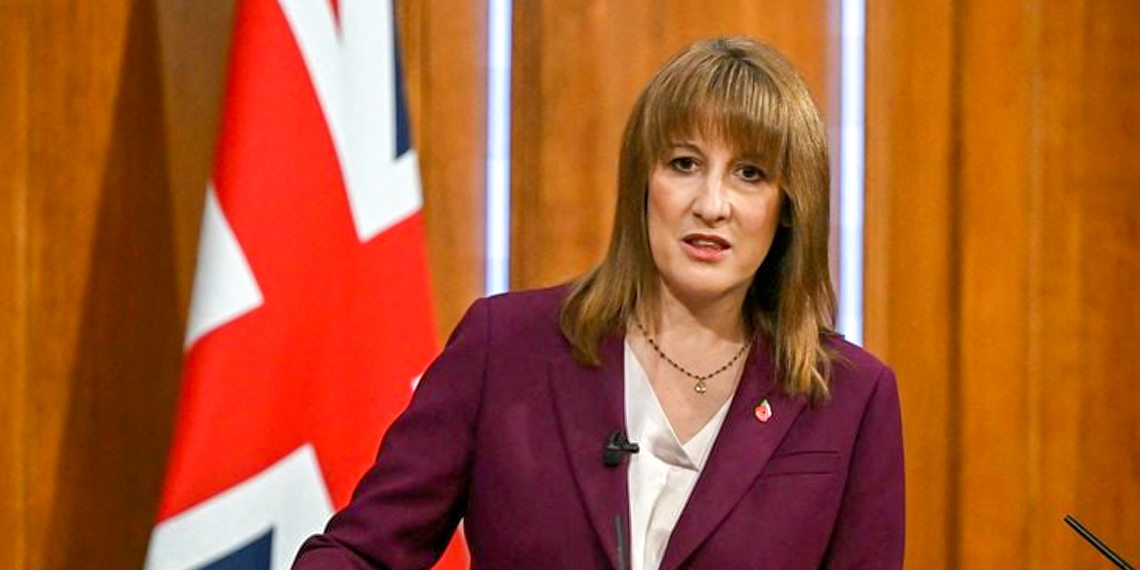
However, speculation has grown that Rachel Reeves — the Chancellor of the Exchequer — may look to reduce this allowance or otherwise tighten pension taxation as part of the upcoming budget. The government has warned it must make “hard choices” to stabilise public finances.
In that climate of uncertainty, many savers appear to be taking action now — triggering a pronounced increase in pension cash-withdrawals. Six of Britain’s major wealth managers, including Schroders and Aberdeen Standard Investments, told Reuters they had observed higher volumes of tax-free lump-sum requests.
Record Numbers: What the Firms Are Reporting
•Private bank Arbuthnot Latham — which serves high-net-worth clients — said pre-budget anxiety had pushed withdrawals up to 300% year-to-date compared with 2024.
•Investment platform AJ Bell noted that pension-cash-withdrawal requests in September and October exceeded the same period last year and were approximately three times higher than in 2023.
•Other firms such as Quilter and Phoenix Group described the spike as “significant” and “modest” respectively — although all agree the trend is clear.
Why the Tax-Free Lump Sum Is Under Pressure
The current tax-free lump sum system has long been criticised for disproportionately benefiting wealthier pension holders. The Institute for Fiscal Studies (IFS) noted that the upfront tax-free cash allowance is more generous relative to a reasonable benchmark, especially to savers who pay higher-rate tax.
In her recent pre-budget speech, Reeves signalled that tax rises may be unavoidable and did not rule out changes to pension tax concessions.
How Much Are People Withdrawing?
Data from the Financial Conduct Authority (FCA) indicates that pension withdrawals were already on the rise earlier this year — the amount withdrawn in the six months to March soared 76% compared with the same period a year earlier.
In the tax year 2024-25, tax-free pension cash withdrawals jumped by 61% to approximately £18 billion, up from about £11 billion the previous year — an unprecedented rush amid budget-speculation.
Risks and Considerations for Savers
Financial-advice firms caution that withdrawing pension cash pre-emptively can carry risks:
•Although the first 25% of a withdrawal may be tax-free, any amount beyond that is treated as taxable income and may push the saver into a higher tax band.
•There is a trade-off between accessing cash now and leaving funds invested for future retirement income. Taking large sums early might reduce long-term security.
•Decisions made in haste, driven by speculation rather than confirmed policy change, may lead to regret if the budget outcome is less severe than feared.
What This Means Ahead of the Budget
With Reeves preparing to deliver the budget on 26 November 2025, her team is signalling tough measures to reduce borrowing and meet fiscal targets.
The speculation around pension tax concessions is now feeding directly into consumer behaviour: withdrawal volumes are rising simply on the fear of change. In effect, the market is pricing in a pre-emptive move by savers.
For pension providers and advisers, this surge may force reconsideration of how they handle client withdrawals, warnings, and planning discussions. Meanwhile, the government will weigh the fiscal cost of the tax-free allowance against the broader objective of raising revenues without undermining retirement saving incentives.
Bottom Line
The UK is witnessing an unusual, sharp up-tick in pension lump-sum withdrawals ahead of November’s budget — driven by speculation that the tax-free 25% allowance may be reduced or re-structured. Savers are acting in advance of policy change, but must weigh the immediate benefits of cash access against long-term retirement consequences — all in a climate of broader fiscal tightening signalled by the government.