
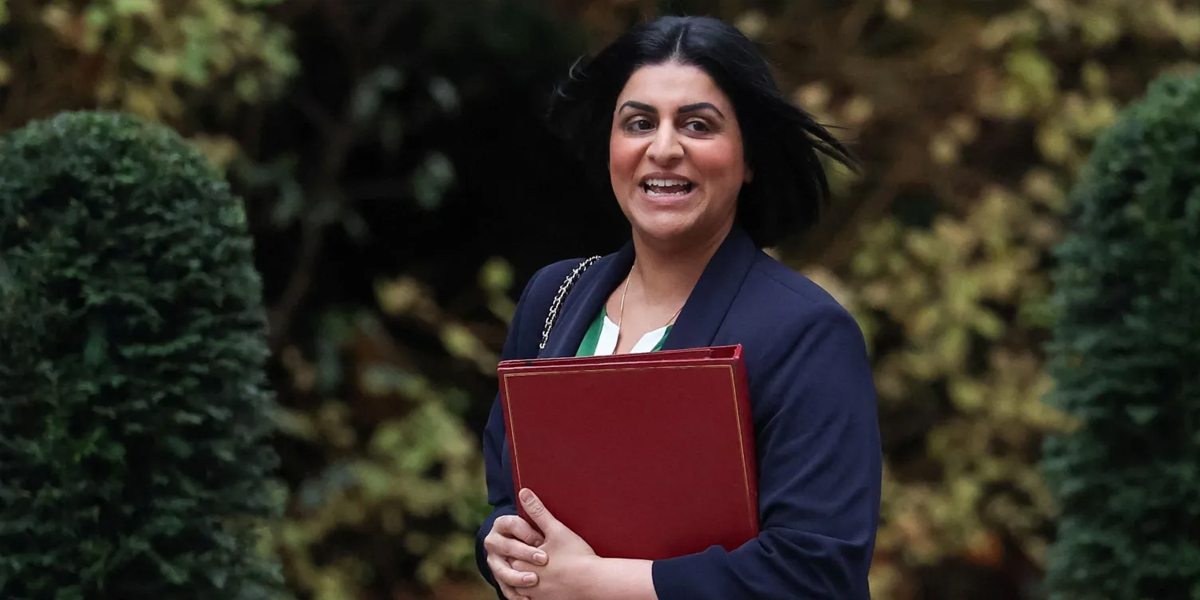
Legal migrants in the UK could face some of the most stringent settlement rules in Europe under sweeping proposals announced by Home Secretary Shabana Mahmood. The government plans to extend the qualifying period for Indefinite Leave to Remain (ILR) from five years to 10 years for most applicants, with some groups potentially waiting up to 20 years before they can settle permanently.
The new rules are set to apply to the estimated 1.6 million people who arrived legally in the UK since 2021. Migrants who already secured settlement will not be affected. Mahmood told MPs that joining the UK permanently is “not a right but a privilege – and one that must be earned”, as she unveiled the changes in the House of Commons.
Longer Pathways for Settlement as Migration Numbers Rise
Under the current system, most work and family visa holders can apply for ILR after five years. The reforms will double this period to a standard 10-year wait, although a new tiered structure will mean the timeframe can be shorter or considerably longer depending on individual circumstances.
Migrants who claim benefits for under a year would have to wait 15 years rather than 10. Those who entered the country on post-Brexit health and social care visas will also face a 15-year route to settlement, up from the current five-year threshold. Migrants who rely on benefits long-term will face the longest timeline in Europe, with a 20-year waiting period.
The Home Office said the move reflects the “unprecedented scale of arrivals”, with net migration adding 2.6 million people to the UK population between 2021 and 2024. The department also expects settlement applications to surge between 2026 and 2030, with 1.6 million people forecast to become eligible.
Stricter Criteria for “Earned Settlement”
The proposed system will revolve around “earned settlement”, requiring migrants to meet higher standards of integration, economic contribution and personal conduct. Applicants will need to demonstrate English proficiency at A-level standard, show a clean criminal record, and prove they earned at least £12,570 a year for three consecutive years.
There will be no automatic settlement for spouses or dependants when the main applicant obtains ILR. Children who arrived before turning 18 may settle with their parents, but adult dependants could face separate criteria and longer processes. Existing accelerated routes for refugees, bereaved partners and victims of domestic abuse will remain.
Fast-Track Routes for NHS Staff and High Earners
The proposals allow some groups to settle more quickly. Doctors and nurses in the NHS will still be able to secure ILR after five years. High-earning migrants and entrepreneurs deemed part of the UK’s “brightest and best” talent may settle after as little as three years.
The Home Office says this approach will attract individuals who make an “outsized contribution” to the country and ensure the UK remains competitive in sectors facing skills shortages.
Changes to Be Introduced From Spring 2026
The measures will be rolled out from spring 2026, following a public consultation that is open until 12 February. These changes are part of a wider overhaul of migration and asylum policy announced over the past week.
On Monday, Mahmood outlined a major transformation of the asylum system, including ending permanent refugee status and replacing it with temporary protection reviewed every 30 months. This marks one of the most significant resets of UK immigration policy in decades.
