
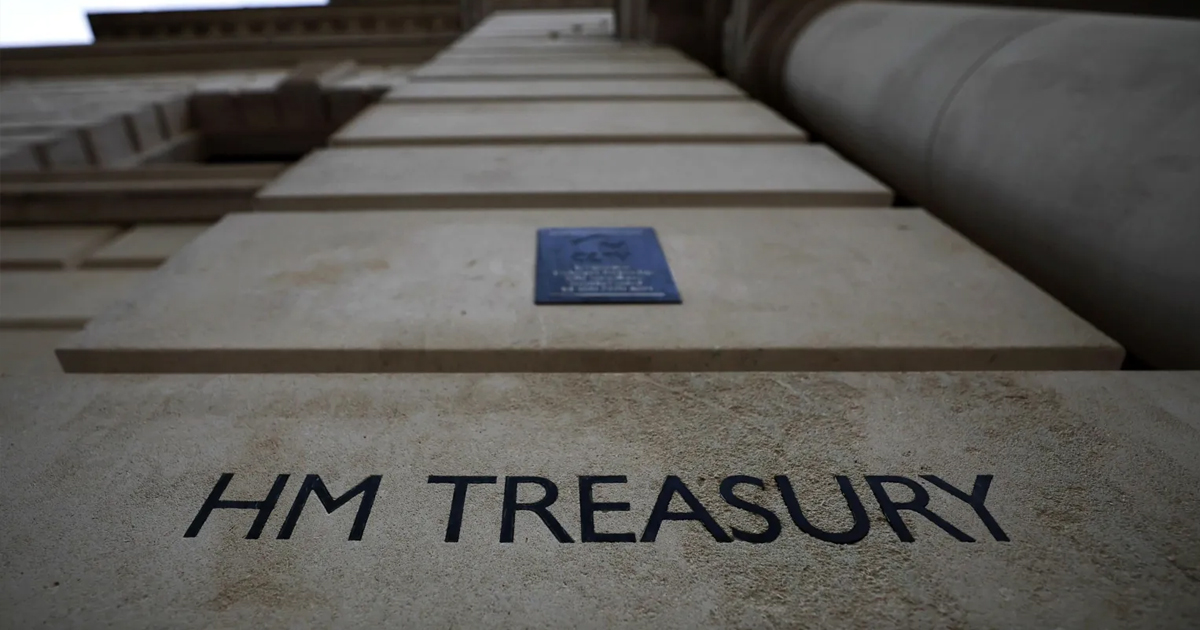
The UK government has taken decisive action by freezing all assets linked to the dissident group New IRA and those of a Derry-based individual, citing suspected involvement in terrorist activities. The sanctions, announced by the HM Treasury, prohibit any dealings with funds or economic resources controlled by the New IRA or by Kieran Gallagher, aged 48, from Londonderry. According to the Treasury, they have “reasonable grounds to suspect” Gallagher is involved in terrorist activity.
Economic Secretary to the Treasury Lucy Rigby stated that the move sends “a clear signal” that the UK is actively working to stop terrorist financing. She added that the designation marks only the second use of the Treasury-led domestic counter-terrorism sanctions regime specifically targeting Northern Ireland-related terrorism. The government emphasised that these designations reinforce the UK’s commitment to protecting the peaceful consensus in Northern Ireland and supporting the commitments of the Good Friday Agreement, while safeguarding national security. The New IRA emerged between 2011 and 2012 following a merger of smaller dissident republican groups, including the Real IRA.
What the Sanctions Entail
Under the sanctions regime, any funds or economic resources owned, held or controlled by the New IRA or by Kieran Gallagher are frozen. In Gallagher’s case specifically, the UK government has also imposed a director-disqualification sanction, meaning he is prohibited from acting as a company director or participating in the formation, promotion or management of any company. The government states it suspects Gallagher of providing financial services or making available funds or economic resources for the purposes of terrorism, and of facilitating terrorism itself. The New IRA’s designation cites grounds including its responsibility for acts of terrorism, recruitment, facilitation and promotion of terrorism.
New IRA Activity and Previous Sanctions
The New IRA formed in the early 2010s, arising from the merger of various dissident republican groups, including the Real IRA and others opposed to the peace process. It is understood to have been responsible for a number of armed attacks and threatened violence in Northern Ireland. As noted in recent assessments, one of its last known major attacks was a gun assault near Omagh in February 2023 against a retired police officer.
This latest designation is the second instance in which the UK Treasury’s domestic counter-terrorism sanctions regime has been used in relation to Northern Ireland. Earlier, a disqualification and asset freeze were imposed on another individual linked to the New IRA. These sanctions fit into a broader UK strategy of using financial and economic tools to disrupt terrorist activity and networks, reinforcing legislation such as the Sanctions and Anti‑Money Laundering Act 2018 and domestic counter-terrorism regulations.
Implications for Northern Ireland and Financial Institutions
The move underlines the UK government’s determination to safeguard Northern Ireland’s stability. By designating not only organisations but also individuals suspected of facilitating terrorism financially, the government is aiming to disrupt the infrastructure that supports dissident activity. For financial institutions, this development signals heightened regulatory vigilance: any UK-regulated entity must ensure that no funds or resources are dealt with that may be owned or controlled by these designated persons or organisations. Failure to comply may trigger enforcement action by the Office of Financial Sanctions Implementation (OFSI).
For the public, the message is clear: the government views support — financial or otherwise — to extremist groups as unacceptable and subject to legal sanction. The use of these tools also underlines the broader shift in counter-terrorism policy, where economic disruption is increasingly seen as a vital front in combating domestic threats.
What Happens Next
Affected assets must remain frozen, and any UK person or entity must not deal with them unless licensed by OFSI. The government’s statement leaves the door open for further designations as investigations continue. The New IRA remains listed under the UK’s Counter-Terrorism (Domestic) regime, and monitoring of potential financial flows to dissident groups in Northern Ireland is likely to intensify. Financial institutions and professional services firms should review their compliance frameworks and screening mechanisms in light of these developments.
