
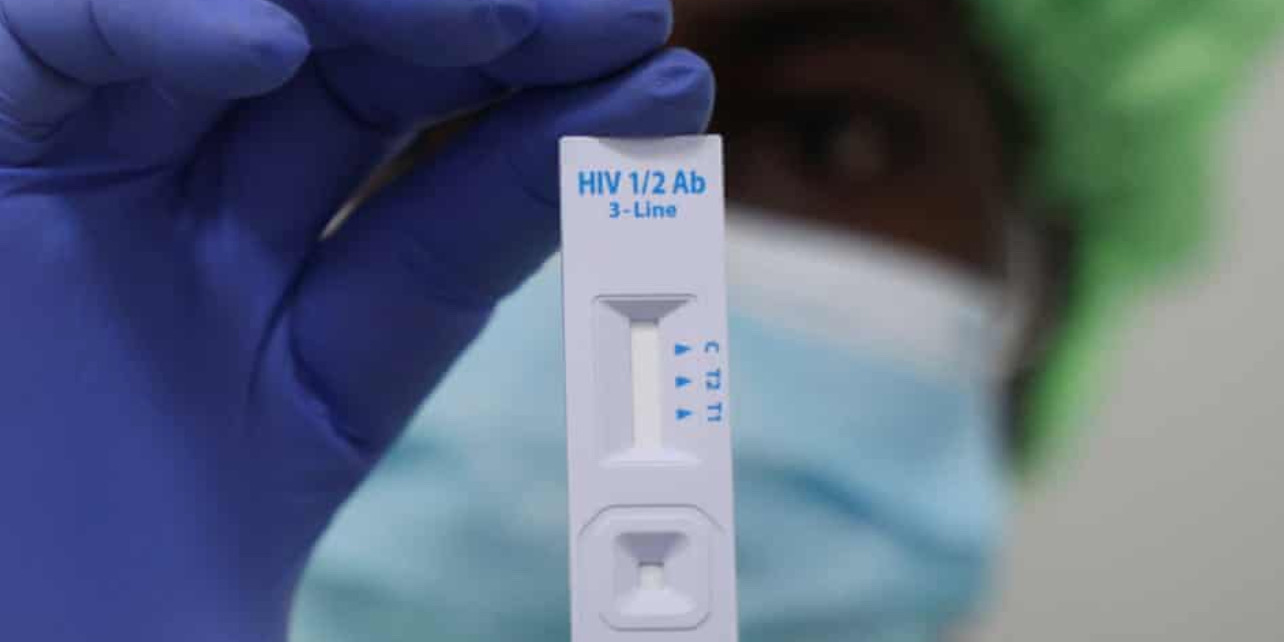
The United Kingdom is facing strong criticism from global health advocates after reducing its financial commitment to the Global Fund to Fight Aids, Tuberculosis and Malaria by 15%, a move campaigners warn could undermine decades of progress against some of the world’s deadliest infectious diseases. The decision comes in a year when the UK is co-hosting the Fund’s major replenishment conference alongside South Africa, raising concerns that other donor nations may follow Britain’s example.
The government announced on Tuesday that it would contribute £850 million to the Fund for the next cycle, down from £1 billion in the previous round. The reduction is part of a wider shift in UK aid spending, which has been cut from 0.5% of GDP to 0.3% as the government seeks to redirect resources towards defence.
UK Ministers Defend the Pledge as Campaigners Raise Alarm
British development minister Jenny Chapman said the pledge represented only a slight drop when measured in dollar terms and insisted the contribution would still have a major impact. She said the funding was expected to save up to 1.3 million lives, prevent up to 22 million new infections of HIV, TB and malaria, and generate up to £13 billion in health and economic benefits for partner countries.
Global health experts argue the cut will have severe consequences. Prof Kenneth Ngure, president-elect of the International Aids Society, said the Global Fund had halved deaths from the three diseases since 2002 and warned that reduced support would force African nations into “impossible choices” as they try to protect vulnerable populations. He also expressed concern that a constrained budget could delay the rollout of innovative HIV-prevention drugs widely seen as transformational.
Fears of Fewer Bed Nets, Fewer Medicines, and Greater Risk
Joy Phumaphi, executive secretary of the African Leaders Malaria Alliance, said the UK’s ongoing support was appreciated but stressed that the drop would bring “real consequences across Africa”, including fewer bed nets, diagnostic tools, and essential medicines. Research published in October estimated that a 20% overall reduction in Global Fund resources would lead to 330,000 additional malaria deaths by 2040. The Fund currently provides nearly 60% of all international financing for malaria programmes.
Phumaphi urged the UK to use its role as co-host of the Johannesburg replenishment summit later this month to demonstrate renewed leadership by strengthening global health systems.
Aid Groups Warn Cut Could Trigger Domino Effect Among Donors
John Plastow, executive director of Frontline Aids, said the UK had historically been one of the strongest supporters of the global effort to end Aids. He said the smaller pledge could signal to other governments that they, too, can reduce contributions, posing “real risks for people’s lives and for the global response to HIV.” He urged the UK government to commit publicly to increasing its pledge if additional funds become available during the three-year replenishment period.
Adrian Lovett, UK executive director of the One Campaign, suggested ministers could boost the Global Fund allocation using some of the £74 million saved after reducing hotel accommodation costs for asylum seekers. He said these savings should be used to strengthen the UK’s pledge and support a successful replenishment outcome.
Global Fund Support Critical for Countries Facing Conflict
The importance of the Global Fund’s work is especially evident in conflict-hit regions. Dr Andriy Klepikov, director of Ukraine’s Alliance for Public Health, said the Fund had enabled more than 500,000 Ukrainians to maintain access to HIV and TB treatment during the war. He stressed that “each of these people counts on the eighth replenishment outcomes”, adding that their survival depends on continued commitments from major donors such as the UK.
While acknowledging the pressures on British public spending, Klepikov said he remained grateful for the UK’s contribution, describing it as an affirmation of London’s enduring influence in global health.
Funding Pressures and Global Disease Risks
The decision comes at a time when global health experts are warning of a resurgence in infectious diseases. The World Health Organization reported this year that disruptions linked to conflict, climate change, and funding shortages are already threatening to reverse major gains made over the past two decades. The UK previously played a central role in the fight against HIV and malaria, contributing more than £4 billion to the Global Fund since its creation in 2002.
Advocates argue that the latest cut not only jeopardises lives but also weakens the UK’s diplomatic influence in global development and health security, especially as the Johannesburg summit approaches.
