
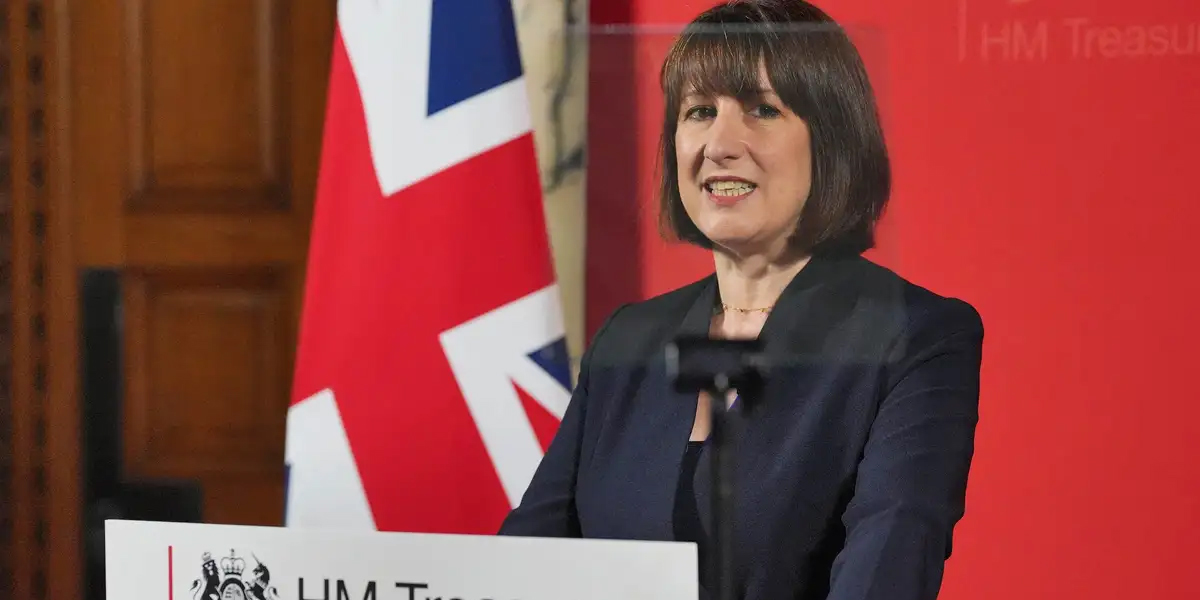
Chancellor Rachel Reeves has confirmed that NHS prescription charges in England will remain at £9.90 throughout the next financial year, offering relief to patients as household budgets continue to feel the strain.
The announcement comes ahead of next week’s Budget and is expected to save people across the country around £12 million in 2025.
Reeves stressed that the decision aims to protect patients from avoiding essential medication due to financial pressures. She said, “No one should put their health at risk because they can’t afford their medication, and as the cost of living still puts pressure on households I’m extending the cash freeze on prescription charges.”
She added that the government remains focused on improving the health service, noting that waiting lists have fallen by 230,000 over the past year. “Since taking office, we’ve been committed to fixing the NHS, and waiting lists are down by 230,000 over the past year. At next week’s Budget I will take the fair choices to deliver what matters most to the country: cutting waiting lists, cutting the cost of living and cutting the national debt.”
Currently, about 89 percent of all prescriptions in England are dispensed free of charge, covering groups such as children, pensioners, pregnant women and individuals with qualifying medical conditions.
The freeze will also apply to prescription prepayment certificates for 2026/27, meaning that three-month and annual passes will remain at their current price. This is expected to benefit people with long-term health needs who rely on regular medication.
Additional financial support remains available through the NHS Low Income Scheme, which covers prescription costs for eligible groups including students, pensioners, care-home residents and those receiving certain state benefits.
The government says the price freeze forms part of its wider strategy to ease pressure on household budgets, alongside measures such as expanding free breakfast clubs, raising the National Living Wage and maintaining the pensions triple lock.
Health Secretary Wes Streeting welcomed the move, saying it “will put money back into the pockets of millions of people.” He also highlighted other steps to improve access to healthcare. “We’ve already made the morning-after pill available free of charge at all pharmacies, and as well as keeping prescriptions under a tenner, we’re making sure you can get the care you need closer to home to keep travel costs down.”
He added, “We are fixing our NHS and making it so it’s once again there for you when you need it.”
The announcement follows recent progress in reducing NHS waiting times. For the first time in 15 years, waiting lists have begun to fall, with the backlog reduced by more than 230,000. The government has also delivered over 5 million additional appointments since the general election.
