
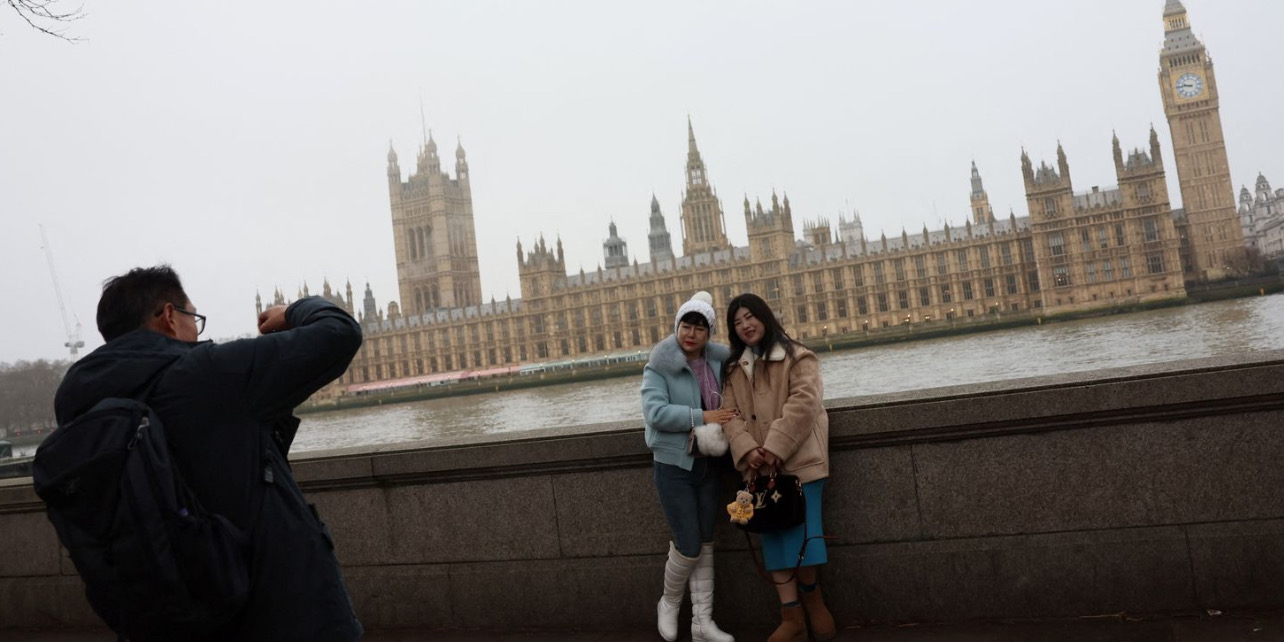
London is considering whether to introduce a new tourist tax on overnight visitors, as City Hall evaluates a proposal that could apply to guests staying in hotels and short-term rentals. Mayor Sadiq Khan is exploring the idea as part of new powers granted through the English Devolution and Community Empowerment Bill, which would allow local leaders to raise revenue through an “overnight visitor levy.”
A spokesperson for the mayor confirmed that Khan is open to the idea of a “modest tourist levy, similar to other international cities.” While no official rate has been announced, early discussions suggest the charge could be around 5% per night, adding a small surcharge to hotel and rental stays across the capital.
Supporters of the proposal argue that London should have the same fiscal tools used by major tourism destinations across Europe. Andrew Carter, chief executive of Centre for Cities, said the move could signal “the start of a bigger programme of devolving tax and spending powers to the capital.” He added that giving London more control over its own revenue would help support economic growth, especially as the city remains the UK’s most productive urban area.
Why the Tourist Tax Is Being Considered Now
The discussion comes amid a broader UK debate over devolving fiscal powers to local authorities. The English Devolution and Community Empowerment Bill proposes giving cities greater autonomy to raise local revenue, including through a visitor tax. London’s size, population and tourism numbers make it one of the most likely locations to adopt such measures quickly once authorised.
City Hall has also been dealing with rising pressures linked to tourism, including transport demands, policing costs and issues related to street crime. The city recently launched its “Mind the Grab” campaign to warn pedestrians about phone snatching, placing purple chalk alerts on pavements in high-risk areas.
European Destinations Responding to Overtourism
London’s review mirrors a broader European trend, as major destinations introduce levies to manage the cost and impact of tourism. Several cities have already moved ahead with similar taxes.
Greece plans a $22 cruise visitor tax for hotspots like Santorini and Mykonos.
Aberdeen, Scotland, approved a 7% visitor levy starting April 2027.
Edinburgh will introduce a 5% per-night tax from July 2026.
Norway authorised a 3% overnight tax in areas under strain from heavy tourism.
Venice launched a pilot day-tripper fee in 2024 at €5 and is now considering doubling the charge.
With many European cities introducing tourism taxes to manage overcrowding and generate local revenue, London is now assessing whether a similar model could help support public services and infrastructure used heavily by visitors.
What Happens Next?
The mayor has not yet committed to implementing a tourist tax, and the final decision will depend on the details of the Devolution Bill and consultations with local councils and businesses. If approved, the levy would represent one of London’s most significant financial reforms in years, giving the city a new way to manage costs linked to the millions of tourists who visit annually.
