
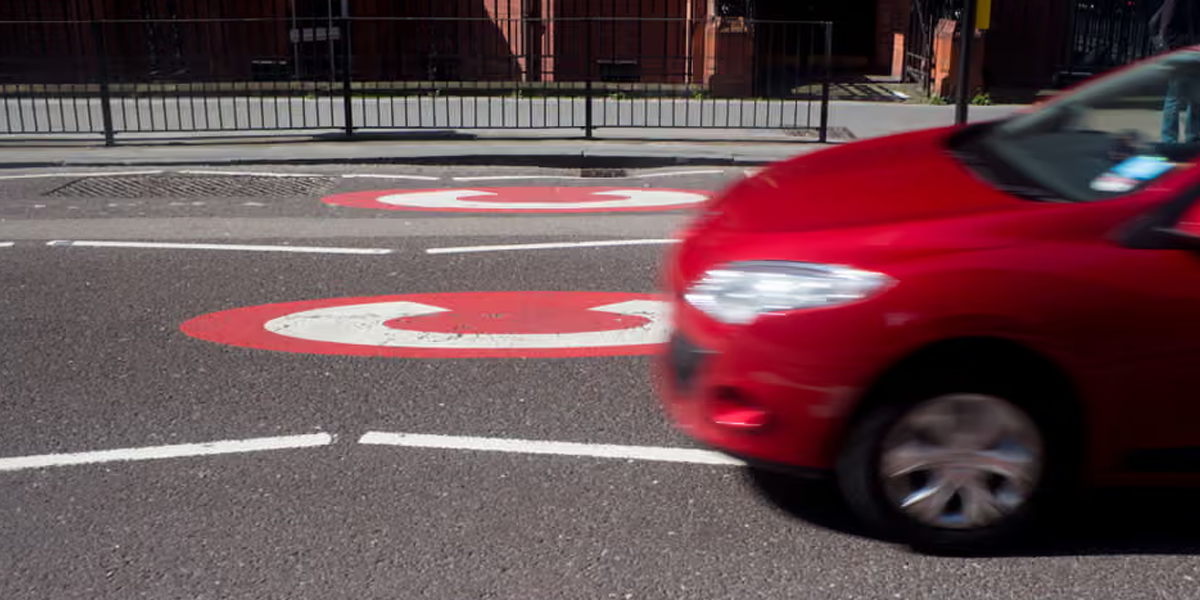
London’s congestion charge will rise by 20% to £18 from January, and electric vehicle (EV) drivers will, for the first time, be required to pay to enter central London. Transport for London (TfL) confirmed that EVs will no longer receive full exemption, though they will benefit from a 25% discount. Electric vans and HGVs will pay 50% of the full charge under the new structure.
The changes mark the biggest overhaul of the scheme in years and come as the capital adapts to a rapidly growing number of EVs entering the zone.
Mayor Khan: Changes Needed to Reduce Traffic and Keep London Moving
London mayor Sadiq Khan defended the move, stating that without reform, an additional 2,200 vehicles would enter the congestion zone on a typical weekday next year. He said the charge – introduced in 2003 to reduce traffic – must evolve to remain effective.
According to TfL, nearly 120,000 EVs are now registered to drive in the zone, six times the number recorded in 2019 when the full EV discount was introduced. That exemption was scheduled to expire at the end of 2024, prompting the updated policy.
Incentives for Cleaner Transport to Remain, With Adjustments
Khan stressed that Londoners who transition to cleaner vehicles will still receive incentives. However, these discounts will be gradually phased out. The long-standing 90% residents’ discount will be restricted to electric car owners only starting March 2027. Car-sharing clubs will continue to enjoy full exemptions for EVs to support low-emission mobility options.
The mayor argued that keeping London’s roads moving is essential for the city’s economy, and that maintaining unchanged policies would undermine the purpose of the congestion charge.
Criticism From Motoring Groups and Labour Assembly Members
Motoring organisations and political figures criticised the changes for making electric vehicles less appealing. Labour transport spokesperson Elly Baker said the decision could make it harder for workers who rely on their vehicles, including minicab drivers who “did the right thing” by switching to EVs.
AA president Edmund King also urged the mayor to reverse the proposal, calling it “a backward step” that could ultimately harm London’s air quality. He argued that many drivers are still hesitant to switch to electric and need stronger incentives, not new charges.
National Debate on EV Road Charges Intensifies
The update comes amid increasing speculation that the UK government may introduce new EV-specific taxes to compensate for declining fuel duty revenues as more drivers go electric. Reports suggest Chancellor Rachel Reeves is considering a pay-as-you-drive system as part of her November Budget, signalling a broader shift in how EV road use could be taxed nationally.
Last year, the Treasury also announced that EVs would begin paying vehicle excise duty (VED) from 2025, further aligning EV cost structures with petrol and diesel vehicles as adoption accelerates.
Charging Hours and Zone Rules Remain Unchanged
The existing congestion charge hours will remain in place: 7am to 6pm on weekdays, and 12pm to 6pm on weekends and bank holidays. TfL said the aim is not to raise revenue but to prevent rising congestion from undermining central London’s transport network.
