
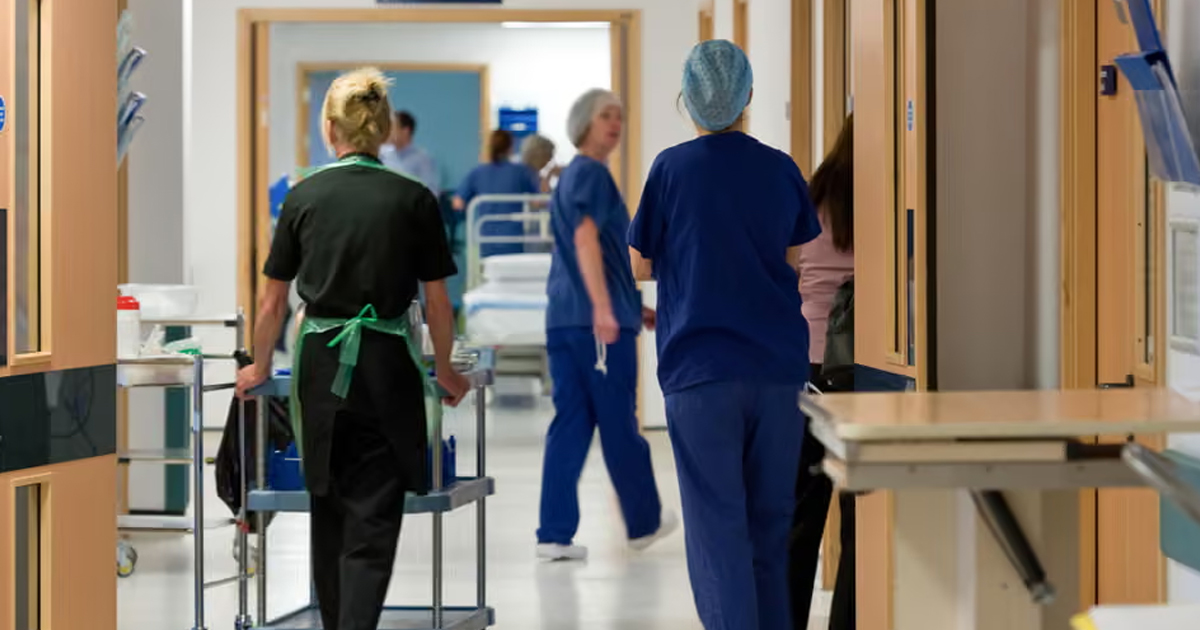
The NHS has failed to reduce waiting times as promised in its flagship recovery plan, despite billions of pounds in investment, according to a highly critical report by the public accounts committee (PAC). The findings raise major questions over whether Labour can meet its central election pledge to “fix the NHS” and restore the 18-week treatment guarantee by 2029. This benchmark, originally achieved under the last Labour government, has been repeatedly highlighted by Prime Minister Keir Starmer and Health Secretary Wes Streeting as a core commitment to voters.
In its report, the cross-party PAC warns that improvements in access to tests and treatment have “stalled”. It sharply criticises the government for ordering an unplanned, expensive reorganisation of NHS England—a restructuring Streeting had previously ruled out while in opposition. MPs said the shake-up resembled the mismanagement seen in the HS2 project and risked undermining patient care at a time of extreme system pressure.
Despite Labour’s claims of progress, the PAC found that far more patients than promised are still waiting beyond 18 weeks for non-urgent procedures, with some waiting over a year. Diagnostic delays also remain severe, with many patients waiting more than six weeks for X-rays, scans, and other tests. The overall NHS elective care waiting list now stands at 7.4 million clinical pathways—only about 220,000 fewer than when Labour took office in July 2024.
Ministers Under Pressure as Public Concern Over NHS Intensifies
The report is likely to trigger anxiety within government, as the public consistently identifies reducing NHS waiting times as its top priority. Recent polling has shown Reform UK overtaking Labour as the party perceived to have the strongest health policies—a worrying trend for ministers ahead of the next general election.
Streeting last week insisted that “the NHS is on the road to recovery” and highlighted improvements including faster ambulance response times, more rapid cancer diagnoses within 28 days, and an increase of 2,500 GPs. He pointed to the fall in the 18-week backlog since Labour took office as evidence of early progress. However, the PAC’s findings directly contradict that upbeat assessment.
Patients’ Groups and Opposition Say Delays Are Now “A Shambles”
Patient representatives and opposition parties condemned the continued long waits. Rachel Power, the chief executive of the Patients Association, said the report “lays bare what patients have felt for over a decade: despite billions being spent, the NHS is still not delivering the timely care people desperately need.”
The Liberal Democrats described the situation as “a shambles”, arguing the government’s efforts to eliminate widespread delays have failed to produce meaningful results. Helen Morgan, the party’s health spokesperson, said the report “should set off alarm bells in No 10”.
Key Recovery Targets Missed, Despite Huge Spending on Diagnostic and Surgical Hubs
The PAC’s review of NHS England’s elective recovery plan—launched in 2022 under the Conservative government—found that major goals expected by spring 2024 were not met. The NHS had invested £3.24bn in community diagnostic centres and surgical hubs intended to reduce delays, yet the expected improvements did not materialise.
In July, 192,000 people were still waiting at least a year for planned hospital care, despite a commitment to eliminate such waits by March 2025. Meanwhile, 22% of patients faced waits longer than six weeks for key diagnostic tests, far from the planned reduction to 5%.
Concerns Grow Over the Impact of Delayed Care
Clive Betts, the PAC’s deputy chair and a Labour MP, warned that every additional day on a waiting list increases anxiety for patients and may worsen undiagnosed conditions. Health experts echo these concerns, noting the UK continues to lag behind comparable countries in recovering from the post-pandemic backlog. Siva Anandaciva of the King’s Fund said the report “adds to the evidence that progress will be neither quick nor easy”.
Labour’s Long-Term NHS Pledge Faces Rising Doubts
Labour’s promise to “build an NHS fit for the future” was a central mission in its election manifesto. However, recent analyses by the Institute for Fiscal Studies, the Institute for Government and the Health Foundation have all warned that restoring the 18-week standard by 2029 is unlikely without substantial structural change and sustained investment.
Streeting declined to comment directly on the PAC’s report. A spokesperson for the Department of Health and Social Care defended the government, arguing the failures occurred under the previous Conservative administration. They said Labour has already delivered 230,000 fewer people on waiting lists and more than 5 million additional appointments, calling the system “broken” when the government took office and insisting that “waiting lists are falling for the first time in 15 years.”