
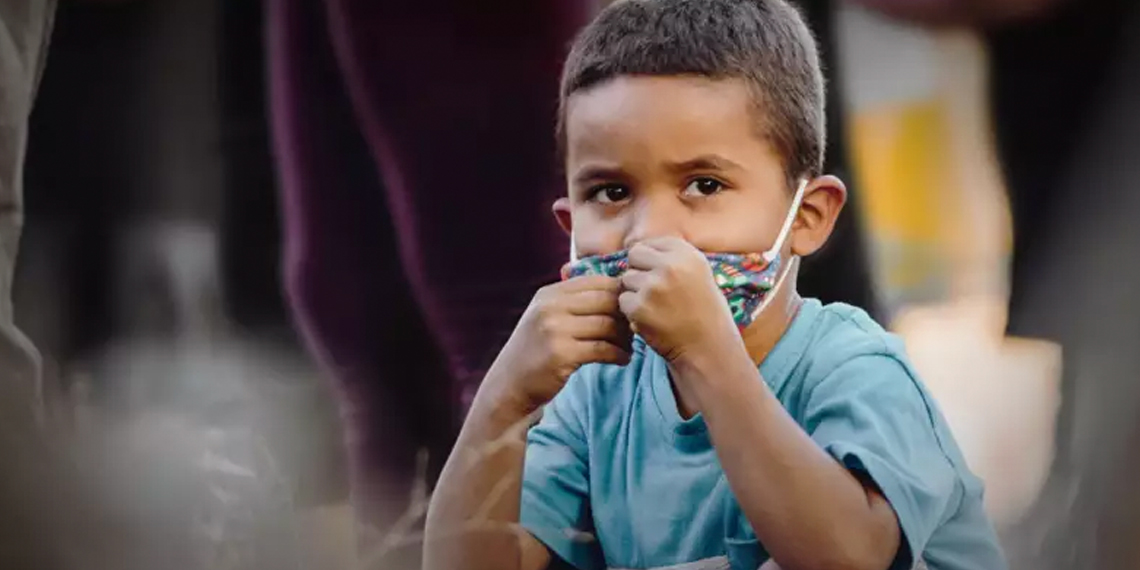
A new report has revealed that nearly 2,400 trafficked or unaccompanied children went missing from local authority care across the UK last year, raising serious concerns about safeguarding failures within the system.
Charities say the findings expose systemic weaknesses that leave vulnerable young people at high risk of exploitation and harm.
The data, released on Tuesday by Every Child Protected Against Trafficking (ECPAT) UK and Missing People, shows that children who have been trafficked or who arrive in the UK alone to seek asylum are far more likely to disappear from care than other groups. According to the report, these children are at heightened risk of sexual exploitation, forced criminality or other forms of abuse when they go missing.
The publication comes as The Independent and the charity Missing People continue their SafeCall appeal, which aims to raise £165,000 to fund a new free support service for the 70,000 children reported missing every year.
The research, based on Freedom of Information requests to children’s services across the UK, shows that 2,638 children in care in 2024 were identified or suspected of being trafficked. Of these, 864 went missing—representing 37 per cent of the group. Over the same period, 1,501 of 12,530 unaccompanied children in care (13 per cent) were reported missing, up 2 per cent on the previous year.
For more than a decade, both trafficked and unaccompanied children have remained at significantly high risk of going missing, yet the report warns that the care system has continued to fail in protecting them adequately.
Jane Hunter, head of research and impact at Missing People, said the findings show that “trafficked and unaccompanied children are disappearing from care at alarming rates, suggesting that effective safeguards are often not in place for these children.” She added that “every child deserves to feel safe and protected, yet trafficked and unaccompanied children are repeatedly failed by the systems meant to care for them,” describing the report as “a stark reminder that urgent action is needed to prevent these children from disappearing and falling into dangerous situations.”
Hunter is calling for major system reform, including guaranteed access to appropriate accommodation for trafficked and unaccompanied children. She also urged greater awareness of the National Referral Mechanism, which is designed to identify and protect victims of trafficking. “These steps are critical to closing the gaps that traffickers exploit and to restoring trust in the care system,” she said.
ECPAT UK’s head of policy, Laura Duran, emphasised the scale of vulnerability faced by these children, noting that “these children are not just statistics – they are individuals who have already endured unimaginable trauma. When they go missing from care, they are at extreme risk of further exploitation.” She urged the government to ensure that proposed policies “do not exacerbate these risks” and instead prioritise effective safeguarding.
The report highlights that several systems currently operating within the UK are increasing the likelihood of children going missing, including an insecure and overly complex immigration system. Earlier research has shown that uncertainty around immigration status and fears about removal from the UK can contribute to children disappearing from care.
It also notes that not all local authorities responded to the FOI requests, meaning the true number of missing children is likely even higher.
Responding to the report, a government spokesperson said the current administration had inherited “a children’s social care system failing to meet the needs of the country’s most vulnerable children.” They said the upcoming Children’s Wellbeing and Schools Bill represents the “biggest overhaul of children’s social care in a generation,” aiming to “ensure every child in our country, including those in care, has the opportunity to thrive.”
The reforms will include increasing the availability of care placements, improving information sharing, creating multi-agency child protection teams in every area, and introducing a new duty requiring partners to include education and childcare settings in safeguarding arrangements to prevent children “falling through the cracks.”
