
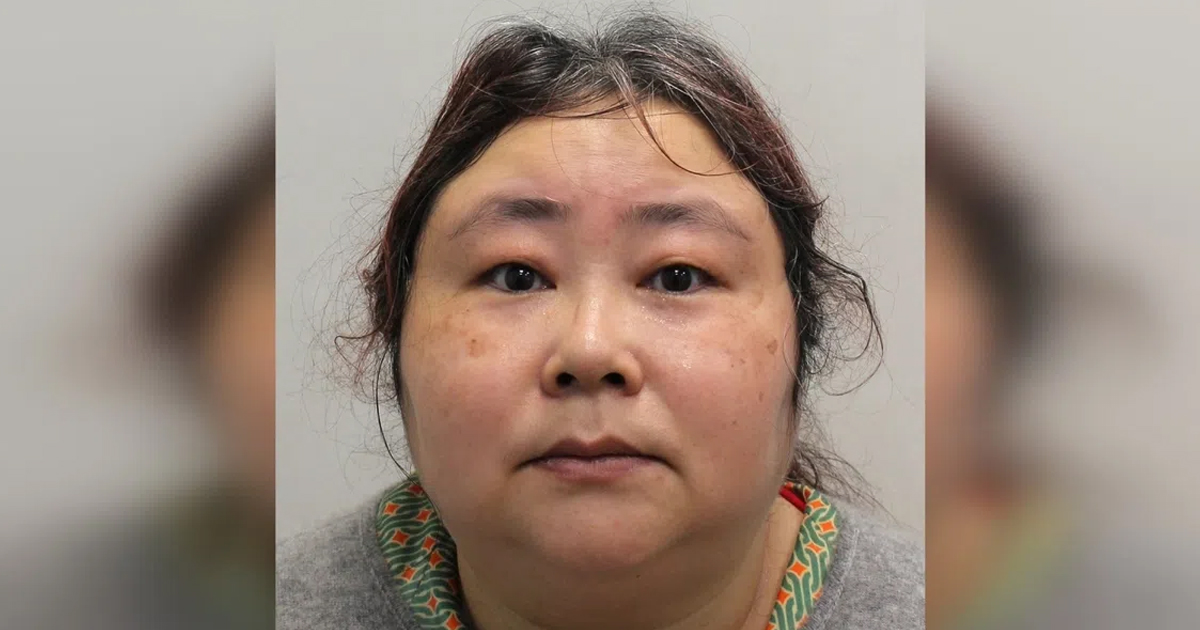
A 47-year-old Chinese businesswoman, Zhimin Qian — known by her alias Yadi Zhang and nicknamed the “goddess of wealth” — is facing up to 14 years in prison in the United Kingdom after being found guilty of laundering billions of dollars’ worth of Bitcoin tied to one of China’s biggest financial scams. British police uncovered the country’s largest-ever cryptocurrency seizure, worth more than $6 billion, during their investigation into Qian’s activities.
Between 2014 and 2017, Qian defrauded over 128,000 victims in China through a large-scale Ponzi-style investment scheme. The operation promised investors high returns but paid earlier participants using funds from new entrants — a hallmark of pyramid fraud. Qian converted much of the stolen money into Bitcoin to conceal its origins and moved the assets abroad after fleeing China in 2018 with false documents.
She settled in the UK, where she allegedly attempted to launder her fortune by purchasing luxury properties, including a £23 million ($30 million) mansion in London. Prosecutors said she lived a life of extravagance before being caught during an extensive police investigation.
Police Operation and Arrest
The Metropolitan Police tracked her activities through surveillance of her associate, Malaysian national Seng Hok Ling, also 47, leading to Qian’s arrest in April 2024. Officers seized £11 million in cash, gold, and cryptocurrency from the pair. Earlier, British authorities had confiscated more than 61,000 Bitcoins — now valued at over $6 billion — marking the biggest cryptocurrency seizure in UK history.
A third accomplice, Jian Wen, was jailed for six years and eight months last year after police found Bitcoin wallets worth more than $2 billion in her possession. Ling, meanwhile, pleaded guilty to money laundering and will be sentenced alongside Qian.
Victims and Financial Fallout
Lawyers representing victims described the case as unprecedented in value for an individual fraudster. William Glover from law firm Fieldfisher said it was “possibly the largest case of its kind” involving an individual rather than a corporation. He noted that many victims suffered devastating financial and emotional consequences, losing savings, homes, and family stability.
Attorney Jackson Ng, representing additional victims, explained that Qian had presented herself as a legitimate entrepreneur, organizing public investment events and claiming official government backing. Many of those defrauded were middle-class families with little investment experience who trusted her false promises.
One Chinese couple lost hundreds of thousands of dollars — savings meant for their daughter’s education and retirement — after investing in 2016. When payouts stopped in 2017, their daughter severed contact with them out of anger and shame.
Ongoing Legal Proceedings and Bitcoin’s Soaring Value
Qian pleaded guilty on September 29 to acquiring and possessing criminal property. She will be sentenced at Southwark Crown Court following a two-day hearing beginning Monday. Authorities are still determining how to compensate victims, with around 1,300 people having come forward so far. Civil proceedings at London’s High Court aim to outline a compensation plan for those affected.
The case also underscores the evolution of digital crime and the challenge regulators face as Bitcoin’s value continues to rise. Once trading at around $3,600 in late 2018, Bitcoin has now surged close to $100,000 — magnifying the financial stakes of crypto-related frauds worldwide.
