
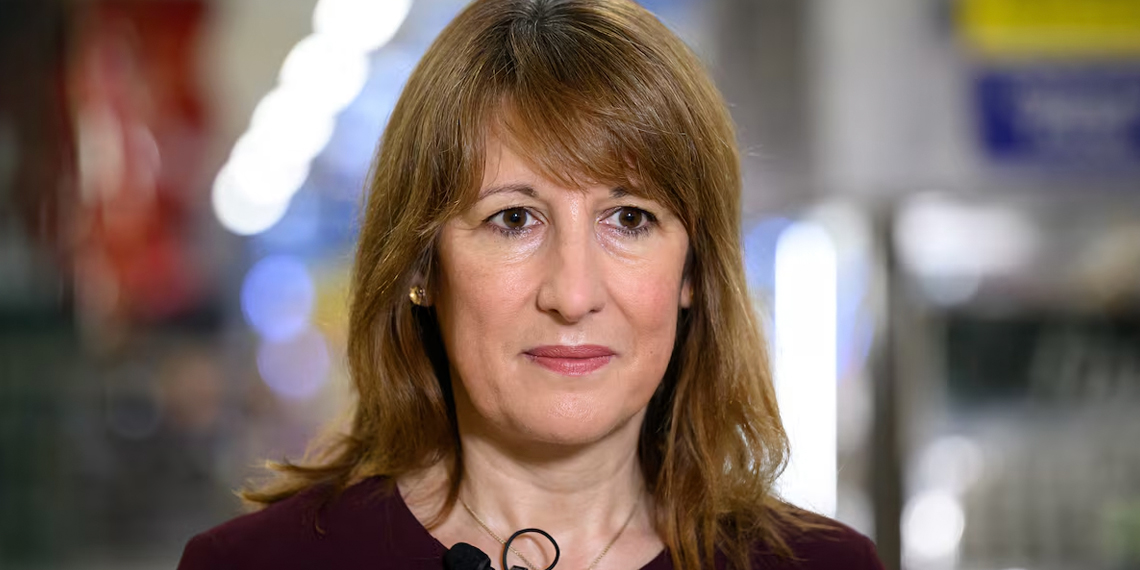
British finance minister Rachel Reeves has warned that budget leaks are “not acceptable” after a report suggesting she had dropped plans for an income tax rise caused UK bond prices to fall sharply. The leak last week fuelled intense speculation in financial markets, which had viewed an income tax increase as one of the clearest options for raising the tens of billions of pounds Reeves needs to meet her fiscal targets in the upcoming annual budget.
The volatility underscored how sensitive investors have become to signals about the government’s tax strategy, with the reported U-turn prompting questions about the clarity and stability of the UK’s economic policy direction.
Reeves Reaffirms Budget Priorities: Cost of Living, NHS Waits, Debt Reduction
Speaking to broadcasters on Wednesday, Reeves said the government is committed to a clear set of priorities that do not rely on last-minute tax surprises. She reiterated that the budget will focus on easing the cost of living pressures facing households, cutting NHS waiting lists and ensuring that the national debt begins to fall in line with fiscal rules.
A government source confirmed that the income tax rise has been ruled out, despite earlier expectations that Reeves was preparing the political ground for such a move.
Income Tax Expectations Sparked by Pre-Budget Speech
Speculation about a potential income tax increase began after Reeves delivered an unusual pre-budget speech earlier this month, during which she told the public that “each of us must do our bit.” The phrasing was widely interpreted by analysts as signalling a possible breach of Labour’s 2024 election pledges not to raise income tax, VAT or national insurance.
The abrupt shift away from that expectation contributed to market instability and added pressure on the Treasury to provide clearer communication ahead of the fiscal set piece.
Investors Criticise Mixed Signals as Government Credibility Questioned
The reported reversal unsettled financial markets, with investors and business groups expressing frustration over what they described as inconsistent messaging from the Treasury. Many warned that uncertainty over the budget’s tax plans risks undermining the government’s credibility at a crucial time for economic recovery and investor confidence.
The reaction highlights the broader environment facing Reeves: rising borrowing costs, a tight fiscal framework and increased scrutiny from global markets, all of which elevate the consequences of unclear or changing signals about tax policy.
The budget row comes as the government faces mounting pressure to stabilise the UK economy amid weak growth, elevated inflation and persistent pressure on public services. Reeves has been tasked with restoring fiscal credibility after a turbulent period in British economic policymaking, including the market shock of the 2022 mini-budget and ongoing challenges in boosting productivity and investment.
Markets have been especially sensitive to tax-related leaks in recent months, as investors weigh the UK’s fiscal sustainability, bond issuance levels and the Treasury’s capacity to strike a balance between economic support and debt reduction.
