
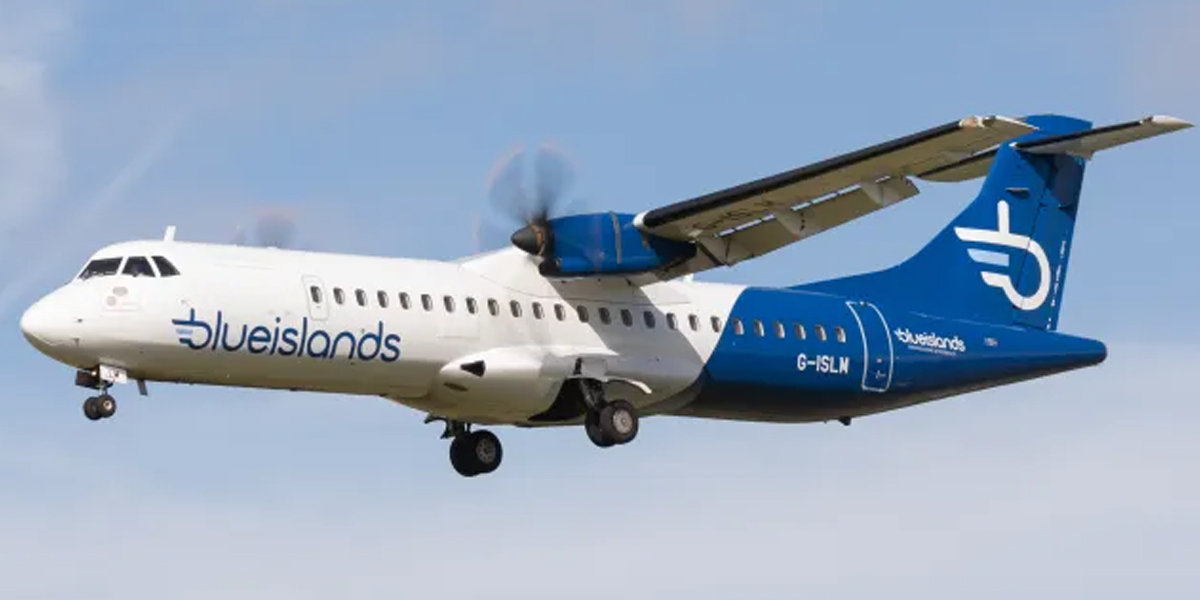
Channel Islands carrier Blue Islands has ceased operations with immediate effect, cancelling all scheduled flights and urging passengers not to go to the airport. The British airline, which connected Jersey and Guernsey with seven UK airports and several European destinations, confirmed late on 14 November 2025 that it had suspended trading after nearly two decades of service.
In a notice posted on its website, Blue Islands said all future flights had been cancelled and warned travellers not to travel to airports unless they had secured alternative arrangements. The final flight landed in Jersey at 7.40pm on Friday before the airline stopped operating entirely. The sudden shutdown has left hundreds of passengers needing to rebook travel and created uncertainty across the Channel Islands aviation sector.
Around 100 Staff Made Redundant as Travellers Seek Refunds
Approximately 100 employees are expected to lose their jobs as the company enters cessation of trading. Blue Islands has instructed customers who booked directly through the airline to contact their bank for assistance. Those who arranged flights via travel agents have been advised to seek guidance from the respective agencies. Passengers travelling on Blue Islands flights sold under Aurigny’s codeshare agreement have been told to contact Aurigny directly, as some services may still operate under the Guernsey flag carrier.
Regulator Issues Warning and Directs Customers to Official Guidance
The UK Civil Aviation Authority (CAA) urged customers to avoid unnecessary journeys to the airport and to check the regulator’s website for updated information. Selina Chadha, the CAA’s consumer and markets director, said all Blue Islands flights were cancelled and emphasised the importance of following official advice.
Airline With 19-Year History Ends Amid Financial Strain
Blue Islands began operations in 2006 after rebranding from Rockhopper and had become a key regional operator, offering routes to Bristol, East Midlands, Leeds Bradford, Southampton, Newcastle and Norwich. The airline also maintained Jersey–Guernsey island hops and link flights to Paris and Belgium. However, financial pressure had intensified in recent years. During the Covid-19 pandemic, the government provided an £8.5m loan to support the airline’s survival, but an August 2025 report indicated that £7m of that debt remained unpaid, raising concerns about its long-term viability even before this week’s collapse.
Government Vows to Protect Long-Term Air Connectivity
Jersey’s Minister for Treasury and Resources, Elaine Millar, expressed regret over the disruption and confirmed that the government was now focused on securing reliable and sustainable air links for the island. The collapse has renewed calls for stronger protections for regional connectivity, particularly for residents who rely on air travel for essential services, business, and tourism.
