
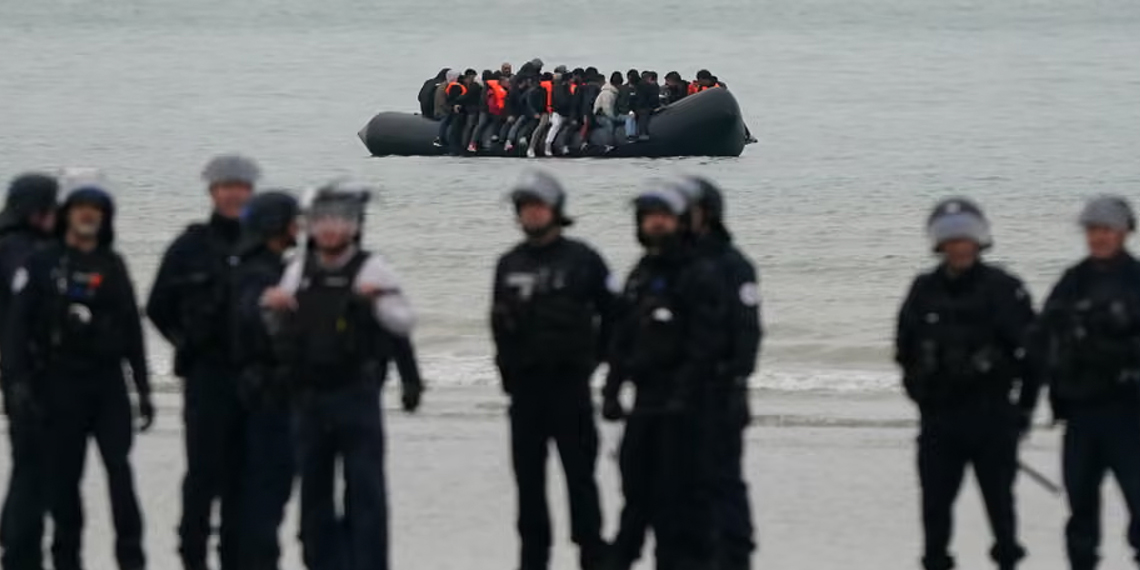
The UK’s border chief has expressed deep frustration that France has yet to adopt a disable boats tactic to puncture or incapacitate “taxi boats” in shallow waters, despite earlier pledges. The delay is fueling criticism over cross-Channel migration control and diplomatic coordination.
During a hearing of the Commons Home Affairs Select Committee, Border Security Commander Martin Hewitt told MPs it was “frustrating” that French authorities had failed to roll out more aggressive maritime interventions against migrant boats near French shores. He noted that shifting governments in France had created a political backdrop hindering swift action.
In June, the French cabinet committed to reinterpret maritime law so that national police could intercept migrant vessels within 300 metres of the coast — a move regarded by some UK officials as a potential game-changer. But French police have balked at acting without legal protection, training, and assurances of operational safety.
Rising Death Toll & Migrant Trends
Hewitt warned of “horrific” fatality counts in the Channel. In 2024, the International Organisation for Migration recorded at least 82 deaths, including 14 children — the deadliest year on record. In 2025 so far, another estimated 20 people have died on crossing attempts. He also flagged changing migration origins: a growing share arriving from Eritrea, Ethiopia, Sudan, and Somalia. Some migrants, he said, even boarded vessels without payment in chaotic smuggling conditions.
Tactical & Political Impediments
Asked whether France’s political instability was slowing progress, Hewitt responded that he had personally visited Paris and engaged senior French officials. He argued the maritime tactic is critical given “taxi boats” detach people further out at sea to evade detection. The tactic was referenced publicly by President Macron during discussions with the UK prime minister. But bureaucratic, legal, and operational resistance in France has thus far stalled deployment.
UK’s Asylum Swap Deal & Resource Constraints
Committee chair Karen Bradley revealed that only 12 officials are currently working on the UK-France “one in, one out” scheme to return Channel arrivals, compared with over 1,000 staffers assigned to the previous Rwanda plan. Hewitt defended the smaller scale, arguing that the new deal involves wider functions cutting across immigration enforcement and smuggling disruption.
Critics suggest the limited staffing underlines the challenge of dismantling well-funded smuggling networks, which Hewitt described as “incredibly profitable” and deeply entrenched.
Broader Context: Cross-Channel Crisis & Evolving Smuggler Tactics
The small boat migration route has surged in recent years, with over 187,500 migrants detected crossing the Channel since 2018. Smugglers have adapted by using “taxi boat” tactics—dropping migrants off far from shore so that interception is harder.
In response, the UK and France launched a “one in, one out” returns agreement in mid-2025, though as of now only a small number of deportations have occurred amid legal pushback. Some human rights groups have challenged the deal in French courts, arguing it violates procedural and constitutional requirements.
Meanwhile, French authorities are reportedly preparing to shift their maritime interception strategy, with proposals to encircle vessels or maintain patrols closer to shore — but practical deployment remains slow. The UK’s prior military involvement in interception efforts, such as Operation Isotrope, highlighted the limits of force alone in controlling migration flows.
Given the complexity of migration drivers, critics warn there is no silver bullet: border measures must be paired with legal routes, intelligence, and regional cooperation to make a lasting impact.
