
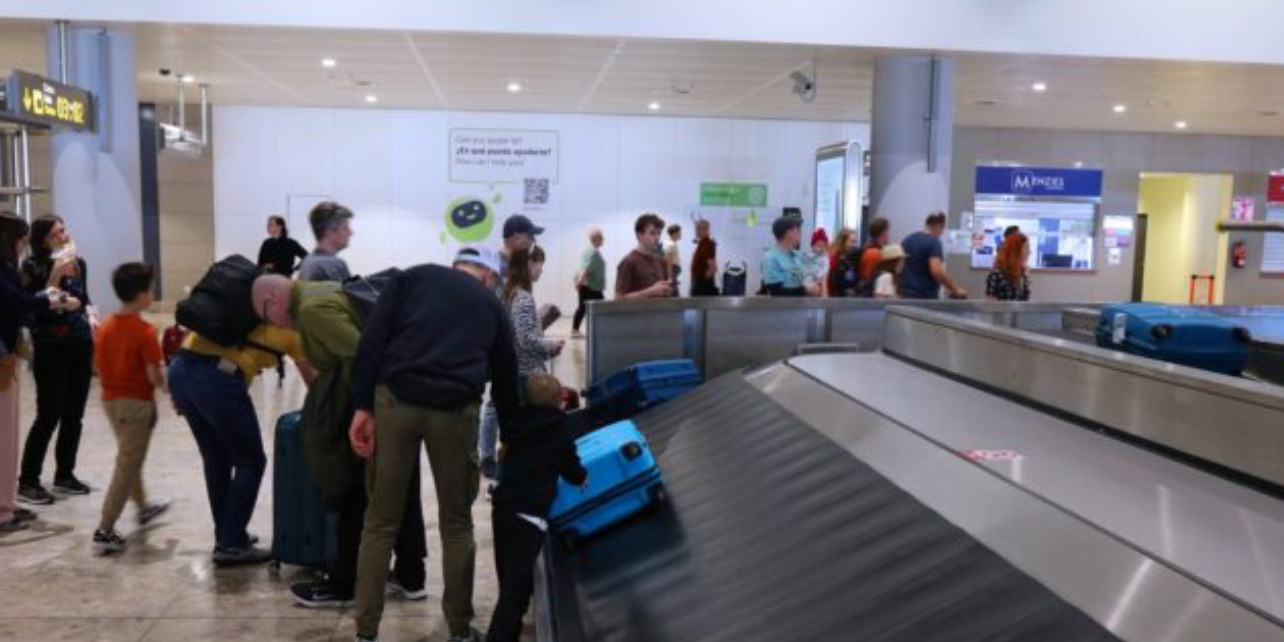
British travellers heading to Spain are being urged to allow extra time at arrival as the EU Entry/Exit System delays roll-out begins, potentially adding hours to passport control at major airports.
From Sunday, Madrid-Barajas Airport became the first Spanish hub to activate the European Union’s new Entry/Exit System (EES). As part of this push, non-EU nationals—including UK citizens—will now have to register their passport details, facial image and fingerprints each time they enter or leave the Schengen Area. The aim is to strengthen border security and track stays more precisely.
Why Are Delays Expected?
Airlines and airport officials are already warning that processing times could increase from around 30 seconds per passenger to three–five minutes—or even longer during peak periods. That could mean queues stretching into hours for holiday flights full of British tourists. Spain’s Ministry of the Interior has confirmed that while the National Police retain control of border checks and the Civil Guard handles customs, the technology investment has amounted to about €83 million so far and the rollout to full capacity extends until April 2026.
Where and When It’s Happening in Spain
After Madrid-Barajas, the system will be deployed at other key Spanish airports often frequented by UK visitors, including Barcelona-El Prat, Palma de Mallorca, Málaga-Costa del Sol and the Canary Islands. Children under 12 are exempt from biometric fingerprint registration; for most adults, both fingerprint and facial scans will be needed. Visa-holders may only need photo and passport details.
What Travellers Should Do
If you’re flying to Spain soon and are a non-EU national:
•Arrive at the airport with extra time allowance—possibly several hours at peak arrivals.
•Be aware you’ll undergo biometric registration, so ensure you have your passport ready and any required travel documentation.
•Monitor updates from your airline and check whether your destination airport is already implementing the EES.
•If travelling with children under 12, note they may be exempt from fingerprinting—but the process may still take longer.
Why the EU Introduced the EES
The Entry/Exit System is part of the EU’s broader migration and border-management strategy. It replaces manual passport stamping with an electronic system, registering name, date of birth, facial image, fingerprints and entry/exit times for third-country nationals. The official rollout began on 12 October 2025, and full implementation across all Schengen external borders is expected by 10 April 2026.
Why UK Travellers Are Specifically Affected
Following Brexit, UK passport-holders are now treated as third-country nationals when entering the Schengen Area. That means British travellers will fall under the new EES rules, whereas previously such biometric registrations were not always required.
