
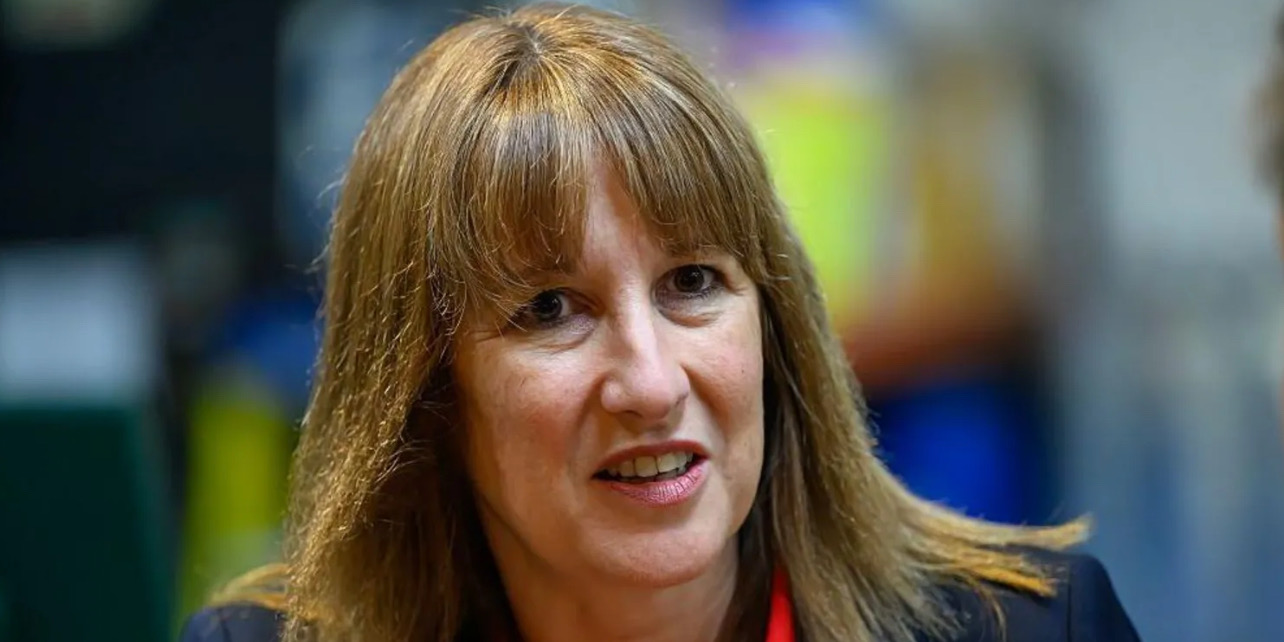
In her address to global finance ministers and central bankers at the International Monetary Fund (IMF) annual meetings, UK Chancellor Rachel Reeves emphasised the “Brexit economic cost UK” by arguing that the 2020 Brexit deal negotiated under the Conservatives had inflicted long-term damage on the British economy. She told the gathering that the UK’s productivity challenge “has been compounded by the way in which the UK left the European Union.” Drawing on figures published by the Office for Budget Responsibility (OBR), she cited a 4 per cent long-term output hit compared with a scenario of remaining in the EU.
The Chancellor’s remarks mark a significant shift in tone. Labour ministers had previously shied away from major commentary about the economic downsides of Brexit, but since the party’s conference last month they have grown markedly more strident in putting it at the heart of their narrative. By raising the issue in one of the highest-level global economic policy fora — where the G7, EU, China, India and the European Central Bank are represented — the government is signalling that the Brexit economic cost UK is becoming a central plank of the forthcoming Budget debate.
Setting the scene for the November Budget
Reeves’ comments come ahead of the UK government’s autumn Budget on 26 November, where she is expected to make the case for further tax rises and spending adjustments — in part by attributing a portion of the fiscal shortfall to weakened productivity following Brexit. The OBR will publish updated economic forecasts ahead of the Budget and is widely expected to downgrade UK productivity growth, which will widen the gap and reinforce the Chancellor’s framing of Brexit economic cost UK.
Mixed economic picture and legacy issues
While services-trade has remained relatively robust and global trade deals are being pursued, external economists point to a fall in business investment amid post-referendum uncertainty, as well as under-performance in goods trade. Campaigners and analysts highlight that the 2020 deal did not fully restore frictionless access with the EU single market, thereby reinforcing the productivity drag. In its commentary, the OBR estimates a roughly 4 per cent hit to long-term output compared with remaining in the EU.
Policy implications and next moves
The Chancellor said that the UK “acknowledges this” legacy in pursuing stronger trade ties and reviewing regulatory hurdles — a recognition that the Brexit economic cost UK is not just retrospective but must now be addressed via new trade and investment strategy. Domestically, it sets the scene for the Budget’s fiscal tightrope: raising revenue while maintaining a message of growth and competitiveness. The IMF itself has warned that the UK’s limited fiscal headroom means managing the fallout from weak productivity is central to avoiding further economic stress.
Britain’s productivity puzzle
Britain has grappled for years with a productivity shortfall compared with peers. That gap has been exacerbated by the pandemic, structural shifts in the economy, and now by Brexit-related trade and regulatory frictions. The OBR’s estimation of a 4 per cent long-term hit adds a numeric anchor to what many economists have termed a “slow puncture” in growth. With the government set to renegotiate aspects of UK–EU trade — including scrapping many post-Brexit checks on food and farm goods — the Chancellor’s remarks reflect an effort to link the Brexit economic cost UK directly to forthcoming policy action.
What this means for businesses and households
For UK businesses, the renewed emphasis on Brexit economic cost UK signals that government policy may increasingly focus on trade-deal leverage, regulatory alignment and investment incentives to make up lost ground. For households, the Chancellor’s framing sets the context for tax rises and spending cuts, with the case that weaker productivity limits the scope for government to maintain previous fiscal commitments without change.
Outlook
With the Budget less than six weeks away, the Brexit economic cost UK narrative is likely to dominate the debate not just in Westminster but in boardrooms and markets. How the Chancellor links this legacy to specific policy choices — trade, investment, tax, spending — will be key in shaping both the economic outlook and electoral positioning.