
The government has confirmed it will bring forward legislation to permanently ban fracking in the UK, in a direct challenge to Reform UK’s promise to revive the controversial practice.
Energy Secretary Ed Miliband announced that the ban would be included in the upcoming North Sea transition plan, due for publication this autumn. By legislating, Labour aims to make it significantly harder for any future government to reverse the decision without a full parliamentary vote.
Miliband told the Labour Party conference that campaigners would be sent to nearly 200 constituencies affected by shale gas extraction in order to, as he put it, “send the frackers packing”.
A permanent ban on fracking was a central pledge in Labour’s election manifesto, reaffirmed by Miliband earlier this year. Wednesday’s announcement detailed the legal mechanism the government will use to deliver on that promise. He said the legislation would ensure protection for the 187 constituencies located above shale gas reserves.
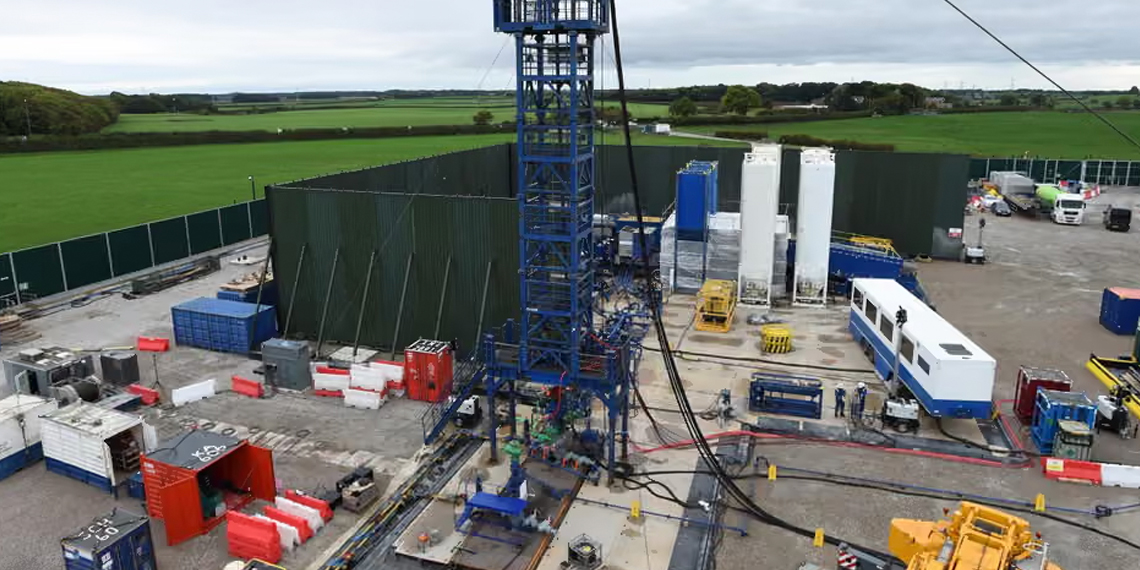
Fracking, which involves drilling deep underground and injecting a mix of sand, water and chemicals at high pressure to release shale gas, has been under a moratorium in the UK due to environmental and safety concerns. The last attempt, at Preston New Road in Lancashire, triggered almost 200 earthquakes in less than a year.
Reform UK has argued that fracking could help reduce household bills, with leader Nigel Farage and deputy Richard Tice both backing its return. However, experts have consistently dismissed these claims. Even within Reform, the policy has sparked divisions, with Lancashire council – controlled by the party – refusing to support local drilling.
The issue has a fraught political history. The Liz Truss government was plunged into chaos in 2022 when a vote on fracking, forced by Miliband in his role as shadow energy secretary, led to a major Conservative rebellion and contributed to her downfall.
Supporters of fracking often point to its success in the United States, but geologists warn that Britain’s high population density and complex geology make the risks of earthquakes and disruption far greater, while the gas reserves are harder to extract.
The government has confirmed it will bring forward legislation to permanently ban fracking in the UK, in a direct challenge to Reform UK’s promise to revive the controversial practice.
Energy Secretary Ed Miliband announced that the ban would be included in the upcoming North Sea transition plan, due for publication this autumn. By legislating, Labour aims to make it significantly harder for any future government to reverse the decision without a full parliamentary vote.
Miliband told the Labour Party conference that campaigners would be sent to nearly 200 constituencies affected by shale gas extraction in order to, as he put it, “send the frackers packing”.
A permanent ban on fracking was a central pledge in Labour’s election manifesto, reaffirmed by Miliband earlier this year. Wednesday’s announcement detailed the legal mechanism the government will use to deliver on that promise. He said the legislation would ensure protection for the 187 constituencies located above shale gas reserves.
Fracking, which involves drilling deep underground and injecting a mix of sand, water and chemicals at high pressure to release shale gas, has been under a moratorium in the UK due to environmental and safety concerns. The last attempt, at Preston New Road in Lancashire, triggered almost 200 earthquakes in less than a year.
Reform UK has argued that fracking could help reduce household bills, with leader Nigel Farage and deputy Richard Tice both backing its return. However, experts have consistently dismissed these claims. Even within Reform, the policy has sparked divisions, with Lancashire council – controlled by the party – refusing to support local drilling.
The issue has a fraught political history. The Liz Truss government was plunged into chaos in 2022 when a vote on fracking, forced by Miliband in his role as shadow energy secretary, led to a major Conservative rebellion and contributed to her downfall.
Supporters of fracking often point to its success in the United States, but geologists warn that Britain’s high population density and complex geology make the risks of earthquakes and disruption far greater, while the gas reserves are harder to extract.