
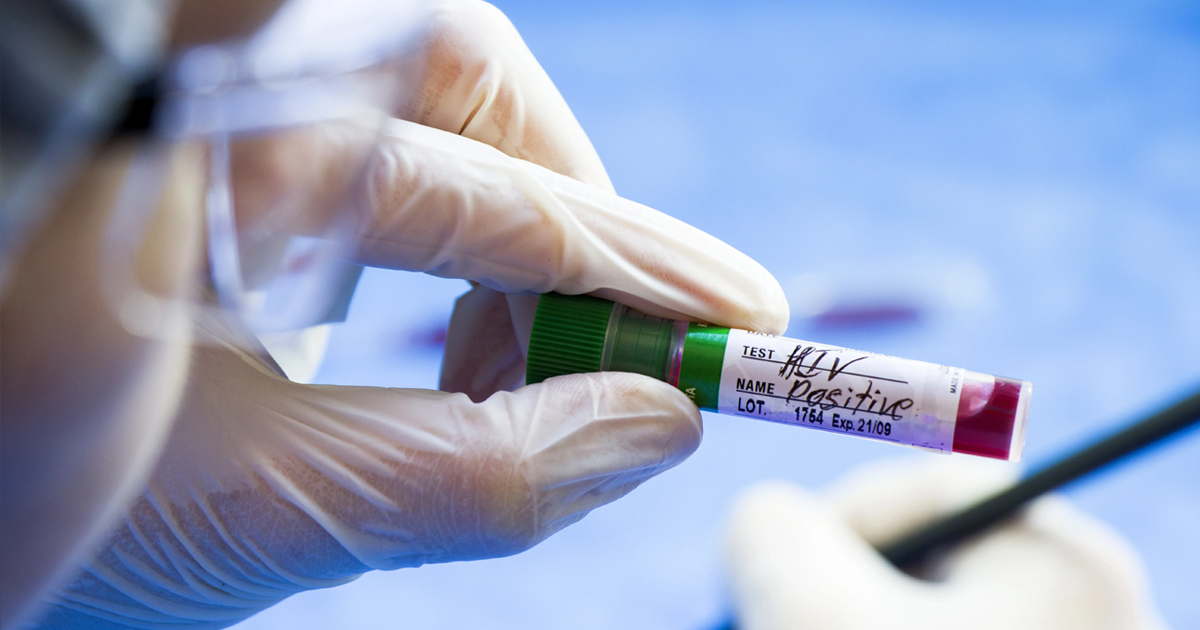
New HIV diagnoses across the United Kingdom have fallen by 4% between 2023 and 2024, in what health officials are calling encouraging progress in the fight against HIV transmission.
According to the latest data from the UK Health Security Agency (UKHSA), new HIV cases decreased from 3,169 in 2023 to 3,043 in 2024. The agency praised England’s continued success in prevention, treatment and care, highlighting that 95% of adults living with HIV are diagnosed, 99% of those diagnosed are receiving treatment, and 98% of people on treatment have suppressed viral loads.
Deaths among people living with HIV also dropped significantly, falling by 14% from 751 to 643 during the same period.
Despite these improvements, the UKHSA warned that inequalities in testing and treatment persist. HIV testing rates declined by 7% among young people aged 15 to 24, even as testing increased across all other age groups. This younger age group also had the lowest treatment rate at 96% and the lowest rate of viral suppression at 91%, meaning they are more likely to transmit the virus through sex.
Overall, testing in sexual health services increased by 3%, while contact tracing remained highly effective, according to the report. However, access to pre-exposure prophylaxis (PrEP) — a medication that prevents HIV infection — continues to vary significantly across demographic groups.
Uptake of PrEP was highest among white (79.4%) and ethnic minority (77.8%) men who have sex with men. In contrast, uptake among Black African heterosexual women stood at just 34.6%, and 36.4% among Black African heterosexual men.
Regional differences were also observed, with HIV diagnoses declining in London but rising outside the capital, particularly among heterosexual men. The report further revealed that half of Black African heterosexuals were diagnosed late, compared with less than a third of gay and bisexual men.
Overall, 42% of new HIV cases in England were classified as late diagnoses. Adults diagnosed late are ten times more likely to die within a year compared to those diagnosed early, the UKHSA said.
Dr Tamara Djuretic, Head of HIV at UKHSA, said it was “excellent” to see overall HIV diagnoses decline and high levels of viral suppression among those on treatment.
“However, we’re concerned about poorer testing and treatment outcomes among young people, who are at a crucial stage for establishing healthy sexual behaviours,” she said.
Dr Djuretic emphasised the importance of early diagnosis, urging sexually active individuals to get tested regularly. She added that HIV treatment is highly effective and enables those diagnosed to live “a long, healthy life” with the right care.
HIV tests and PrEP are available free and confidentially through the NHS and local sexual health services. The Department of Health and Social Care (DHSC), in collaboration with UKHSA, NHS England and partner organisations, is developing a new HIV Action Plan expected to be published later this year.
