
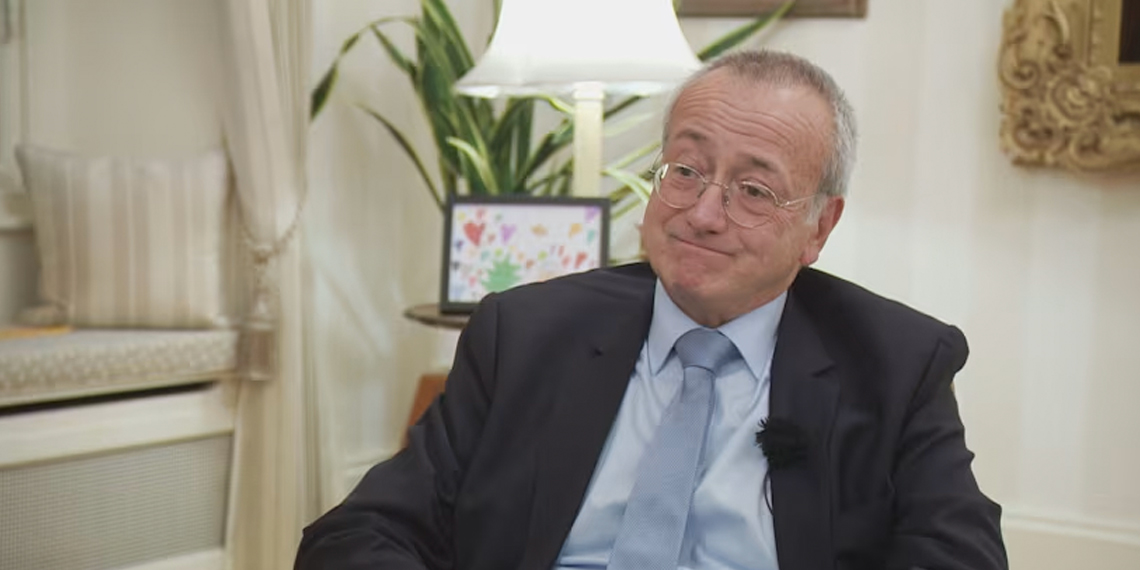
The European Union’s Ambassador to the United Kingdom has suggested that a new trade deal aimed at easing export restrictions for British businesses could be finalised as early as 2026.
During his first official visit to the Channel Islands, Ambassador Pedro Serrano said that “a year would be a reasonable amount of time” to complete negotiations on a new sanitary and phytosanitary (SPS) agreement between London and Brussels.
According to the UK Government, the agreement would remove most routine border checks on food and agricultural products traded between the UK and the EU, streamlining trade processes and potentially generating up to £5.1 billion in additional revenue for British companies.
At present, goods such as dairy, fish, eggs, and red meat are subject to 100% documentary checks and up to 30% physical inspections upon entering the EU. These requirements would be largely scrapped under the proposed SPS framework.
Ambassador Serrano noted: “The British negotiator is talking about [an agreement in] 2027, while our commissioner referred to a year’s time. To finish the deal in a year, it will take goodwill on all sides, which I believe there is, and a readiness to address all problems that may appear.”
He added that it would ultimately fall to Channel Islands authorities to decide how the agreement would be implemented locally, depending on their specific ties with both the UK and the EU.
The push for a new SPS deal follows mounting frustrations among Channel Islands fishermen who have suffered losses due to post-Brexit customs delays at French ports.
In one notable incident, a Jersey fisherman had his oyster shipment turned away at St Malo Port after French officials identified a typo on the labelling. The error reportedly cost the business nearly £10,000, and the buyer later cancelled the remainder of an 80-tonne order.
Ambassador Serrano described such episodes as “isolated cases” and emphasised that they were not connected to broader post-Brexit fishing arrangements.
If completed, the new SPS deal could mark a major step toward rebuilding smoother trade relations between the UK and the EU, particularly benefiting small exporters and the food sector across Britain.
