
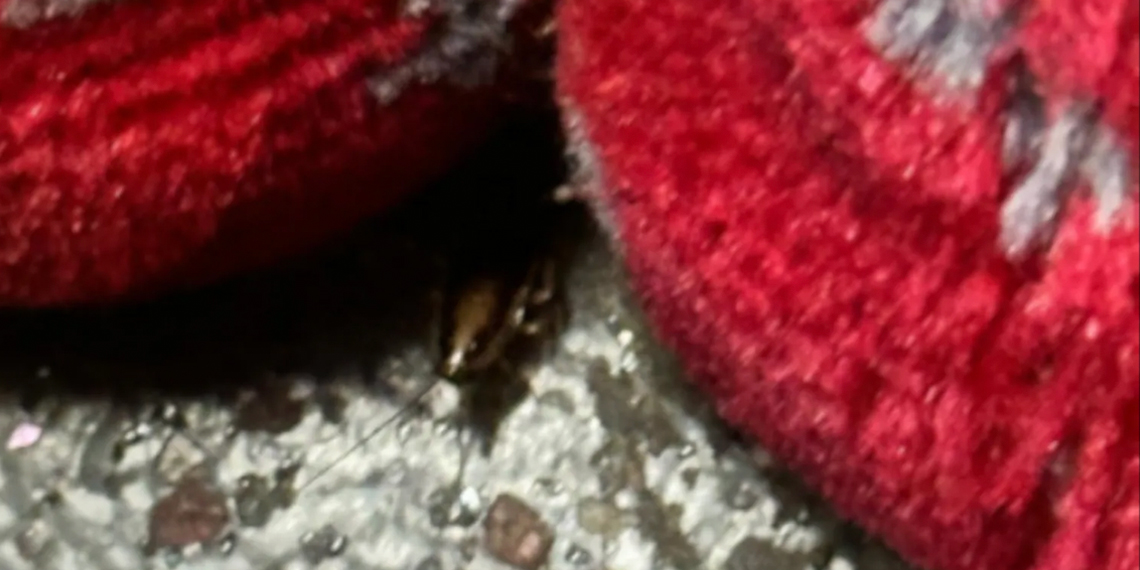
London buses infested with cockroaches is the alarming claim from multiple bus drivers who say the insect problem is widespread across vehicles and rest areas—and urgent intervention is needed.
Drivers report seeing cockroaches on buses, inside driver rest facilities, and even crawling over food containers during breaks. One video, recorded on 8 October, shows a cockroach in a driver’s food box in a rest area, sparking outrage and concern over health and hygiene standards. Campaigners have now formally demanded that Transport for London (TfL) and bus operators act swiftly to eradicate the infestation.
Widespread Complaints, Unhygienic Conditions
Several drivers have submitted photographic and video evidence of cockroach sightings—not just as occasional pests, but as persistent infestations. The London Bus Forums group said the problem goes beyond isolated incidents and reflects systemic failure in maintaining sanitary conditions for drivers and the public.
Kevin Mustafa, a London bus safety campaigner, says the situation is “untenable,” especially given already stressful working conditions for drivers. He calls for “swift, transparent and decisive action” to restore confidence in London’s bus services.
Demands for Deep Cleaning & Pest Control
Campaigners and drivers are pushing for more frequent and thorough cleaning regimes, including:
• Insecticidal treatments
• Heat treatments
• Improved vacuuming
• Sealed barriers around known hotspots
• Enhanced pest-control protocols at depots and rest facilities
Drivers additionally plan to march on 5 November to press for safer conditions and adoption of a “Bus Drivers Bill of Rights” that guarantees better welfare and support.
Scale of the London Bus Network
Each day, London sees around five million bus journeys, across 675 routes and over 8,700 buses—mostly operated by private companies under contract with TfL. The vast scale of the network raises concerns about how pervasive the infestation may be if cleaning and maintenance standards aren’t upheld.
TfL Response & Investigation
A TfL spokesperson acknowledged the complaints, stating that such pest sightings are “rare” and that all buses are cleaned nightly before entering service. Welfare facilities used by staff are cleaned multiple times per day. TfL says it is treating the matter seriously: buses may be taken out of service, undergo inspections, deep cleaning, or specialist treatment as needed.
TfL also affirmed that employees raising concerns about hygiene, safety or welfare would not face reprisals, and drivers are encouraged to report issues to their union or employers.
While TfL contends that these reports are exceptional, drivers and campaigners argue the incidents reflect deeper maintenance issues. In previous years, complaints have surfaced about rodents, mold, and grime in depots and staff areas, pointing to a long-standing tension between operational costs and upkeep. The current convergence of multiple cockroach claims may mark a turning point—if effective action is not taken, public confidence in London’s bus hygiene standards could suffer.