
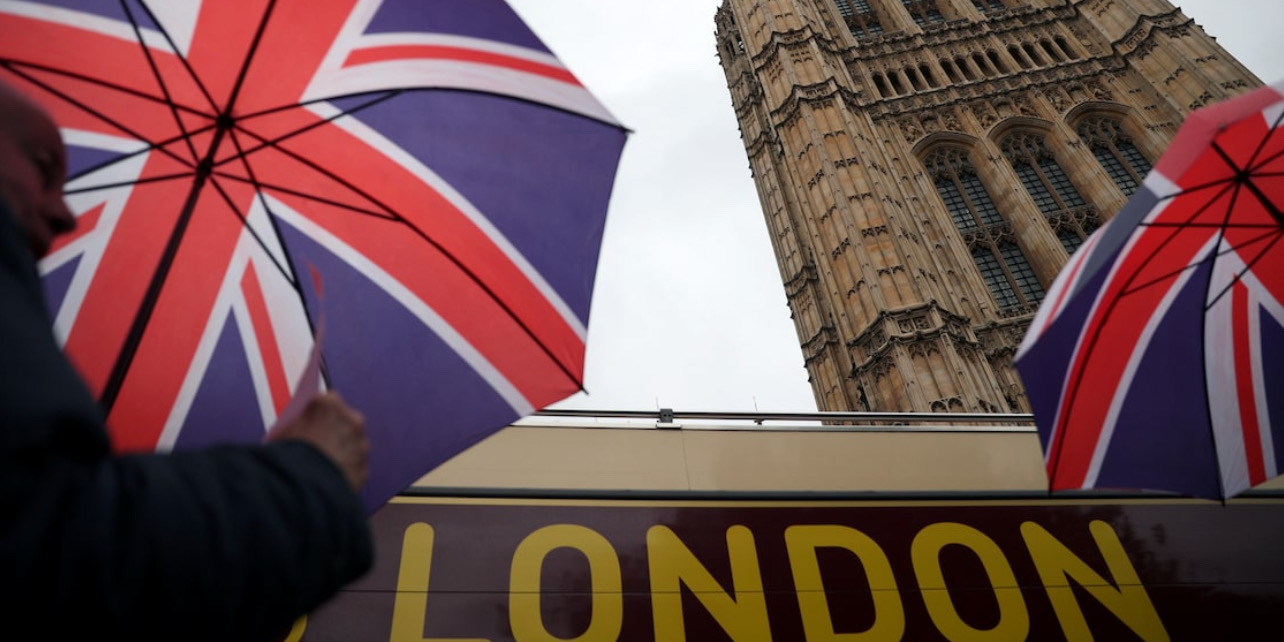
The British government is reportedly planning to halve the cash ISA limit in the upcoming November budget, according to a report by The Telegraph. The move is part of a wider strategy to rebalance tax incentives and encourage more investment in shares and UK-listed companies.
At present, individuals in the UK can save up to £20,000 annually in Individual Savings Accounts (ISAs), which allow tax-free earnings on interest, dividends, and capital gains. However, under the new proposal, that amount could be cut to as low as £10,000 for cash ISAs, requiring savers to invest in stocks or funds to access the full tax-free benefits.
Government Aims to Encourage Investment and Boost London Listings
Sources quoted by The Telegraph said the government, led by the Labour Party, believes the current system overly favors cash savings, which do little to stimulate economic growth or corporate investment. Financial Services Minister Lucy Rigby said the aim is to “find the right balance between cash and shares in the ISA” and to “build a shareholding democracy in this country.”
The policy shift aligns with Labour’s previously stated goal of promoting wider share ownership and strengthening London’s position as a global financial center. In March, the government said it was exploring ways to encourage individuals to invest directly in UK-listed firms, which have faced challenges amid rising interest rates and global competition from New York and other markets.
Financial Experts and Lawmakers Warn Against Cash ISA Cuts
The proposed ISA reform, however, has already drawn criticism from lawmakers and financial experts. A new report from Parliament’s Treasury Committee urged the government not to reduce the cash ISA limit, warning that the change would not significantly increase share ownership but could negatively impact mortgage supply.
Building societies, which use cash ISAs to raise funds for home loans, could face reduced liquidity if savers shift away from cash products. “Limiting the cash ISA allowance could have unintended consequences for the housing market,” the committee said, emphasizing that a lack of financial literacy—not tax breaks—is the main reason Britons are reluctant to invest in shares outside of workplace pension schemes.
Impact on Savers and the Financial Market
According to official data, around one-third of Britons currently hold an ISA, collectively saving over £726 billion. Most of these accounts are used for cash savings, with few investors making full use of the £20,000 annual allowance.
If implemented, the reform could push savers toward riskier investments, potentially benefiting the UK stock market but reducing security for conservative investors. Analysts suggest that halving the cash ISA limit to £10,000—or a slightly higher figure—remains the most likely scenario to appear in the upcoming autumn budget.
The Treasury is expected to finalize the details in the coming weeks, with official confirmation likely when Chancellor Rachel Reeves delivers the budget statement in late November.
