
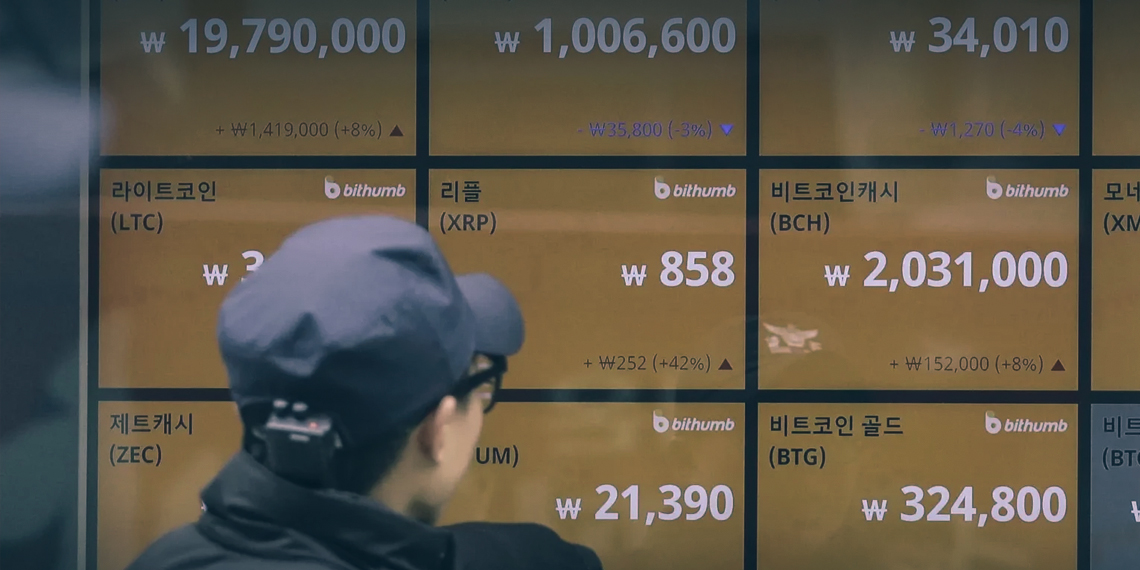
The UK’s push for greater cryptocurrency transparency has gained momentum as South Korea became the latest country to adopt the Crypto-Asset Reporting Framework (CARF), an OECD-developed global standard to track and share crypto transactions. The UK, alongside Germany and Japan, is already preparing to implement the framework, which is designed to combat offshore tax evasion and curb illicit digital asset activity.
South Korea’s Ministry of Economy and Finance confirmed it has finalized the agreement to implement CARF, with a formal administrative notice expected in September. Under the framework, both domestic and foreign crypto transactions will be logged and shared automatically with the National Tax Service and global partners.
The new system will begin phasing in next year, with full cross-border data sharing planned for 2027. Similar commitments from the UK and other major economies highlight a coordinated international effort to regulate the fast-moving digital asset sector.
Impact on Exchanges and Investors
For South Korean crypto exchanges, the agreement means tighter compliance obligations, requiring them to report user and transaction data internationally. Analysts warn that some investors who prioritize anonymity may be discouraged, but regulators argue that greater oversight is necessary to address financial crime and restore trust in digital markets.
Balancing Regulation with Growth
While stricter reporting rules may look restrictive, both the UK and South Korea are working to strengthen their domestic digital asset industries. London remains a leading global fintech hub, while Seoul has ambitions to establish itself as Asia’s crypto capital. South Korea is pursuing stablecoin adoption, planning a national digital currency, and exploring spot crypto ETFs — mirroring moves already underway in the US.
By joining the UK and other OECD members in CARF, South Korea underscores how international cooperation will define the next era of cryptocurrency regulation, balancing innovation with accountability.
